
Top 10 Foods That Will Make Your Guinea Pig Go Wild
Welcome to the wonderful world of guinea pig care! These adorable little creatures have specific dietary needs that must be met to ensure their health and happiness. A balanced diet is crucial for guinea pigs as they require a variety of nutrients to thrive. The foundation of a guinea pig’s diet should consist of high-quality hay, fresh water, and a limited amount of pellets designed specifically for them. Additionally, it’s essential to incorporate fresh vegetables and fruits into their meals to provide essential vitamins and minerals.
In this article, we’ll explore the top 10 foods that will make your guinea pig go wild. We’ll discuss why these foods are beneficial, how much you should give, and how often to offer them. By following these guidelines, you’ll be able to keep your guinea pig healthy and happy while giving them a delightful treat experience.
1. Romaine Lettuce
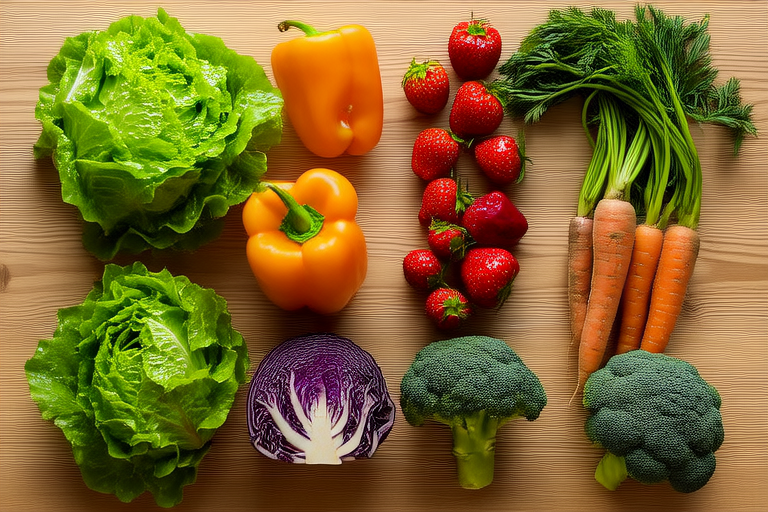
Romaine lettuce is a favorite among guinea pigs due to its crisp texture and mild flavor. It’s rich in vitamin A, which is vital for maintaining good vision and healthy skin. This leafy green also provides fiber, helping to support digestive health. You can serve romaine lettuce by tearing it into small pieces, ensuring easy consumption for your furry friend. Offer approximately one tablespoon per day, but be cautious not to overfeed, as too much can lead to diarrhea.
2. Carrot Sticks
Carrot sticks are a sweet and crunchy treat that guinea pigs adore. They’re packed with beta-carotene, which converts to vitamin A in the body, promoting eye health. However, carrots are high in sugar, so moderation is key. Provide no more than one teaspoon of carrot sticks every other day to avoid causing gastrointestinal issues.
3. Bell Peppers
Bell peppers come in various colors, each offering different nutritional benefits. Red, yellow, and orange bell peppers are especially rich in vitamin C, which is crucial for guinea pigs since they cannot produce this vitamin themselves. Green bell peppers also contain vitamin C but in lower amounts. Slice the bell peppers into small strips and offer about half a teaspoon every few days. Be sure to wash them thoroughly before serving to remove any pesticides.
4. Dandelion Greens
Dandelion greens are a nutritious addition to your guinea pig’s diet, providing vitamins A, C, and K. These greens also contain calcium, which supports bone health. Fresh dandelion greens can be found in many gardens, but always ensure they haven’t been treated with chemicals. Offer one teaspoon of dandelion greens twice a week. Overconsumption might lead to bladder stones, so monitor the quantity carefully.
5. Parsley
Parsley is another excellent source of vitamin C and can be used as a garnish or mixed into your guinea pig’s regular food. It also contains antioxidants and iron, contributing to overall health. Sprinkle a pinch of parsley over their meal once a week. Excessive consumption may cause stomach upset, so limit the portions.
6. Apples
Apples are a sweet and juicy treat that most guinea pigs love. They contain vitamin C and fiber, promoting healthy digestion. Peel the apple before serving to remove any pesticides or waxes. Offer a small slice of apple (about half an inch square) once a week. Remember to remove seeds and core, as they can be harmful.
7. Celery
Celery adds a crunchy element to your guinea pig’s diet, offering hydration and vitamins A, C, and K. It’s also low in calories, making it a great snack option. Chop celery into small pieces and give about one teaspoon every other day. Be mindful of the stringy parts, which can pose a choking hazard.
8. Broccoli
Broccoli is highly nutritious, containing vitamins A, C, and K, as well as calcium and fiber. It’s important to introduce broccoli gradually and in small quantities because some guinea pigs may develop gas if they eat too much at once. Start with a tiny piece (about the size of a fingernail) and increase slowly if tolerated. Offer once a week.
9. Cucumber
Cucumbers are refreshing and hydrating, perfect for hot summer days. They’re low in calories and provide vitamins K and C. Slice cucumbers thinly and give about one teaspoon every few days. Ensure the cucumber is free from pesticides and has been washed thoroughly.
10. Kale
Kale is packed with nutrients, including vitamins A, C, and K, as well as calcium. However, due to its high calcium content, it should be given sparingly. Offer a small leaf (about the size of your thumb) once a week. Monitor your guinea pig’s urine for any signs of bladder stones, which can be caused by excessive calcium intake.
Tips for Feeding Treats
When feeding treats, remember to keep portion sizes small and frequency limited. Treats should not exceed 10% of your guinea pig’s daily diet. Always introduce new foods gradually to allow your pet’s digestive system time to adjust. Watch for any adverse reactions, such as diarrhea or lethargy, and discontinue if observed.
Introducing New Foods
Introducing new foods to your guinea pig requires patience and careful observation. Begin by offering a small amount of the new food, perhaps just a few bites, and monitor your pet closely for the next 24 hours. Look for signs of discomfort, such as bloating, diarrhea, or decreased appetite. If everything seems fine, you can gradually increase the portion size over several days.
If your guinea pig shows any negative reactions, stop feeding the new food immediately and consult your veterinarian. It’s also wise to maintain a record of what foods your guinea pig enjoys and any potential allergies or sensitivities they may have. This information can be invaluable for future dietary decisions.
By following these guidelines and incorporating the top 10 foods mentioned above, you’ll be providing your guinea pig with a balanced and exciting diet that keeps them healthy and happy. Remember, a happy guinea pig is a playful and energetic one, ready to enjoy life to the fullest!