
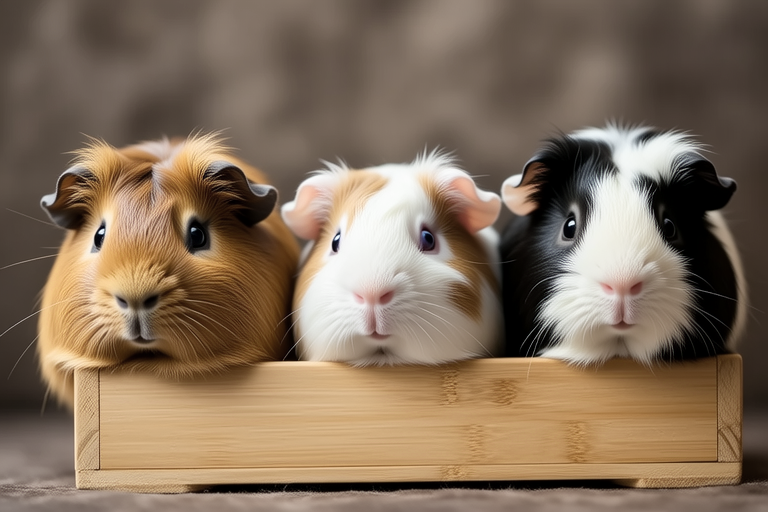
Adorable Guinea Pigs: The Ultimate Guide to Selecting the Perfect Pet
Guinea pigs have long been cherished as delightful and charming pets. Their gentle demeanor, endearing squeaks, and playful nature make them popular among both children and adults. These small rodents are easy to care for, making them ideal for families and individuals seeking a low-maintenance yet affectionate companion. In this comprehensive guide, we will explore everything you need to know about selecting, caring for, and enjoying your new guinea pig friend.
Understanding Basic Needs
Before bringing a guinea pig into your home, it’s crucial to understand their basic needs. Proper nutrition, adequate living space, and regular exercise are essential for ensuring a happy and healthy pet.
Diet
A balanced diet is vital for guinea pigs. They require a steady supply of hay, fresh vegetables, and pellets specifically formulated for guinea pigs. Vitamin C is particularly important, as guinea pigs cannot produce it themselves. Fresh fruits can be given occasionally but should not replace their primary food sources.
Space Requirements
Guinea pigs need ample space to move around comfortably. A cage that is at least 7.5 square feet is recommended for two guinea pigs, allowing them enough room to play, rest, and explore. The cage should include bedding material like shredded paper or wood shavings, along with hiding spots and toys.
Exercise
Regular exercise is necessary for keeping guinea pigs fit and active. Providing a safe area outside the cage where they can run and play is highly beneficial. This could be a designated area in your home or a secure outdoor enclosure.
Exploring Different Breeds
There are several guinea pig breeds, each with unique characteristics. Understanding these differences can help you select the perfect pet based on your preferences and lifestyle.
- American Short Hair: Known for their short, smooth coats and robust bodies, American Short Hairs are one of the most common breeds. They come in various colors and patterns.
- Abyssinian: Abyssinians are recognized by their rough, rosette-patterned coats. They are more energetic and require more attention compared to other breeds.
- Rex: Rex guinea pigs have soft, curly fur and are known for their docile temperaments. They are easy to handle and maintain.
- Tancredi: A relatively new breed, Tancredis are medium-sized with distinctive markings. They are known for their intelligence and playful nature.
Selecting a Healthy Guinea Pig
Choosing a healthy guinea pig is crucial for a positive pet ownership experience. Here are some tips to help you select a healthy pet from a reputable breeder or shelter:
- Check for clear eyes and ears, clean fur, and no signs of discharge.
- Ensure the guinea pig is alert and responsive, showing interest in its surroundings.
- Look for even weight distribution and no signs of lethargy or weakness.
- Ask about the guinea pig’s lineage and any potential hereditary health issues.
- Choose a reputable breeder who prioritizes the health and well-being of their animals.
The Importance of Social Interaction
Guinea pigs are social animals that thrive on interaction. They enjoy the company of humans and other guinea pigs. Introducing a second guinea pig can provide companionship and reduce stress. However, it’s important to introduce them gradually to ensure compatibility. Males should be neutered before introduction to prevent aggression.
Integrating Your New Guinea Pig Into the Family
Bringing a new guinea pig into your home requires patience and gradual integration. Start by setting up the cage in a quiet area of your home, away from high traffic zones. Gradually introduce your guinea pig to family members, ensuring each person handles the pet gently and respectfully. Allow your guinea pig time to adjust to its new environment before introducing other pets.
Common Health Issues
Despite proper care, guinea pigs may encounter certain health issues. Being aware of these can help you address problems early and seek professional veterinary assistance when needed.
- Overgrown Teeth: Regular dental check-ups are necessary as guinea pigs’ teeth continuously grow. Signs of overgrowth include drooling, difficulty eating, and weight loss.
- Skin Problems: Skin irritations can occur due to allergies, mites, or poor hygiene. Regular grooming and maintaining cleanliness can prevent these issues.
- Gastrointestinal Stasis: This condition occurs when the digestive system slows down or stops functioning properly. It can be caused by dietary changes, stress, or lack of exercise. Ensuring a consistent diet and providing opportunities for physical activity can help prevent gastrointestinal stasis.
By following the guidelines outlined in this guide, you can ensure your guinea pig leads a happy and healthy life. Whether you’re a first-time pet owner or an experienced caregiver, taking the time to understand and meet your guinea pig’s needs will foster a strong bond between you and your furry friend.