
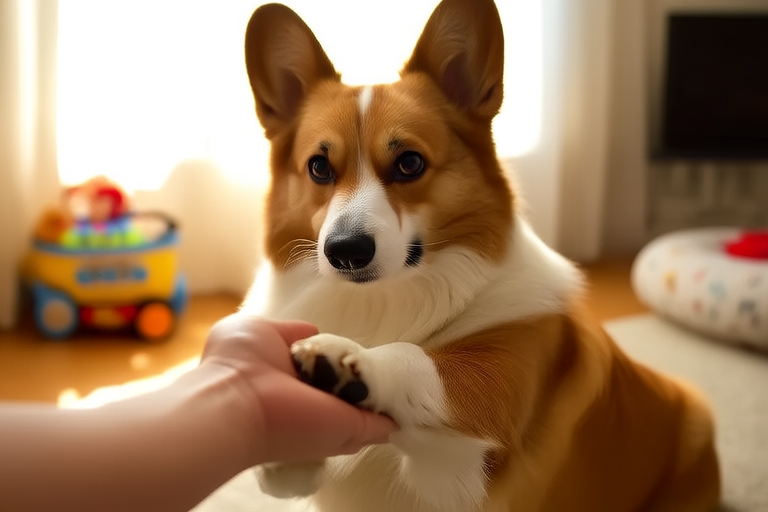
5 Adorable Tricks Every Corgi Parent Should Teach Their Pup
Welcome to the world of corgi training! These lovable, energetic, and intelligent dogs are eager to learn new tricks. Teaching your corgi some basic and fun tricks can strengthen your bond, stimulate their minds, and provide you both with enjoyable moments. This article will guide you through five adorable tricks every corgi parent should teach their pup, complete with step-by-step instructions, tips for effective training methods, and strategies for overcoming common challenges.
1. High Five
The high five is a classic trick that’s both simple and fun. It’s an excellent way to engage your corgi and show off their skills. Here’s how to teach it:
- Start with a treat: Hold a treat in your hand, just above your corgi’s head. Encourage them to touch it with their paw.
- Praise and reward: As soon as they place their paw on your hand, say “good” or “yes” and give them the treat. Repeat this several times so they associate touching your hand with a reward.
- Add the command: Once they’ve mastered the paw touch, introduce the verbal cue “high five.” Say it clearly before offering the treat, allowing your dog to connect the word with the action.
- Practice consistency: Continue practicing until your corgi responds to the command without needing a treat. Gradually reduce the frequency of treats, replacing them with praise and petting.
Tips for Effective Training: Use small, tasty treats like cheese or chicken bits. Keep sessions short (5-10 minutes) and frequent throughout the day. Patience is key; some corgis may take longer to grasp the concept.
2. Spin
The spin is another crowd-pleasing trick that showcases your corgi’s agility. Follow these steps to teach your corgi to spin:
- Use a lure: Hold a treat close to your corgi’s nose and move it in a circle around their head. As they follow the treat, they’ll naturally turn in a circle.
- Mark the behavior: As your corgi completes the circle, say “spin” and give them the treat. This helps them associate the word with the action.
- Repeat and refine: Practice this several times a day, gradually moving the treat further away from their nose and closer to their body. Eventually, you’ll be able to perform the spin without the lure.
- Consistency is crucial: Always use the same command and ensure everyone in the household uses it consistently.
Tips for Effective Training: Be patient and encourage your corgi with gentle guidance. If they seem hesitant, try breaking down the movement into smaller parts. Reward them frequently to keep them motivated.
3. Roll Over
The roll over trick is a bit more challenging but incredibly rewarding when achieved. Here’s how to teach it:
- Begin with a down: Ensure your corgi is comfortable lying down. Place a treat near their nose and slowly move it towards their shoulder, encouraging them to roll onto their side.
- Guide them through: As they roll onto their side, continue guiding them with the treat to their back. Once they’re fully rolled over, reward them with the treat and praise.
- Introduce the command: Once your corgi has successfully rolled over, start saying “roll over” just before initiating the movement. Over time, they’ll begin to respond to the command alone.
- Practice and reinforce: Like any other trick, repetition is key. Continue practicing until your corgi can perform the trick smoothly and confidently.
Tips for Effective Training: Use treats and gentle encouragement to make the process enjoyable. If your corgi struggles, break the trick down into smaller steps and focus on mastering each part before moving on.
4. Shake Hands
The shake hands trick is a charming party trick that shows off your corgi’s social skills. Here’s how to teach it:
- Start with a sit: Have your corgi sit comfortably. Hold a treat in one hand and extend it towards their paw.
- Encourage the paw: Gently tap your corgi’s paw with your free hand, prompting them to lift it. As soon as they do, say “shake” and give them the treat.
- Practice the command: Once your corgi understands the connection between lifting their paw and receiving a treat, start saying “shake” before extending your hand. Repeat this until they respond to the command alone.
- Refine the trick: Gradually phase out the treats, rewarding with praise and petting instead. Practice regularly to maintain their skills.
Tips for Effective Training: Be consistent with your commands and rewards. Some corgis may be shy about lifting their paws; in such cases, use a favorite toy or treat to encourage them. Always keep training sessions positive and fun.
5. Play Dead
The play dead trick is a hilarious and impressive skill that can entertain friends and family. Here’s how to teach it:
- Start with a down: Begin by having your corgi lie down. Encourage them to stay in that position for a few seconds.
- Guide the motion: Use a treat to gently guide your corgi onto their side. Once they’re lying on their side, cover their eyes with your hand to simulate being “dead.”
- Reinforce the behavior: Immediately say “play dead” and give them the treat. Praise them for staying still while you remove your hand.
- Practice and perfect: Repeat this exercise several times a day, gradually increasing the duration they stay in the “dead” position. Soon, they’ll be able to perform the trick on command.
Tips for Effective Training: Use treats and praise to motivate your corgi. If they become too excited, take a break and try again later. Consistency and positive reinforcement are essential for success.
Importance of Positive Reinforcement and Patience
Positive reinforcement is the cornerstone of effective corgi training. By rewarding desired behaviors with treats, praise, and affection, you encourage your corgi to repeat those actions. This method fosters a strong bond between you and your pet, making training sessions enjoyable for both of you.
Patience is equally important. Corgis, like all dogs, have different learning speeds. Some may pick up tricks quickly, while others may require more time and practice. Avoid frustration and maintain a calm, encouraging demeanor during training sessions. Break down complex tricks into smaller, manageable steps and celebrate small victories along the way.
Common Challenges and How to Overcome Them
While training can be rewarding, it’s not always smooth sailing. Here are some common challenges corgi owners face and strategies to overcome them:
- Lack of motivation: If your corgi seems uninterested, try using higher-value treats or toys. Alternatively, incorporate playtime into training sessions to increase their enthusiasm.
- Distractions: Train in a quiet environment initially to minimize distractions. Gradually introduce more stimuli as your corgi becomes more focused and reliable.
- Resistance to commands: Ensure your corgi fully understands the command before adding it to the training process. Use clear, consistent commands and reward them immediately after following the command.
- Fatigue: Keep training sessions short and frequent. Allow your corgi plenty of rest and breaks to prevent exhaustion.
Maintaining a Fun and Rewarding Training Routine
To keep training sessions enjoyable and productive, establish a consistent schedule and mix things up occasionally. Rotate between different tricks and activities to prevent boredom. Incorporate games and exercises that challenge your corgi mentally and physically. Remember, the goal is to create a positive experience for both you and your furry friend.
Lastly, always end each session on a high note. Finish with something your corgi excels at or enjoys, ensuring they leave feeling accomplished and happy. This approach not only strengthens your bond but also motivates them for future training sessions.
By following these guidelines and dedicating time to training, you’ll not only teach your corgi some adorable tricks but also deepen your relationship. Happy training!