
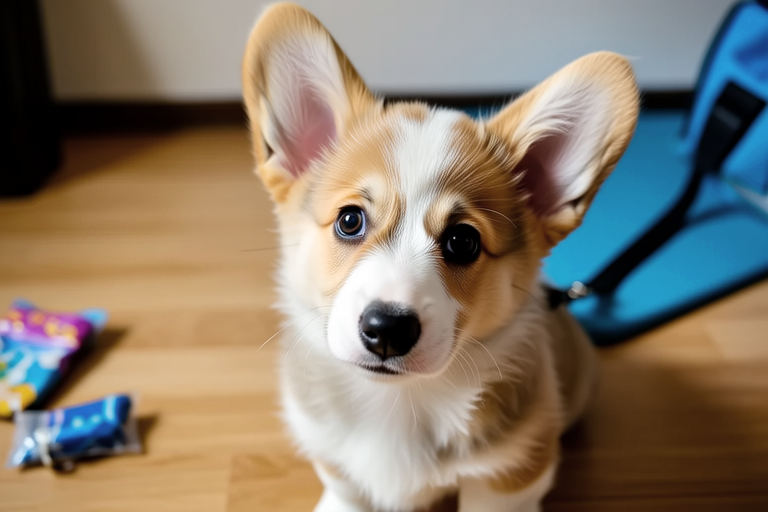
The Ultimate Guide to Training Your Mischievous Corgi Pup
Welcome to your comprehensive guide to training your mischievous Corgi pup! Whether you’re a first-time owner or an experienced handler, this guide will help you understand, train, and bond with your energetic and playful Corgi.
Understanding Corgi Behavior
Corgis are known for their intelligence, loyalty, and boundless energy. They are descendants of herding dogs and retain strong herding instincts. This means they can be quite vocal and may try to herd people or other animals. Their natural curiosity and high energy levels can lead to mischief if not properly managed.
Recognizing these behaviors is crucial for effective training. For example, if your Corgi is constantly barking, it might be trying to herd you or express boredom. Understanding why they behave in certain ways helps you address the root cause rather than just reacting to the symptoms.
Essential Training Tips
Training your Corgi requires patience, consistency, and positive reinforcement. Start with basic commands like ‘sit’, ‘stay’, and ‘come’. Use treats and praise to reward good behavior. For instance, when teaching ‘sit’, hold a treat above your Corgi’s nose and slowly move it back over its head. As your Corgi follows the treat and sits, say ‘sit’ and immediately give the treat and praise.
Consistency is key. Always use the same command words and hand signals. If one family member says ‘sit’ and another says ‘down’, it can confuse your Corgi. Regular, short training sessions are more effective than long, infrequent ones.
Common Challenges and Solutions
Like all dogs, Corgis can present some unique challenges. Here are a few common issues and how to tackle them:
- Barking: Corgis can be very vocal. To reduce excessive barking, identify the trigger and work on desensitizing your dog to it. For example, if your Corgi barks at passersby, gradually expose them to the stimulus while rewarding calm behavior.
- Chewing: Corgis have a strong urge to chew. Provide appropriate chew toys and redirect them when they go for something off-limits. Praise them when they choose a toy over furniture.
- Jumping: Corgis love to jump up on people. Teach your Corgi that jumping doesn’t get them attention. Instead, wait until they sit before giving them affection or treats.
Positive Reinforcement Techniques
Positive reinforcement is a powerful tool in training. It involves rewarding desired behaviors with treats, praise, or play. This method builds a strong bond between you and your Corgi and encourages them to repeat the behavior. For example, when your Corgi comes when called, give them a treat and lots of praise. Over time, they’ll associate coming when called with positive outcomes.
Avoid punishment-based training methods as they can damage the trust between you and your Corgi. Instead, focus on rewarding good behavior and ignoring unwanted behavior.
Exercise Needs
Corgis are active dogs that require plenty of exercise to stay healthy and happy. Aim for at least two walks a day, each lasting about 30 minutes. In addition to walks, provide opportunities for running and playing. Corgis enjoy games like fetch and tug-of-war. A tired Corgi is less likely to get into trouble, so make sure to give them enough physical activity.
If you live in a small apartment, consider taking your Corgi to a nearby park or dog-friendly area where they can run freely. Interactive toys like puzzle feeders can also help burn excess energy indoors.
Diet Considerations
Proper nutrition is vital for your Corgi’s overall health and well-being. Feed them a high-quality, balanced diet that meets their nutritional needs. Consult your veterinarian to determine the best food and portion sizes based on your Corgi’s age, weight, and activity level.
Avoid feeding table scraps as they can upset your Corgi’s digestive system and lead to obesity. Treats should be given sparingly and should not exceed 10% of your Corgi’s daily caloric intake. Fresh water should always be available.
Socialization Strategies
Socializing your Corgi from a young age helps them become well-adjusted and confident adults. Expose them to different people, animals, and environments in a controlled manner. Take them to parks, pet stores, and friends’ houses. Encourage positive interactions and reward calm behavior.
Consider enrolling your Corgi in puppy classes. These classes provide structured socialization opportunities and teach basic obedience skills. They also allow your Corgi to meet other puppies in a safe environment.
Remember, every Corgi is unique, and what works for one may not work for another. Be patient, consistent, and loving, and you’ll have a well-trained and happy Corgi companion. Happy training!