
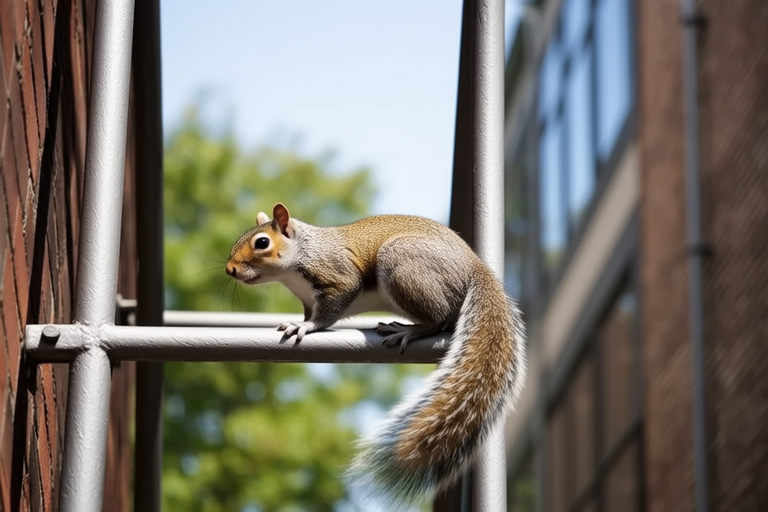
City Squirrels: A Day in the Life
In the heart of bustling cities, where concrete jungles tower over the ground, there exists a resilient community of creatures that have adapted to urban life with remarkable success. City squirrels, often overlooked by the human residents hurrying past them, lead complex lives filled with challenges, opportunities, and social interactions. From urban parks to rooftops, these agile animals navigate the cityscape with ease, finding ways to thrive amidst the chaos of modern life. This article explores the daily life and adventures of city squirrels, delving into their activities, interactions, and survival strategies.
Navigating the Urban Landscape
Squirrels are highly adaptable creatures, capable of thriving in a variety of environments. In cities, they have found new homes in parks, gardens, and even on rooftops. Their ability to climb trees, fences, and walls allows them to move freely throughout the urban environment. They have also learned to cross busy streets, using their keen sense of hearing and sight to dodge traffic. Scientific studies have shown that squirrels can remember the locations of up to 9,000 different hiding places for their food, a skill that is particularly useful in urban areas where food sources are scattered and unpredictable.
Their agility and speed enable them to escape predators and other dangers. While natural predators such as birds of prey and foxes are less common in cities, squirrels still face threats from domestic pets and cars. To avoid these dangers, they rely on their acute senses and quick reflexes. They are particularly adept at detecting the presence of humans and other animals, allowing them to take cover or flee when necessary. Additionally, squirrels have been observed using a variety of techniques to avoid being caught by predators, including running in loops and zigzagging across open spaces.
Interactions with Humans
Humans and squirrels share many urban spaces, and their interactions can be both beneficial and challenging for both parties. In parks and gardens, squirrels are often seen scurrying around, collecting acorns and other nuts. Many people enjoy feeding them, providing a steady supply of food that supplements their natural diet. However, it is important to note that feeding wild animals can alter their behavior and make them more dependent on humans for sustenance. It is recommended to provide only a small amount of food and to avoid giving them unhealthy snacks like bread or candy.
Squirrels have also learned to exploit human waste for food. They will rummage through garbage cans, looking for scraps of food that have been discarded. While this behavior can be problematic for sanitation, it also demonstrates the resourcefulness of these animals. In some cases, squirrels have even been known to break into bird feeders, raiding them for seeds and other treats. Despite these occasional conflicts, squirrels generally coexist peacefully with humans, often becoming familiar faces in their neighborhoods.
Food and Survival Strategies
Finding food in a city environment requires creativity and persistence. Squirrels have adapted to urban living by developing various strategies to ensure their survival. One of the most important aspects of their diet is caching, which involves storing food for later consumption. By burying nuts and seeds in strategic locations, squirrels can access a reliable source of nutrition during times of scarcity. Studies have shown that squirrels are remarkably efficient at retrieving their caches, with some estimates suggesting that they can recover up to 80% of their hidden stores.
In addition to caching, squirrels have also been observed using a variety of techniques to gather food. They will dig through compost piles, scavenge fallen fruit from trees, and even eat insects and small animals. Their diet is primarily composed of plant matter, but they will consume whatever is available to meet their nutritional needs. During the winter months, when food sources become scarce, squirrels rely heavily on their stored caches to survive. They have also been known to huddle together in communal nests to conserve body heat, a behavior that is particularly useful in cold climates.
Social Structures and Communication
While squirrels are often seen as solitary creatures, they actually have complex social structures and communication methods. They live in loose colonies, with individuals maintaining territories that overlap with those of their neighbors. Within these colonies, squirrels engage in a variety of social behaviors, including grooming, playing, and defending their territory from intruders. They also communicate with each other using a range of vocalizations and body language, which can convey information about danger, mating, and food sources.
One of the most interesting aspects of squirrel behavior is their ability to recognize individual members of their colony. Studies have shown that squirrels can distinguish between familiar and unfamiliar individuals based on scent cues. They will also use visual signals, such as tail flicks and postures, to communicate with one another. These communication methods allow squirrels to coordinate their activities and maintain social bonds within the colony. Additionally, squirrels have been observed engaging in playful behavior, such as chasing and wrestling, which helps to strengthen relationships and reduce aggression.
Adapting to City Living
The transition from rural to urban environments has presented squirrels with numerous challenges, but they have adapted in remarkable ways. One of the most significant changes has been the shift in their habitat preferences. In cities, squirrels have had to find alternative nesting sites, such as hollow trees, attics, and even abandoned buildings. They have also developed new ways of accessing food, such as scavenging from garbage cans and raiding bird feeders. These adaptations have allowed squirrels to thrive in urban environments, where they are now a common sight in parks, gardens, and residential areas.
Another key factor in their success has been their ability to learn from experience. Squirrels are highly intelligent animals, capable of solving problems and adapting to new situations. For example, they have been observed using tools, such as sticks and leaves, to retrieve food from difficult-to-reach places. They have also been known to outsmart traps and other attempts to control their populations. These problem-solving abilities, combined with their natural curiosity and adaptability, have enabled squirrels to flourish in the city.
Conclusion
The daily life and adventures of city squirrels offer a fascinating glimpse into the resilience and ingenuity of these creatures. From navigating the urban landscape to interacting with humans and finding food, squirrels have adapted in remarkable ways to thrive in the city. Their social structures, communication methods, and survival strategies demonstrate the complexity of their behavior and the importance of understanding their role in the ecosystem. As cities continue to grow and evolve, it is essential to recognize the value of these adaptable animals and work to protect their habitats and resources. By doing so, we can ensure that squirrels continue to thrive in the urban environment for generations to come.