
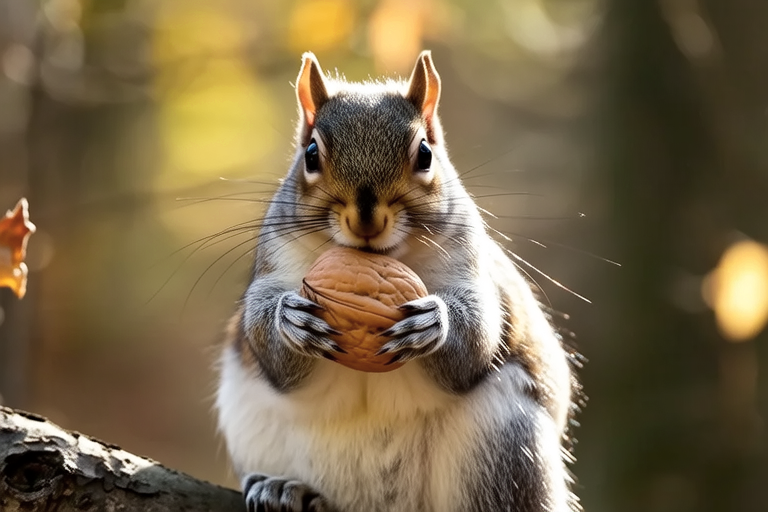
Squeaky Clean Myths Busted: Separating Fact from Fiction About Squirrels
Welcome to a fascinating exploration into the world of squirrels! These small, agile creatures have long been subjects of both admiration and misunderstanding. From their diet to their habitats and behaviors, there are many myths surrounding these animals that need to be debunked. Let’s dive into the truth behind some of the most common misconceptions about squirrels.
Common Misconceptions About Squirrels
Before we delve into the specifics, it’s important to recognize why these myths persist. Often, misinformation stems from limited observations or cultural folklore. By understanding the facts, we can foster a more accurate appreciation for these remarkable creatures.
Diet Myths
One of the most prevalent myths about squirrels is that they only eat nuts. While nuts are indeed a significant part of their diet, squirrels are omnivores, meaning they consume a variety of foods. Their diet includes fruits, seeds, fungi, and even insects. Research published in the Journal of Mammalogy has shown that squirrels play a crucial role in seed dispersal, contributing to forest regeneration.
Another misconception is that squirrels hibernate during winter. In reality, while some squirrel species may enter torpor (a state of reduced physiological activity), they do not hibernate like bears. Instead, they remain active throughout the colder months, relying on stored food caches and adapting their behavior to conserve energy.
Habitat Preferences
Squirrels are often thought to prefer forests exclusively. However, many species have adapted well to urban environments. Gray squirrels, for example, thrive in parks and suburban areas, utilizing human-provided structures like bird feeders and trees. According to studies conducted by the National Wildlife Federation, urban squirrels have become increasingly resourceful, finding ways to exploit city life without compromising their survival.
It is also commonly believed that squirrels dig up planted bulbs. While it’s true that squirrels may sometimes unearth garden plants, this behavior is usually due to their natural foraging instincts rather than malicious intent. Providing alternative feeding stations can help redirect their attention away from gardens.
Behavioral Myths
A popular myth is that squirrels are aggressive towards humans. In fact, squirrels are generally shy and avoid direct contact with people. Instances where squirrels appear aggressive are often misinterpretations of their defensive postures. Understanding their body language can prevent unnecessary conflicts.
Another misconception is that all squirrels live alone. While some species are solitary, many are social and live in groups, especially during mating seasons. The Eastern gray squirrel, for instance, forms complex social structures within its community.
Tips for Coexisting Peacefully with Squirrels in Urban Environments
Living alongside squirrels in cities requires mutual respect and understanding. Here are some practical tips:
- Create safe spaces: Provide designated areas for squirrels to feed and nest, such as bird feeders or nesting boxes.
- Use deterrents: Employ humane methods like motion-activated sprinklers or scents that deter squirrels from unwanted areas.
- Plant native flora: Encourage the growth of local plants that provide natural food sources for squirrels.
- Be mindful of pets: Keep dogs and cats under control to reduce potential threats to squirrels.
The Importance of Understanding Squirrels for Conservation Efforts
Understanding squirrels is not just about dispelling myths; it plays a vital role in conservation. As urbanization continues to encroach upon natural habitats, the ability to coexist with wildlife becomes increasingly important. By studying squirrels, researchers can gain insights into broader ecological issues, such as biodiversity and ecosystem health.
Conservation efforts aimed at protecting squirrels contribute to maintaining healthy ecosystems. Squirrels act as indicators of environmental health, and their presence can signal the overall vitality of an area. Protecting them means safeguarding their habitats, which benefits numerous other species.
Moreover, educating the public about squirrels helps foster a sense of responsibility towards wildlife. When people understand the true nature of these animals, they are more likely to support conservation initiatives and adopt practices that promote coexistence.
Conclusion
In conclusion, squirrels are much more than just cute, fluffy creatures that visit our backyards. They are integral parts of our ecosystems, playing crucial roles in seed dispersal, pollination, and even soil health. By separating fact from fiction, we can better appreciate their complexity and ensure their continued existence.
Let’s embrace the reality of these fascinating animals and work together to create harmonious living spaces for both humans and squirrels. Understanding squirrels is not just beneficial for them but also enriches our own lives, offering a deeper connection to the natural world around us.