
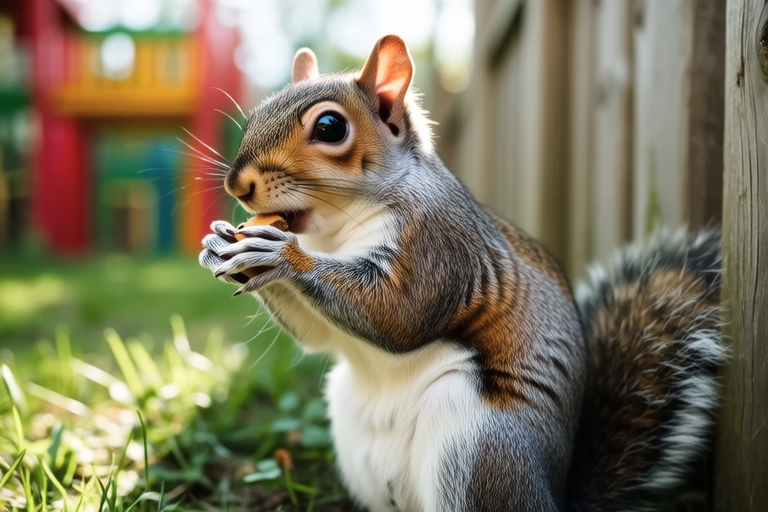
Squirrely Business: Inside the Unexpected World of Petting Zoo Squirrels
When you think of petting zoos, the first animals that come to mind might be goats, sheep, or llamas. However, one of the most charming and unexpected residents of these animal playgrounds are squirrels. These small, bushy-tailed creatures offer a unique experience that sets them apart from their wild counterparts. This article delves into the world of petting zoo squirrels, exploring their behaviors, habits, and interactions with visitors.
The Unique Charm of Petting Zoo Squirrels
Petting zoo squirrels have a special allure that captivates visitors of all ages. Unlike their wild cousins, these squirrels are accustomed to human interaction, making them more approachable and playful. Their curiosity and agility make them fascinating to watch, and their friendly demeanor allows for close, enjoyable encounters. Visitors often marvel at the ease with which these squirrels interact with people, offering a glimpse into the softer side of wildlife.
Behaviors and Interactions
Squirrels in petting zoos exhibit a range of behaviors that are both endearing and entertaining. They are known for their acrobatic leaps and playful chases, providing hours of amusement for visitors. One of the most delightful aspects of interacting with petting zoo squirrels is watching them scamper up and down ropes and branches, demonstrating their natural climbing skills. They are also quick learners, often responding positively to gentle encouragement and treats, which can lead to memorable moments for both the squirrels and those who visit.
These interactions are not just fun; they are also educational. Visitors learn about the natural behaviors of squirrels, such as foraging and caching food, which are crucial for their survival in the wild. By observing these behaviors in a controlled environment, visitors gain a deeper understanding of wildlife and conservation efforts.
Diet and Care Requirements
The care and feeding of petting zoo squirrels require attention to detail and a thorough understanding of their dietary needs. Squirrels are omnivores, meaning they eat a variety of foods, including nuts, seeds, fruits, and vegetables. In a petting zoo setting, it’s important to provide a balanced diet that mimics their natural diet as closely as possible. Specialized squirrel feed and fresh produce are typically included in their daily meals, ensuring they receive the necessary nutrients.
In addition to proper nutrition, petting zoo squirrels need adequate space and environmental enrichment to thrive. Their enclosures should be large enough to allow for natural behaviors, such as running and climbing. Providing various types of climbing structures and hiding spots helps keep the squirrels mentally stimulated and physically active. Regular health checks and veterinary care are also essential to maintain their well-being.
Adapting to a Petting Zoo Environment
Transitioning from the wild to a petting zoo requires careful handling and socialization. Young squirrels raised in captivity tend to be more adaptable to human presence, making them ideal candidates for petting zoos. Early socialization with humans is key to developing trust and minimizing stress during interactions. Once acclimated, these squirrels become comfortable with the constant flow of visitors, even during busy days.
Despite their adaptability, petting zoo squirrels still retain many of their natural instincts. They remain alert and cautious, always on the lookout for potential threats. This vigilance, combined with their playful nature, creates a dynamic and engaging experience for visitors. The challenge for zookeepers is to balance the need for safety with the desire for close interaction, ensuring both the squirrels and visitors have a positive experience.
Challenges and Misconceptions
One common misconception about petting zoo squirrels is that they are domesticated pets. While they are more comfortable around humans than their wild counterparts, they are still wild animals at heart. It’s important to remember that squirrels are not domesticated and should not be treated as household pets. Keeping squirrels in a petting zoo environment allows them to retain their natural behaviors while providing a safe and controlled setting for interaction.
Another challenge is managing visitor expectations. While squirrels are generally friendly, they can sometimes be unpredictable. Visitors must be reminded to handle the squirrels gently and respect their personal space. Educating visitors on appropriate behavior is crucial to maintaining a positive and safe environment for both the squirrels and the people who visit.
The Positive Impact of Petting Zoo Squirrels
The interactions between petting zoo squirrels and visitors have a profound positive impact on both parties. For the visitors, these encounters offer a unique opportunity to connect with wildlife in a meaningful way. The joy and wonder experienced during these interactions can foster a greater appreciation for nature and a commitment to conservation efforts. Children, in particular, benefit from these experiences, learning valuable lessons about responsibility, empathy, and respect for animals.
For the squirrels, life in a petting zoo provides a stable and enriching environment. They enjoy regular social interaction and the opportunity to engage in natural behaviors. The care and attention they receive ensure their physical and mental well-being, allowing them to live comfortably and happily within the confines of their enclosure.
In conclusion, petting zoo squirrels bring a unique and delightful element to the petting zoo experience. Their charm, adaptability, and engaging behaviors make them a favorite among visitors. By fostering positive interactions, petting zoo squirrels play a vital role in education and conservation, helping to create a world where humans and wildlife can coexist harmoniously.