
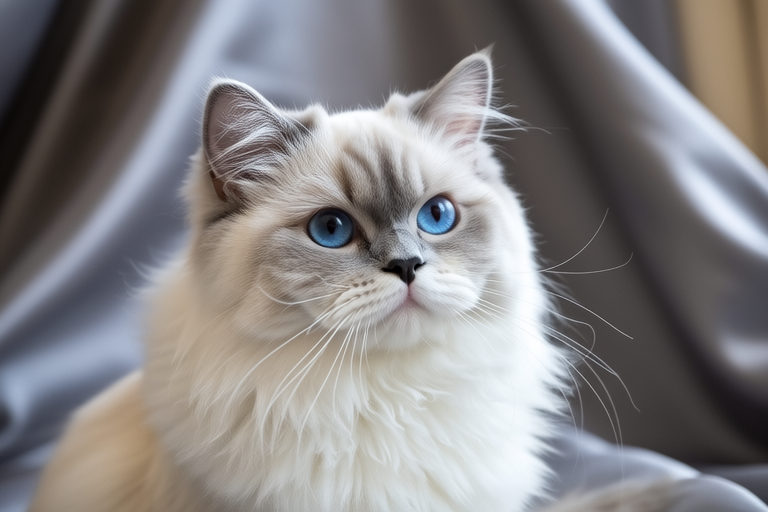
Top 10 Reasons Why Persian Cats Are More Than Just Pretty Faces
Persian cats have long been celebrated for their striking appearance, with their luxurious, long coats and large, expressive eyes. However, beneath that glamorous exterior lies a wealth of unique characteristics that make them more than just pretty faces. From their gentle temperament to their historical significance, these felines offer much more than meets the eye. In this article, we delve into ten compelling reasons why Persian cats are beloved by many.
1. A Gentle and Affectionate Temperament
Persian cats are known for their calm and serene demeanor, making them excellent companions for individuals seeking a peaceful home environment. Their temperament is often described as docile and relaxed, which means they tend to get along well with other pets and children. These cats are typically not overly active or demanding, preferring instead to enjoy the company of their human family members in a quiet, low-key manner. They are also known for being affectionate, often seeking out the warmth and comfort of their owners. This gentle nature makes them ideal for households where a calm and loving pet is desired.
2. Grooming Needs: A Commitment to Beauty
The long, silky coat of a Persian cat is one of its most recognizable features, but it also requires significant grooming attention. Daily brushing is essential to prevent matting and tangling, ensuring the coat remains healthy and beautiful. While this might seem like a lot of work, many owners find the process enjoyable and bonding. The grooming routine provides an opportunity for regular interaction and strengthens the bond between owner and cat. Additionally, it helps keep the cat’s skin healthy and reduces the likelihood of hairballs. Despite the extra effort, the results are worth it, as a well-groomed Persian cat truly shines.
3. High Intelligence and Playfulness
Contrary to their laid-back appearance, Persian cats are surprisingly intelligent and playful. They can learn tricks and enjoy interactive toys that stimulate their minds. Owners often report that their Persians can be trained to fetch, sit, and even come when called. Their intelligence extends to problem-solving, making them adept at figuring out how to open doors or cabinets if they’re left unattended. This playful side can be particularly appealing to families looking for a cat that offers both companionship and entertainment. Providing mental stimulation through puzzles and interactive games can help keep your Persian happy and engaged.
4. Health Considerations
While generally healthy, Persian cats do have some specific health concerns that potential owners should be aware of. Brachycephalic airway syndrome, due to their flat faces, can lead to breathing difficulties, especially in hot weather or during physical exertion. Regular veterinary check-ups are crucial to monitor their respiratory health. Additionally, they are prone to certain genetic conditions such as polycystic kidney disease (PKD), a condition that affects many purebred cats. Early detection through genetic testing can help manage the disease effectively. Maintaining a balanced diet and regular exercise can also contribute to their overall health.
5. Interaction with Families
Persian cats are social creatures that thrive on interaction with their human families. They enjoy being part of household activities and often follow their owners around, seeking attention and companionship. Their affectionate nature makes them excellent companions for people who want a cat that will engage with them. They are also known for their patience and tolerance, qualities that make them particularly suitable for households with young children. This social behavior can foster strong bonds within the family, creating a warm and welcoming atmosphere.
6. Adaptability to Different Living Spaces
Despite their delicate appearance, Persian cats are surprisingly adaptable to various living environments. Whether you live in a spacious house or a small apartment, they can adjust well. Their preference for calm and quiet surroundings means they do not require a lot of space to be comfortable. They are equally content lounging on a cozy window seat or curling up in a favorite spot near their owners. This adaptability makes them suitable for a wide range of living situations, from urban apartments to rural homes.
7. Vocal Tendencies
Persian cats are generally not known for being very vocal, which can be a relief for those who prefer a quieter pet. Unlike some breeds that meow frequently, Persians tend to communicate more through body language and purring. However, this does not mean they are aloof; rather, they express themselves in subtle ways. When they do vocalize, it is usually for a specific reason, such as wanting attention or food. This quiet demeanor can be particularly appealing to those who appreciate a peaceful household.
8. Historical Background
The history of Persian cats dates back centuries, with evidence suggesting they originated in Persia (modern-day Iran) and were introduced to Europe in the 1600s. Over time, they became popular among European aristocracy and royalty, further enhancing their reputation as elegant and regal pets. Today, they remain a symbol of luxury and sophistication, admired for their beauty and grace. Understanding the rich history of Persian cats adds another layer of appreciation for these remarkable animals.
9. Suitability for Different Living Spaces
Persian cats are well-suited for various living environments, from bustling city apartments to serene suburban homes. Their calm nature and adaptability make them ideal for small spaces, where they can find comfort in a cozy nook or perch. In larger homes, they can enjoy exploring and finding their favorite spots. Regardless of the setting, they require a safe, clean environment free from harsh chemicals and allergens. Ensuring a suitable living space enhances their quality of life and allows them to thrive.
10. Special Care Requirements
In addition to regular grooming, Persian cats have specific care needs that ensure their well-being. Their eyes, due to their shape and position, are prone to tearing and require daily cleaning to prevent irritation and infection. It is also important to keep their living area free from dust and debris to minimize respiratory issues. Providing soft bedding and a warm, draft-free sleeping area is essential, especially for older cats. With proper care and attention, Persian cats can live long, healthy lives, often reaching 12 to 15 years of age.
In conclusion, Persian cats are much more than their stunning looks. Their gentle temperament, intelligence, adaptability, and rich history make them exceptional companions. While they do require a bit more care and attention, the rewards of owning a Persian cat are immeasurable. For those willing to invest the time and effort, these cats provide loyal, loving companionship and a touch of elegance to any home.