
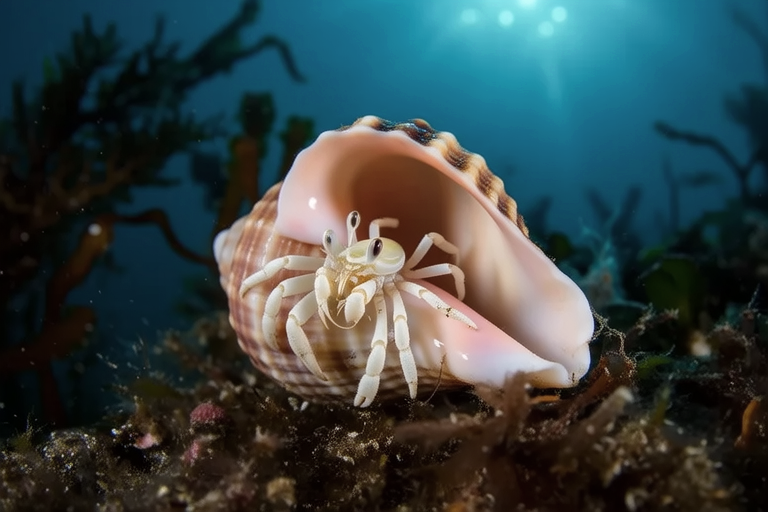
From Ocean Depths to Shells: Discovering the Cozy Life of Pea Crabs
In the vast and mysterious realm of the ocean, where the waves ebb and flow endlessly, there exists a fascinating world of creatures that have adapted to life within the confines of their hosts’ shells. One such creature is the pea crab, a tiny yet remarkable crustacean that has mastered the art of cohabitation. These diminutive beings, often no larger than a grain of rice, lead a life of symbiosis, nestled within the protective enclosures of bivalves like oysters and clams. This article delves into the intriguing life of pea crabs, detailing their unique relationship with their hosts, their physical characteristics, life cycle, behaviors, and their vital role in marine ecosystems.
The Symbiotic Relationship
The relationship between pea crabs and their hosts is one of mutual benefit, a perfect example of nature’s intricate balance. The pea crab, with its delicate body and nimble appendages, finds refuge and sustenance within the shells of bivalves. In exchange, the host benefits from the pea crab’s diligent cleaning efforts, which help keep the shell free from harmful parasites and debris. This partnership ensures the survival of both parties in the harsh marine environment.
Physical Characteristics
Pea crabs are small, typically ranging from 3 to 8 millimeters in length, making them some of the smallest crabs in the world. Their translucent bodies are adorned with fine hairs, giving them a soft, almost ethereal appearance. Unlike their larger counterparts, pea crabs lack the formidable claws that many other crabs possess, instead relying on their agility and speed to navigate their cramped quarters. Their elongated legs allow them to move swiftly through the narrow spaces within their hosts’ shells, while their flattened bodies enable them to squeeze into tight crevices.
Life Cycle
The life cycle of pea crabs is a testament to their adaptability and resilience. Females lay eggs within the safety of their host’s shell, where the larvae develop over time. Once hatched, the tiny larvae drift through the ocean currents until they find a suitable host. Upon locating a potential home, they enter the bivalve’s gills or mantle cavity, where they will spend the rest of their lives. As they mature, they undergo a series of molts, shedding their exoskeletons to accommodate their growing bodies. This process is crucial for their survival, as it allows them to continue living comfortably within the confines of their host’s shell.
Behaviors and Adaptations
Living within the confines of a bivalve shell presents numerous challenges for pea crabs. They must navigate the limited space, avoid predators, and secure their place within the ecosystem. To overcome these obstacles, pea crabs have developed several remarkable adaptations. Their flattened bodies and long legs allow them to maneuver efficiently within the shell, while their ability to molt ensures they can grow without outgrowing their home. Additionally, their transparent bodies provide camouflage, blending seamlessly with the surrounding tissues of their host, making them nearly invisible to potential threats.
Role in Marine Ecosystems
Pea crabs play a vital role in marine ecosystems, contributing to the health and well-being of their hosts and the broader environment. By keeping their hosts clean and free from parasites, they help maintain the overall health of the bivalve population. Furthermore, pea crabs serve as a food source for various marine predators, including fish and birds, thus playing a part in the complex food web of the ocean. Their presence within the ecosystem underscores the interconnectedness of all marine life and highlights the importance of maintaining healthy populations of both hosts and symbionts.
Threats and Conservation
Despite their adaptability and importance, pea crabs face numerous threats in their oceanic habitat. Pollution, climate change, and overfishing pose significant risks to their survival. The degradation of marine environments and the depletion of bivalve populations can disrupt the delicate balance of the symbiotic relationship, leaving pea crabs vulnerable to extinction. Conservation efforts aimed at protecting marine ecosystems and promoting sustainable fishing practices are essential for ensuring the continued existence of these tiny crustaceans.
A Glimpse into Their Oceanic Habitat
Imagine descending into the depths of the ocean, where the light fades into darkness and the sounds of the surface world dissolve into the murmur of the sea. Here, in the shadowy embrace of the deep, pea crabs make their homes within the shells of oysters and clams. These bivalves, with their sturdy shells and gentle movements, provide a haven for the tiny crabs, who scuttle through the labyrinthine passages within. The water around them teems with life, from microscopic plankton to massive whales, each playing its part in the grand tapestry of the ocean. Amidst this bustling ecosystem, pea crabs go about their daily lives, navigating the challenges of their aquatic world with grace and determination.
Challenges Overcome
The life of a pea crab is not without its challenges. From the moment they hatch, these tiny creatures must find a suitable host, a task made more difficult by the ever-changing currents and the abundance of potential predators. Once inside their host, they must contend with the limited space and the constant threat of being dislodged or consumed. Despite these obstacles, pea crabs have evolved to thrive in their unique environment, demonstrating the incredible resilience and adaptability of life in the ocean.
In conclusion, pea crabs are a fascinating and integral part of marine ecosystems, showcasing the beauty and complexity of symbiotic relationships in nature. Their small size belies their significance, as they play a crucial role in maintaining the health of their hosts and the broader environment. By understanding and appreciating these tiny creatures, we can better appreciate the delicate balance of life in the ocean and work towards preserving it for future generations.