
Common Health Issues in Bearded Dragons and How to Prevent Them
Introduction to Bearded Dragons and Their Popularity as Pets
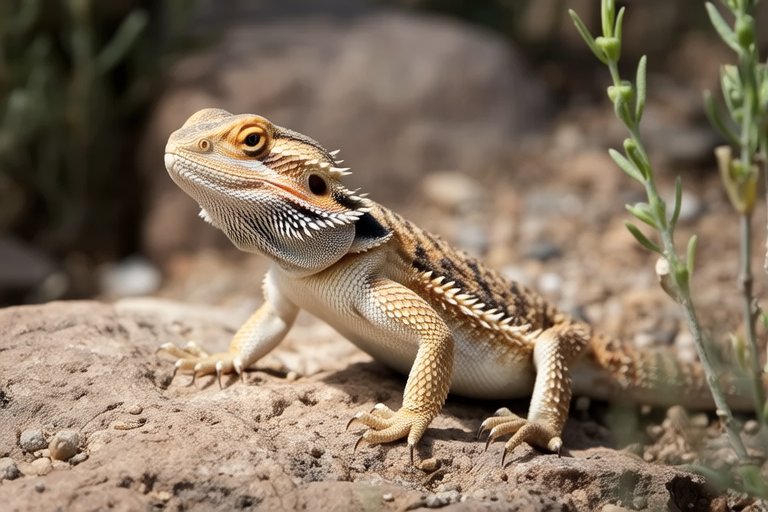
Bearded dragons have become increasingly popular among reptile enthusiasts over the past few decades. These lizards, native to the arid regions of Australia, are known for their docile nature, vibrant colors, and ease of care. Their unique appearance, with spiky scales along their throat and a beard-like pouch, makes them an attractive choice for both novice and experienced reptile owners. As a result, bearded dragons are one of the most commonly kept reptiles in households today.
Detailed Descriptions of Common Health Issues
Metabolic Bone Disease (MBD)
Metabolic Bone Disease is one of the most serious health issues that can affect bearded dragons. It occurs when there’s an imbalance between calcium and phosphorus levels in the body, leading to weakened bones and other skeletal deformities. Symptoms include lethargy, swollen limbs, and difficulty moving. If left untreated, MBD can lead to severe complications and even death.
Impaction
Impaction happens when food or substrate gets stuck in the digestive tract, causing blockages. This condition can be life-threatening if not addressed promptly. Signs of impaction include loss of appetite, constipation, and visible bloating. In severe cases, the dragon may stop defecating altogether.
Respiratory Infections
Respiratory infections are another common problem in bearded dragons. They often manifest as nasal discharge, wheezing, open-mouth breathing, and lethargy. Prolonged exposure to cold temperatures or high humidity can weaken the immune system, making dragons more susceptible to respiratory pathogens.
Parasites
Parasites, including mites, ticks, and internal worms, can infest bearded dragons. These parasites feed on blood or tissue, causing anemia, weight loss, and general weakness. External parasites like mites are visible as small black dots on the skin or around the eyes, while internal parasites require diagnostic tests to identify.
Causes of These Health Problems
Diet
An improper diet is a significant factor contributing to many health issues in bearded dragons. A lack of essential nutrients, especially calcium and vitamin D3, can lead to metabolic bone disease. Feeding too much protein from insects without balancing it with vegetables can also cause impaction. Additionally, feeding inappropriate food items can introduce parasites into the dragon’s system.
Habitat Conditions
Inadequate environmental conditions can exacerbate health problems. Poor ventilation, incorrect temperature gradients, and excessive moisture can promote the growth of harmful bacteria and fungi, increasing the risk of respiratory infections. Similarly, using inappropriate substrates, such as sand or gravel, increases the likelihood of impaction.
Hygiene
Poor hygiene practices can introduce pathogens that lead to infections. Failing to clean enclosures regularly allows waste products to accumulate, creating ideal breeding grounds for parasites and bacteria. Additionally, sharing equipment between multiple animals without proper sterilization can spread diseases.
Prevention Strategies
Proper Nutrition
To prevent metabolic bone disease, ensure your bearded dragon receives a balanced diet rich in calcium and vitamin D3. Offer a variety of leafy greens, supplemented with appropriate amounts of insects. Use calcium and multivitamin powders specifically formulated for reptiles, and provide UVB lighting to aid in vitamin D3 synthesis.
Suitable Habitat Setup
Maintain optimal temperature gradients within the enclosure, ensuring access to both basking spots and cooler areas. Keep humidity levels low to prevent respiratory issues. Avoid using loose substrates that could cause impaction; instead, opt for paper towels, reptile carpet, or tiles. Regularly clean and disinfect the enclosure to minimize pathogen buildup.
Regular Vet Check-Ups
Annual veterinary examinations help detect early signs of health issues before they become severe. During these visits, veterinarians can perform fecal exams to check for parasites and provide vaccinations against common diseases. Early intervention is crucial for effective treatment.
Handling Practices
Handle your bearded dragon gently and frequently to acclimate them to human interaction. Wash your hands before and after handling to reduce the risk of introducing pathogens. Avoid overcrowding enclosures, which can stress dragons and increase the likelihood of disease transmission.
Conclusion
In conclusion, understanding and addressing common health issues in bearded dragons is essential for maintaining their well-being. By providing proper nutrition, setting up suitable habitats, scheduling regular veterinary check-ups, and practicing good handling techniques, you can significantly reduce the risks associated with metabolic bone disease, impaction, respiratory infections, and parasites. Responsible pet ownership involves being proactive about your pet’s health, ensuring they live long, happy lives.