
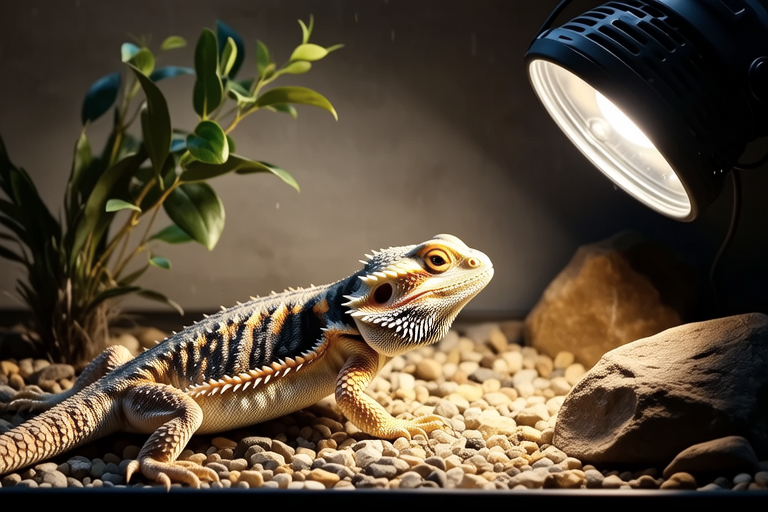
Bearded Dragon Care: A Complete Guide for New Owners
Welcome to the wonderful world of bearded dragon ownership! These captivating reptiles make fantastic pets for those who are ready to provide them with the proper care they need. This comprehensive guide will cover everything from setting up their habitat to understanding their dietary needs and ensuring their overall well-being. By following these guidelines, you’ll be well on your way to becoming a responsible and knowledgeable bearded dragon owner.
Habitat Setup
The first step in caring for your bearded dragon is creating a suitable habitat. Bearded dragons require spacious enclosures that allow them to move around comfortably. For juveniles, a 20-gallon tank is adequate, but adult bearded dragons need at least a 40-gallon tank or larger.
A secure screen top is crucial to prevent escapes while ensuring proper ventilation. The enclosure should have multiple levels to mimic natural climbing opportunities. You can achieve this by adding branches, rocks, or commercially available platforms. Make sure all items are securely fastened to avoid accidents.
Substrate choice is another important consideration. While some substrates like sand may seem appealing, they pose a choking hazard if ingested. Instead, opt for safer alternatives such as reptile carpet, paper towels, or tile flooring. These options are easier to clean and maintain hygiene within the enclosure.
Temperature and Lighting Requirements
Bearded dragons are ectothermic, meaning they rely on external heat sources to regulate their body temperature. Providing appropriate heating is essential for their digestion, metabolism, and overall health.
The basking spot should reach temperatures between 95°F and 110°F (35°C – 43°C). Use a high-wattage ceramic heat emitter or a specialized reptile bulb placed above one side of the enclosure. Ensure there’s enough space for your dragon to move away from the heat source when necessary.
In addition to heat, UVB lighting is vital for calcium absorption and preventing metabolic bone disease. A high-quality UVB bulb designed specifically for reptiles should be installed within 12 inches of where your bearded dragon spends most of its time basking. Replace the bulb every six months even if it still appears functional.
Maintain ambient temperatures ranging from 75°F to 85°F (24°C – 29°C) throughout the day, dropping slightly at night to 65°F to 75°F (18°C – 24°C). Use thermometers strategically placed inside the enclosure to monitor these conditions accurately.
Diet and Feeding Schedules
Bearded dragons are omnivorous, requiring both plant matter and protein sources in their diet. Their nutritional needs change as they grow, so adjust their meals accordingly.
For young dragons under six months old, offer daily feedings consisting primarily of crickets, mealworms, and dubia roaches. Gradually increase the variety of insects over time. Dust these insects with a calcium supplement twice weekly and a multivitamin once weekly.
Vegetables should form a significant portion of their diet as they mature. Offer leafy greens like collard greens, mustard greens, and dandelion leaves regularly. Occasional fruits can be provided sparingly; however, limit high-sugar fruits such as berries.
Adult bearded dragons benefit from a more balanced diet. Continue offering insects but reduce frequency to two or three times per week. Increase vegetable intake to include chopped carrots, squash, bell peppers, and zucchini. Provide fresh water daily in a shallow dish.
Handling and Socialization Tips
Proper handling techniques help build trust between you and your bearded dragon. Always wash your hands before interacting with them to minimize bacteria transfer.
When picking up your dragon, gently scoop them from underneath while supporting their belly. Avoid grabbing them by their tail, as this can cause injury. Let them become accustomed to being held gradually over several sessions.
Bearded dragons enjoy interaction but may exhibit signs of stress if handled too frequently or roughly. Respect their boundaries and allow periods of rest. Some dragons prefer quiet environments during certain times of the day, especially after meals.
Health Concerns and Preventive Care
Regular veterinary checkups are crucial for maintaining your bearded dragon’s health. Choose a veterinarian experienced with reptiles to ensure proper diagnosis and treatment.
Metabolic Bone Disease (MBD) is a common issue caused by insufficient calcium intake or improper calcium-phosphorus ratios. Signs include swollen limbs, lethargy, and difficulty moving. Prevent MBD by providing adequate supplementation and ensuring optimal lighting conditions.
Respiratory infections can occur due to poor environmental conditions or bacterial exposure. Symptoms include wheezing, nasal discharge, and labored breathing. Maintain clean living spaces, avoid overcrowding, and quarantine new additions until they’re acclimated.
Parasites are another potential threat. Regular fecal examinations performed by your vet can detect parasites early. Implement good hygiene practices to minimize risks.
Common Myths About Bearded Dragons
There are many misconceptions surrounding bearded dragons that could lead to improper care. Here are some debunked myths:
- Myth: Bearded dragons hibernate naturally.
Fact: In captivity, bearded dragons do not require hibernation. They remain active year-round with consistent environmental parameters. - Myth: Bearded dragons only eat insects.
Fact: As mentioned earlier, bearded dragons are omnivores requiring both animal protein and vegetation. - Myth: Bearded dragons need frequent baths.
Fact: While occasional bathing helps maintain hydration and cleanliness, excessive bathing can lead to skin issues. Monitor humidity levels instead.
By dispelling these myths and adhering to best practices outlined in this guide, you’ll set yourself up for success as a bearded dragon owner. Remember, each dragon has unique preferences and personalities, so observe closely and adapt accordingly.