
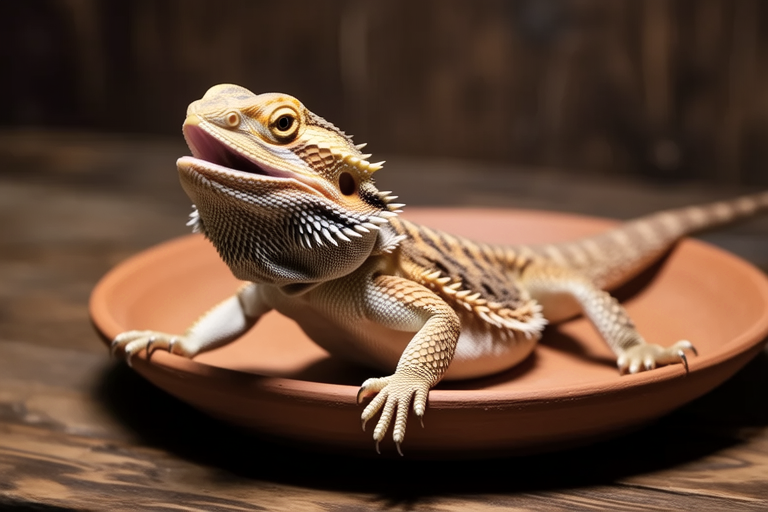
Understanding Bearded Dragon Body Language
Bearded dragons are fascinating creatures that have captured the hearts of many pet owners. Their unique appearance and gentle demeanor make them popular pets. However, one of the most rewarding aspects of owning a bearded dragon is learning to understand its body language. This knowledge is crucial for providing optimal care and ensuring your pet’s well-being. By observing your bearded dragon’s movements, you can gauge its mood, health, and needs. In this article, we will explore various body language signals that bearded dragons exhibit and what they mean.
The Importance of Understanding Bearded Dragon Body Language
Understanding your bearded dragon’s body language is essential for several reasons. First, it allows you to identify when your pet is stressed, sick, or uncomfortable. Early detection of these signs can lead to timely interventions, preventing more severe health issues. Second, recognizing your bearded dragon’s mood helps you interact with it appropriately, reducing stress and fostering a bond between you and your pet. Lastly, interpreting body language aids in providing the right environment and care, ensuring your bearded dragon thrives.
Puffing Up Their Beard
One of the most noticeable behaviors in bearded dragons is the puffing up of their beard. This action is often accompanied by a darker coloration of the beard area. When a bearded dragon puffs up its beard, it usually indicates one of two things: either it feels threatened or it is displaying dominance. A bearded dragon may puff up its beard when it encounters another bearded dragon or when it perceives a threat, such as a predator or an unfamiliar human. This behavior is a defensive mechanism designed to make the dragon appear larger and more intimidating.
On the other hand, puffing up the beard can also signify dominance, especially during interactions with other bearded dragons. In this case, the beard might not darken as much, and the dragon may engage in head bobbing or arm waving to reinforce its status. Understanding this behavior can help you avoid introducing your bearded dragon to others too quickly, as it could lead to conflicts.
Changing Color
Bearded dragons are known for their ability to change color, which is an adaptation that helps them regulate their body temperature and communicate. The most common color changes include darkening and lightening of the skin. Darkening typically occurs when the bearded dragon is cold and needs to absorb more heat, while lightening happens when it is warm enough and seeks to reflect sunlight to cool down. However, color changes can also indicate emotional states. For instance, a stressed or frightened bearded dragon might darken its overall color, including its beard and body.
It’s important to note that some bearded dragons may change color for no apparent reason, simply because they are exploring their environment or reacting to different stimuli. While color changes are generally not cause for concern, if you notice persistent changes along with other unusual behaviors, it could be a sign of illness or stress, and you should consult a veterinarian.
Opening Their Mouth
Bearded dragons sometimes open their mouths for various reasons. One common reason is thermoregulation. Bearded dragons need to maintain a specific body temperature to function optimally. If they feel too hot, they may open their mouths to release excess heat. This behavior is similar to panting in mammals and is a normal response to high temperatures.
However, if your bearded dragon opens its mouth frequently and shows other signs of distress, such as lethargy or lack of appetite, it could indicate an underlying health issue. Respiratory infections, parasites, or other systemic problems can cause discomfort and lead to increased breathing efforts. In such cases, it’s best to seek veterinary advice to rule out any serious conditions.
Waving
Waving is a distinctive behavior seen in bearded dragons, particularly among juveniles and younger adults. It involves the dragon raising one of its front legs slowly and then lowering it back down. This behavior is often interpreted as a sign of submission or a greeting gesture. In the wild, bearded dragons may wave to signal to other dragons that they are not a threat. In captivity, this behavior can occur when a bearded dragon is placed near another dragon or when it is introduced to a new environment.
Owners should be cautious when interpreting waving behavior, as it can sometimes be mistaken for other signals. For example, if a bearded dragon waves excessively or alongside other signs of distress, it could indicate stress rather than submission. Providing a calm and stable environment, with appropriate hiding spots and enrichment, can help reduce stress-related waving.
Darkening Their Eyes
Darkening of the eyes in bearded dragons can be a subtle yet significant indicator of their emotional state. When a bearded dragon’s eyes darken, it often suggests that the dragon is feeling aggressive or stressed. This behavior is more commonly observed in males during breeding season or when they are defending their territory against other males. Darkened eyes can also occur when a bearded dragon is feeling threatened or is trying to intimidate potential predators or competitors.
If you notice your bearded dragon’s eyes darkening frequently, it’s essential to assess its environment and interactions. Are there other dragons in the vicinity? Is the enclosure too small or crowded? Addressing the root cause of the stress can help alleviate this behavior and ensure your dragon remains comfortable and healthy.
Tips for Interacting with Your Bearded Dragon
Now that you understand some of the key body language signals of bearded dragons, here are some tips on how to use this knowledge to improve your interaction and care:
- Observe Regularly: Spend time observing your bearded dragon daily to familiarize yourself with its usual behaviors and routines. This way, you’ll be better equipped to notice any deviations that could indicate stress or illness.
- Create a Comfortable Environment: Ensure your bearded dragon has a suitable habitat with adequate space, hiding spots, and proper heating and lighting. A well-designed enclosure can significantly reduce stress and promote natural behaviors.
- Handle Gently: When handling your bearded dragon, be gentle and supportive. Avoid sudden movements or excessive handling, especially if your dragon seems stressed or uncomfortable. Let it acclimate to your presence gradually.
- Monitor Health Closely: Regularly check your bearded dragon for signs of illness, such as weight loss, lethargy, or abnormal eating habits. Early intervention can prevent minor issues from becoming major health concerns.
- Provide Enrichment: Offer your bearded dragon opportunities for mental stimulation through toys, climbing structures, and varied feeding techniques. Enrichment can enhance your dragon’s well-being and reduce stress-related behaviors.
In conclusion, understanding your bearded dragon’s body language is an invaluable skill for any owner. By recognizing the various signals your dragon sends through its movements and physical changes, you can provide better care and create a more harmonious relationship. Whether it’s puffing up its beard, changing color, opening its mouth, waving, or darkening its eyes, each behavior offers insight into your pet’s mood and needs. With patience and attention, you can learn to interpret these signals effectively, ensuring your bearded dragon leads a happy and healthy life.