
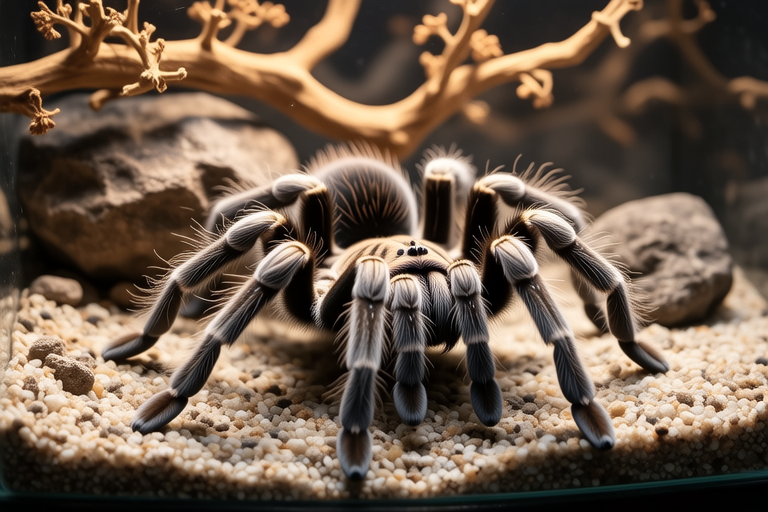
Everything You Need to Know Before Adopting a Tarantula as Your First Exotic Pet
Welcome to the fascinating world of tarantulas! These large, hairy spiders are becoming increasingly popular among exotic pet enthusiasts. Before you decide to bring one into your home, it’s essential to understand what tarantulas are, dispel common myths, and learn about the responsibilities that come with owning one. This guide will walk you through everything you need to know before adopting a tarantula as your first exotic pet.
What Are Tarantulas?
Tarantulas belong to the family Theraphosidae and are found in various habitats worldwide, from tropical rainforests to arid deserts. Despite their fearsome appearance, these spiders are generally docile and can make great pets for those willing to learn and respect their unique needs. Common myths about tarantulas include the belief that they are aggressive and dangerous. In reality, most species are quite calm and pose little threat to humans.
Dispelling Common Myths About Tarantulas
One of the most widespread misconceptions is that all tarantulas are venomous and deadly. While it’s true that tarantulas have venom, most species’ bites are no more harmful than a bee sting. Another myth is that tarantulas are aggressive and attack without provocation. In fact, tarantulas prefer to avoid confrontation and will only bite if they feel threatened or cornered. Understanding these facts can help alleviate any initial fears about keeping a tarantula as a pet.
Species Suitable for Beginners
Choosing the right species is crucial for a successful pet experience. Some tarantulas are better suited for beginners due to their manageable size, temperament, and ease of care. The Mexican Red Knee (Brachypelma smithi) is a popular choice for newcomers. Known for its striking red and black coloration, this species is relatively slow-moving and docile. The Chilean Rose Hair (Grammostola rosea) is another excellent option for beginners. Its gentle nature and adaptability make it a favorite among tarantula enthusiasts.
Typical Behaviors of Tarantulas
Tarantulas exhibit a variety of interesting behaviors that can be both entertaining and educational. Most species are nocturnal, meaning they are most active during the night. They spend much of their day resting in a burrow or a retreat made of silk. When threatened, some tarantulas may flick urticating hairs from their abdomen, which can cause irritation to predators. Others may rear up on their hind legs and display their fangs as a defensive posture. Observing these behaviors can provide valuable insights into your tarantula’s well-being and stress levels.
Setting Up an Appropriate Habitat
Creating a suitable habitat is essential for your tarantula’s health and happiness. A glass terrarium with a secure lid is ideal, providing enough space for the spider to move around comfortably. The substrate should be at least two inches deep and made of coconut fiber or bark chips, which retain moisture and mimic the spider’s natural environment. Temperature and humidity levels should be carefully controlled, with most species thriving between 75°F and 85°F and 60% to 80% humidity. Proper ventilation is also important to prevent mold growth and ensure fresh air circulation.
Dietary Needs
Tarantulas are carnivorous and require a diet of live insects. Crickets, mealworms, and dubia roaches are popular choices, though the size of the prey should be proportional to the tarantula’s body size. Feeding once or twice a week is usually sufficient, and it’s important to remove uneaten prey after a few hours to prevent them from biting or stressing the tarantula. Providing a shallow water dish filled with dechlorinated water can also help maintain proper hydration.
Handling Tips
While tarantulas can be handled, it’s crucial to approach this activity with caution and respect. Always wash your hands before and after handling to avoid transferring oils or chemicals that could harm the spider. Use a small, flat container to gently scoop the tarantula from its enclosure. Avoid grabbing or squeezing the spider, and always support its entire body weight. Handling should be limited to minimize stress and potential injury to both you and the tarantula.
The Importance of Understanding a Tarantula’s Natural Environment
Understanding your tarantula’s natural environment is key to providing optimal care. Research the species’ native habitat to replicate conditions as closely as possible. For example, some species thrive in humid environments, while others prefer drier conditions. Mimicking these conditions can help your tarantula feel more comfortable and less stressed. Additionally, observing natural behaviors can provide clues about your tarantula’s mood and health.
The Commitment Required
Owning a tarantula requires a significant commitment of time and financial resources. Regular maintenance of the enclosure, including cleaning and substrate replacement, is necessary to ensure a healthy living environment. Monitoring temperature, humidity, and feeding schedules also demands consistent effort. Financially, initial setup costs can range from $50 to $200, depending on the size of the enclosure and accessories needed. Over time, ongoing expenses such as food, substrate, and veterinary care can add up, so it’s important to be prepared for these investments.
Where to Adopt a Tarantula Responsibly
When adopting a tarantula, it’s important to choose a reputable breeder or rescue organization. Reputable breeders prioritize the health and well-being of their animals and can provide valuable information about the specific species and individual’s history. Rescue organizations often have tarantulas that need loving homes, offering a rewarding alternative to purchasing from a breeder. Always ask questions and thoroughly research potential sources before making a decision.
Resources for Ongoing Education About Tarantula Care
Continuing education is vital for responsible tarantula ownership. Joining online forums and local clubs can connect you with experienced keepers who share their knowledge and experiences. Books and websites dedicated to tarantula care can also provide valuable information. Attending workshops or seminars offered by local herpetological societies can further enhance your understanding and skills. By staying informed and engaged, you can ensure your tarantula receives the best possible care throughout its life.
In conclusion, adopting a tarantula as your first exotic pet can be a rewarding and enriching experience. By understanding what tarantulas are, dispelling common myths, and learning about their care requirements, you can provide a safe and happy home for your new companion. With patience, dedication, and a willingness to learn, you’ll find that owning a tarantula can be a delightful addition to your household.