
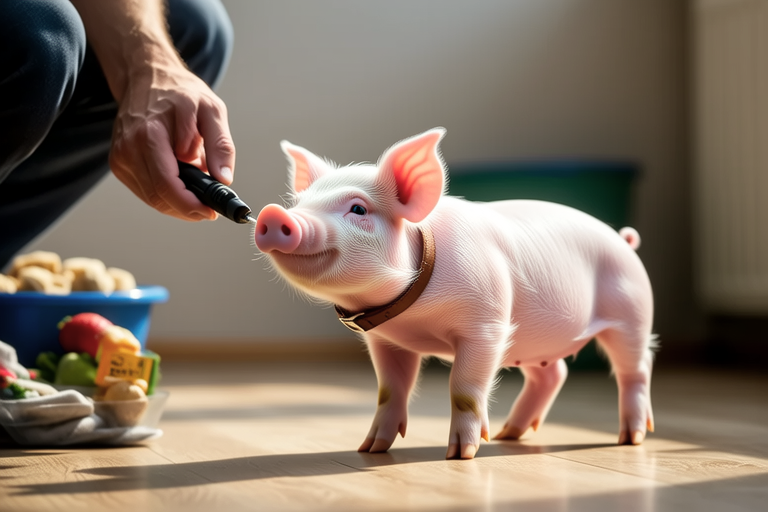
The Ultimate Guide to Training Your Mini Pig Like a Pro
Mini pigs have become increasingly popular as pets due to their small size, intelligence, and unique personalities. However, like any other pet, they require proper training to ensure they are well-behaved and happy. This comprehensive guide will provide you with everything you need to know about training your mini pig like a pro.
Understanding Mini Pig Behavior
Before diving into training techniques, it’s important to understand your mini pig’s behavior. Mini pigs are intelligent animals that can be trained to perform various tasks, but they also have distinct behavioral traits that must be taken into consideration.
One of the most notable behaviors of mini pigs is their curiosity. They love to explore their environment and investigate new objects. This natural curiosity can sometimes lead to destructive behavior if not properly managed. Another key trait is their social nature; mini pigs are highly social creatures that thrive on interaction with their human companions. They enjoy being petted, played with, and given attention.
It’s also worth noting that mini pigs are not naturally obedient animals. Unlike dogs, which have been bred for thousands of years to follow human commands, mini pigs are more independent thinkers. This independence means that training them requires patience, consistency, and positive reinforcement.
Essential Training Tips
When training your mini pig, it’s crucial to approach the process with a positive attitude and a clear plan. Here are some essential tips to keep in mind:
- Use Positive Reinforcement: Reward good behavior with treats, praise, or playtime. Avoid punishment-based training methods, as these can cause fear and aggression in your mini pig.
- Be Consistent: Use the same commands and cues each time you train your mini pig. Consistency helps your mini pig understand what is expected of them.
- Keep Sessions Short: Mini pigs have short attention spans, so keep training sessions brief (around 10-15 minutes) and frequent throughout the day.
- Make It Fun: Incorporate games and activities into your training sessions to make learning enjoyable for both you and your mini pig.
Step-by-Step Training Techniques
Now that you’re familiar with mini pig behavior and essential training tips, let’s dive into some specific training techniques. These step-by-step guides will help you teach your mini pig basic commands and behaviors.
Teaching Your Mini Pig to Come When Called
- Start Indoors: Begin training in a quiet, controlled environment such as your living room. This reduces distractions and allows your mini pig to focus on you.
- Use a Treat: Hold a treat in one hand and call your mini pig’s name while showing them the treat. As soon as they come to you, give them the treat and lots of praise.
- Gradually Increase Distance: Once your mini pig reliably comes when called indoors, start practicing in different rooms of your home. Gradually increase the distance between you and your mini pig as they improve.
- Practice Outside: Once your mini pig has mastered coming when called inside, move the training outside. Start in a fenced area and gradually introduce more distractions as your mini pig becomes more reliable.
Teaching Your Mini Pig to Sit
- Show a Treat: Hold a treat just above your mini pig’s nose and slowly raise it towards their forehead. As they lift their head to follow the treat, their bottom should naturally lower to the ground.
- Give the Command: As your mini pig sits, say “sit” clearly and confidently. Give them the treat and praise them immediately.
- Repeat: Practice this several times per session until your mini pig associates the command “sit” with sitting down.
Common Challenges and Solutions
Training your mini pig can be rewarding, but it’s not without its challenges. Here are some common issues you may encounter and how to address them:
Problem: My Mini Pig Doesn’t Respond to Commands
Solution: If your mini pig isn’t responding to your commands, it could be due to lack of attention, insufficient rewards, or inconsistent training. Try these steps:
- Ensure you have your mini pig’s full attention before giving a command.
- Increase the value of your rewards. Offer tastier treats or more exciting toys.
- Be consistent with your commands and rewards. Use the same words and actions each time.
Problem: My Mini Pig Is Destructive
Solution: Destructive behavior in mini pigs is often a result of boredom or frustration. To address this issue:
- Provide plenty of mental and physical stimulation through toys, puzzles, and playtime.
- Ensure your mini pig gets enough exercise each day.
- Redirect destructive behavior by offering appropriate chew toys.
Diet and Exercise Considerations for Training
A balanced diet and regular exercise are crucial for your mini pig’s overall health and well-being. Proper nutrition and physical activity can also positively impact your training efforts.
Diet
Your mini pig’s diet should consist of high-quality commercial mini pig food, fresh vegetables, and fruits. Avoid feeding them processed foods, sugary snacks, or table scraps. Consult with a veterinarian to determine the appropriate portion sizes based on your mini pig’s age, weight, and activity level.
Exercise
Mini pigs require daily exercise to stay healthy and maintain a good mood. Provide opportunities for your mini pig to run, play, and explore. Indoor mini pigs can benefit from obstacle courses, tunnels, and toys designed for pigs. Outdoor mini pigs should have access to a safe, enclosed area where they can dig, root, and forage.
Maintaining Discipline and Consistency
Consistency is key when training your mini pig. Establishing clear rules and boundaries early on will help prevent unwanted behaviors and reinforce good habits. Here are some tips for maintaining discipline and consistency:
- Set clear expectations for acceptable behavior.
- Enforce these expectations consistently every time.
- Use positive reinforcement to encourage desired behaviors.
- Stay patient and persistent during training sessions.
Remember, training your mini pig takes time and effort. With dedication and a positive approach, you’ll build a strong bond with your pet and create a well-behaved, happy companion.