
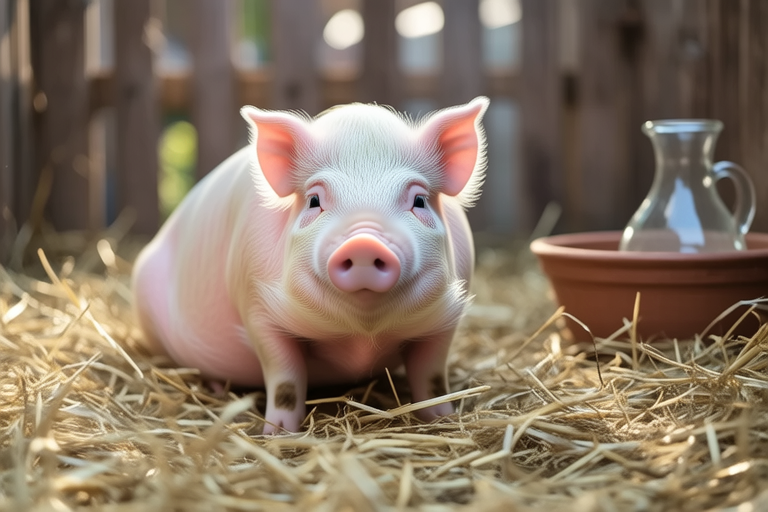
Guinea Pig Care 101: Everything You Need to Know Before Adopting
Welcome to Guinea Pig Care 101! If you’re considering adopting a guinea pig, you’re about to embark on a rewarding journey with one of the most delightful small animals around. Known for their gentle nature, playful personalities, and unique vocalizations, guinea pigs have become increasingly popular as pets. Their charming demeanor and low maintenance make them ideal companions for both children and adults. Before you bring a guinea pig into your home, it’s essential to understand their specific needs and how to provide a nurturing environment. This guide will walk you through everything from housing and diet to health care and socialization.
Understanding Your New Pet
Guinea pigs, also known as cavies, are native to South America and have been domesticated for centuries. They are social creatures that thrive on interaction and companionship. Their lifespan ranges from 4 to 8 years, offering a long-term commitment. With proper care, they can be a joyous addition to your family.
Housing Requirements
Proper housing is crucial for your guinea pig’s well-being. A spacious cage, ideally at least 7.5 square feet, provides enough room for your pet to move around, play, and explore. The cage should have a solid floor to prevent injuries from wire flooring and be lined with soft bedding such as paper-based products or fleece. Avoid cedar and pine shavings, as these can irritate your guinea pig’s respiratory system. Position the cage in a quiet area away from direct sunlight and drafts. Ensure adequate ventilation and include hideouts, tunnels, and toys to stimulate your pet’s natural instincts.
Dietary Needs
A balanced diet is key to maintaining your guinea pig’s health. These herbivores require a steady supply of hay, which should form the bulk of their diet. Fresh vegetables and fruits offer essential vitamins and minerals, but should be given in moderation. Always introduce new foods gradually to avoid digestive upset. Vitamins C supplements may be necessary if your guinea pig doesn’t get enough from its diet, as they cannot produce this vitamin themselves. Fresh water should be available at all times, either via a sipper bottle or a shallow dish.
Exercise and Playtime
Despite their compact size, guinea pigs need regular exercise to stay healthy. Daily out-of-cage time allows them to stretch their legs and engage in physical activities. Supervised play sessions in a safe, enclosed area ensure they don’t wander off or encounter dangers. Rotate toys and accessories to keep your pet entertained and mentally stimulated. Exercise wheels designed specifically for guinea pigs can be used, but always monitor your pet to ensure safety.
Grooming and Maintenance
Grooming is an essential part of caring for your guinea pig. Regular brushing helps remove loose fur and prevents matting. Long-haired breeds may require more frequent grooming. Trimming nails when needed prevents overgrowth and discomfort. Check ears and eyes regularly for any signs of infection or irritation. Bathing should be infrequent, typically only when necessary, to avoid disrupting your pet’s skin microbiome.
Health Care
Common health issues include dental problems, respiratory infections, and bumblefoot (pododermatitis). Watch for signs such as weight loss, lethargy, labored breathing, or changes in eating habits. Regular veterinary check-ups are vital for early detection and treatment of potential issues. Keep vaccinations up-to-date and maintain a clean living environment to reduce the risk of infections.
Socialization and Handling
Guinea pigs are social animals that benefit from interaction with humans and other guinea pigs. Spend time with your pet daily to build trust and strengthen the bond. Use gentle, consistent handling techniques to make interactions positive. Introduce your guinea pig to new environments gradually to minimize stress. Consider adopting a pair or trio of guinea pigs, as they often enjoy companionship. Ensure compatibility by introducing them slowly under supervision.
Choosing the Right Companions
When selecting a companion for your guinea pig, consider factors such as age, sex, and temperament. Same-sex pairs or groups tend to get along better than mixed-sex groups. Older guinea pigs may prefer the company of others their age, while younger ones might enjoy the liveliness of a peer. Introductions should be gradual, allowing each animal to become familiar with the other’s scent and behavior before full integration.
Creating a Happy, Healthy Environment
To ensure your guinea pig leads a happy, healthy life, provide a stimulating environment with plenty of opportunities for mental and physical engagement. Rotate toys and activities to prevent boredom. Offer a variety of textures and materials for chewing to promote dental health. Maintain a clean, comfortable living space and monitor for any signs of distress or discomfort. Regularly assess your pet’s emotional state and adjust care accordingly.
Resources for Further Learning
Becoming a responsible guinea pig owner involves continuous learning. Books, online forums, and local pet stores are excellent resources for gaining knowledge and support. Joining a community of guinea pig enthusiasts can provide valuable insights and advice. Stay informed about the latest advancements in guinea pig care and share experiences with fellow owners.
By following these guidelines, you’ll be well-prepared to welcome a guinea pig into your home and provide it with the love and care it deserves. Remember, a little effort goes a long way in ensuring your pet lives a long, healthy, and joyful life.