
The Vibrant World of Parrot Fish: Colors, Care, and Conservation
Parrot fish are some of the most visually striking creatures in the marine world, known for their vibrant colors and fascinating behaviors. These tropical fish are popular among both marine biologists and aquarium enthusiasts alike. This article will explore the colorful world of parrot fish, discussing their natural habitats, behaviors, and the care required when keeping them in home aquariums. Additionally, we’ll delve into conservation efforts aimed at protecting these magnificent fish from extinction.
Stunning Colors and Species Identification
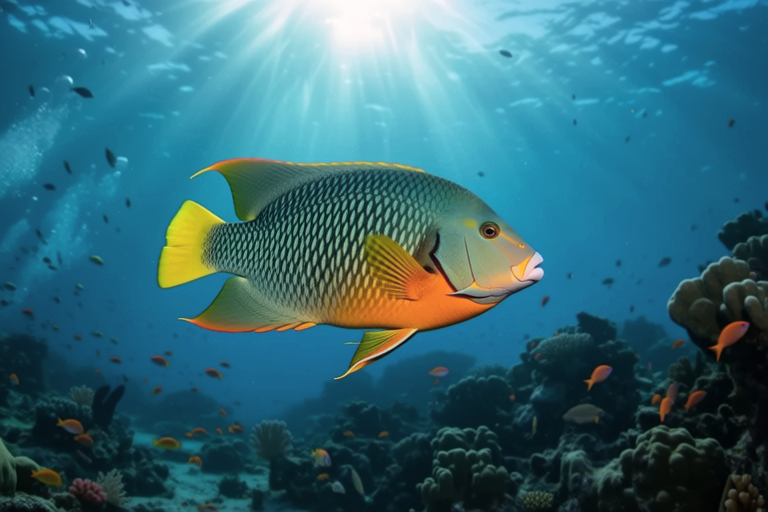
Parrot fish belong to the family Scaridae and are found in warm, tropical waters across the globe. One of the most recognizable features of parrot fish is their bright, varied coloration. The Queen parrotfish (Scarus vetula), for example, exhibits a range of colors from blue to green, while the Blue-green parrotfish (Scarus caeruleus) displays hues of blue and green. Another striking species is the Midnight parrotfish (Scarus coelestinus), which showcases shades of blue, purple, and silver.
These species are not only beautiful but also play crucial roles in maintaining coral reef ecosystems. Their unique beaks, used for scraping algae off rocks, help keep reefs healthy and clean. This feeding behavior is essential for the survival of many other marine organisms that depend on the reef for shelter and food.
Natural Habitats and Behaviors
Parrot fish inhabit coral reefs, rocky shores, and seagrass beds in tropical and subtropical oceans. They prefer areas with abundant algae growth, which serves as their primary food source. In the wild, these fish are diurnal, meaning they are active during the day and rest at night. At dusk, many species of parrot fish create sleeping bags out of mucus secreted from glands near their gills. This mucus cocoon helps protect them from predators and parasites.
Parrot fish are generally peaceful and social animals, often seen in schools or pairs. They communicate through body movements and sounds, which can vary depending on the species. Some parrot fish produce grunting or popping noises, while others may vibrate their bodies to signal distress or aggression.
Care Instructions for Aquariums
Maintaining parrot fish in a home aquarium requires careful attention to water quality, tank size, and diet. Below are detailed guidelines to ensure your parrot fish thrive in captivity:
Diet
In the wild, parrot fish primarily feed on algae and small invertebrates. In captivity, it’s important to replicate this diet as closely as possible. High-quality flake foods, frozen or live brine shrimp, and algae wafers are all suitable options. Additionally, offering a variety of fresh vegetables such as spinach, lettuce, and seaweed can provide essential nutrients. It’s crucial to avoid overfeeding, as excess food can lead to poor water quality.
Tank Setup
Aquariums housing parrot fish should be spacious, with a minimum volume of 100 gallons for a single adult fish. Larger tanks are preferable to accommodate their swimming habits and provide ample space for hiding spots and territories. A sandy substrate is ideal, as it mimics their natural environment and allows them to search for food as they would in the wild. Live rock and coral can also be added to enhance the tank’s aesthetics and provide additional hiding places.
Water parameters must be carefully monitored and maintained. Temperature should be kept between 72°F and 82°F, with a pH level of 8.1 to 8.4. Salinity should be around 1.020 to 1.025 specific gravity. Regular water changes (about 10-20% per week) and the use of a high-quality filtration system are essential for keeping the water clean and healthy.
Common Health Issues
Parrot fish are generally hardy, but they can still face health challenges if not properly cared for. Common issues include fin rot, ich (white spot disease), and parasitic infections. Early signs of illness may include lethargy, loss of appetite, or visible lesions. Prompt treatment with appropriate medications and improved water conditions can help prevent further complications.
Conservation Efforts and Threats
Despite their popularity in aquariums, many species of parrot fish are facing significant threats in the wild. Overfishing, habitat destruction, and climate change are the primary causes of population decline. Coral bleaching events, caused by rising sea temperatures, have devastated many reefs, leading to reduced food sources and shelter for parrot fish.
Conservation organizations and governments are working together to protect parrot fish and their habitats. Marine protected areas (MPAs) have been established in key regions to limit fishing activities and allow reefs to recover. Additionally, sustainable fishing practices and aquaculture initiatives aim to reduce pressure on wild populations while meeting demand for ornamental fish.
How You Can Help
There are several ways individuals can contribute to the conservation of parrot fish:
- Choose sustainably sourced fish: When purchasing parrot fish for aquariums, look for suppliers that follow responsible harvesting practices.
- Support conservation projects: Donations to reputable organizations can fund research, education, and protection efforts.
- Reduce your carbon footprint: By decreasing greenhouse gas emissions, you can help mitigate the effects of climate change on marine ecosystems.
By understanding and appreciating the vibrant world of parrot fish, we can take steps toward ensuring their continued existence in both wild and captive environments.
In conclusion, parrot fish are not only a delight to observe but also vital components of our ocean ecosystems. Through proper care in aquariums and concerted conservation efforts, we can help preserve these colorful creatures for future generations.