
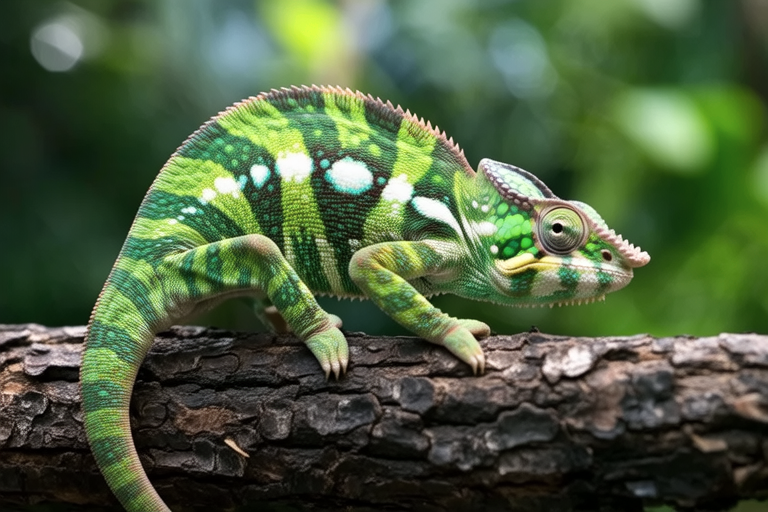
Chameleons Unveiled: Fascinating Facts About These Color-Changing Creatures
Chameleons have long been a source of fascination for people around the world. These small to medium-sized reptiles are known for their unique physical characteristics and behaviors that set them apart from other animals. From their remarkable ability to change color to their specialized eyes that offer 360-degree vision, chameleons are truly one-of-a-kind creatures. This article will delve into the fascinating world of chameleons, exploring their unique traits, natural habitats, diets, behaviors, and even how they can be cared for as pets.
The Unique Characteristics of Chameleons
One of the most well-known features of chameleons is their ability to change color. Contrary to popular belief, this ability is not primarily used for camouflage but rather for communication and temperature regulation. Chameleons have specialized cells called chromatophores beneath their skin that contain pigments. By expanding or contracting these cells, chameleons can produce a wide range of colors, from bright greens and reds to dark browns and blacks. This color-changing capability allows them to signal their mood, health, and intentions to other chameleons.
Another remarkable feature of chameleons is their eyes. Unlike most reptiles, chameleons have eyes that can move independently of each other, giving them a 360-degree field of vision. This adaptation is particularly useful for detecting potential threats and spotting prey. The chameleon’s eyes are also highly sensitive to movement, allowing them to track insects with precision. When a chameleon is ready to strike, it focuses both eyes on its target, providing depth perception for an accurate shot.
Chameleons are also equipped with long, sticky tongues that can extend up to twice the length of their body. This tongue is used for catching insects, their primary food source. The tip of the tongue is covered in a sticky substance that adheres to the prey, making it easy for the chameleon to reel in its meal. Once the prey is caught, the chameleon uses its powerful jaws to crush and consume it. This hunting technique is both efficient and effective, ensuring that the chameleon has enough energy to survive in its environment.
Natural Habitats and Diet
Chameleons are native to Africa, Madagascar, southern Europe, and parts of Asia. They thrive in warm, tropical climates with plenty of vegetation for cover and perching. Many species of chameleons live in trees, while others prefer shrubs and bushes. Their natural habitats include rainforests, savannas, and deserts, depending on the species. For example, the Jackson’s chameleon is found in the highlands of Kenya and Tanzania, while the panther chameleon inhabits the forests of Madagascar.
The diet of chameleons consists mainly of insects, including crickets, grasshoppers, and locusts. Some larger species may also eat small birds, lizards, and rodents. In captivity, chameleons require a varied diet of live insects to ensure they receive all the necessary nutrients. It’s important to note that chameleons are solitary animals and should not be housed together, as they may become stressed or aggressive towards one another.
Behavioral Traits
Chameleons are known for their territorial behavior, especially during mating season. Male chameleons often display vibrant colors and engage in elaborate displays to attract females. If two males encounter each other, they may engage in contests to establish dominance. These contests can involve puffing up their bodies, changing colors, and even head-bobbing. The winner of these contests typically gains access to the best territories and mates.
In addition to their colorful displays, chameleons also exhibit a variety of behaviors related to their environment. For instance, some species will flatten their bodies to blend in with tree trunks, while others will curl up into a ball to protect themselves from predators. Chameleons are also capable of climbing vertically, thanks to their specially adapted feet with gripping toes. This ability allows them to navigate their arboreal habitats with ease.
Interesting Facts About Different Species
There are over 200 species of chameleons, each with its own unique characteristics. One of the most famous species is the veiled chameleon (Chamaeleo calyptratus), which is native to Yemen and Saudi Arabia. This species is known for its distinctive casque, a bony crest on top of its head that can be inflated to display dominance or attract mates. Another notable species is the parson’s chameleon (Calumma parsonii), which is one of the largest chameleons in the world, reaching lengths of up to 27 inches.
The panther chameleon (Furcifer pardalis) is another species that is widely recognized for its striking colors. Males of this species can display a wide range of hues, including bright blues, pinks, and yellows, while females tend to have more subdued coloration. The Indian flap-legged chameleon (Chamaeleo zeylanicus) is unique in that it has webbed feet and flaps on its legs that it uses to communicate and attract mates. This species is also known for its ability to change color rapidly, sometimes within seconds.
Caring for Chameleons as Pets
If you’re considering keeping a chameleon as a pet, it’s essential to understand the specific needs of the species you choose. Chameleons require a spacious enclosure with plenty of vertical space for climbing. The enclosure should be well-ventilated and equipped with branches, vines, and plants for perching and hiding. A UVB light is necessary for proper calcium absorption and bone health, and a heat lamp should be provided to maintain the appropriate temperature gradient.
Feeding your chameleon a balanced diet is crucial for its health and longevity. In addition to live insects, you can supplement their diet with vegetables and fruits. It’s important to gut-load the insects with nutritious foods before feeding them to your chameleon. Regular misting of the enclosure is also necessary to provide fresh drinking water, as chameleons obtain much of their hydration through licking droplets off leaves and surfaces.
Finally, it’s important to handle your chameleon carefully and minimally, as excessive handling can cause stress. Chameleons are delicate creatures that require a stable and secure environment to thrive. With proper care and attention, a chameleon can make a fascinating and rewarding pet for those willing to meet its unique needs.
In conclusion, chameleons are truly remarkable creatures with many fascinating characteristics. From their ability to change color to their specialized eyes and tongues, these reptiles have adapted to their environments in ways that are both functional and beautiful. Whether you’re captivated by their natural behaviors or intrigued by the challenges of caring for them as pets, chameleons are sure to fascinate and inspire curiosity in anyone who takes the time to learn more about them.