
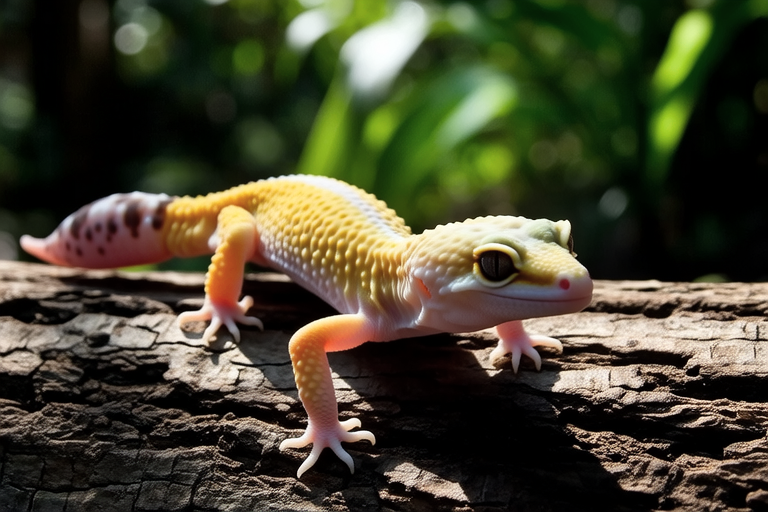
The Lifecycle and Adaptations of Chameleons
Chameleons, with their unique adaptations and fascinating life cycles, have long captured the imagination of people around the world. These captivating reptiles range from tiny hatchlings to fully grown masters of camouflage, showcasing an array of remarkable features that make them stand out in the animal kingdom. This article delves into the lifecycle, anatomy, behavior, and conservation efforts surrounding these intriguing creatures.
Early Stages: From Eggs to Hatchlings
The journey of a chameleon begins with eggs laid by the female. Depending on the species, the incubation period can last between three to six months. Once hatched, the tiny chameleons face numerous challenges in their early days. They are born with fully developed eyes, which allow them to focus on potential threats or prey. Their first meal often consists of small insects like ants or termites.
Chameleons grow rapidly during their juvenile stage, reaching adulthood within one to two years. As they mature, their distinctive traits become more pronounced, including their ability to change colors and their highly specialized eyes.
Anatomy and Unique Adaptations
Eyes
One of the most striking features of chameleons is their eyes. Unlike other lizards, chameleons have independently rotating eyes, allowing each eye to move in different directions simultaneously. This adaptation provides them with a nearly 360-degree field of vision, making it easier for them to spot predators and prey.
Their binocular vision also helps them judge distances accurately when aiming at distant targets. This capability is crucial for successful hunting, as chameleons rely on precise strikes to catch insects.
Tongues
A chameleon’s tongue is another remarkable feature, capable of extending up to twice its body length. The tongue is composed of muscles and a bone called the hyoid, which acts like a spring mechanism. When the chameleon darts its tongue, this spring releases energy, propelling the sticky tip towards its target.
The sticky mucus on the tip of the tongue adheres to insects, ensuring that they don’t escape once caught. This adaptation allows chameleons to capture prey from considerable distances, giving them an advantage over many other insectivorous animals.
Color-Changing Abilities
Perhaps the most famous trait of chameleons is their ability to change color. Contrary to popular belief, they don’t primarily use this skill to blend into their surroundings; instead, it serves multiple purposes, including communication, temperature regulation, and mood expression.
The process involves specialized cells called chromatophores, which contain pigments responsible for changing the chameleon’s appearance. By expanding or contracting these cells, chameleons can display a wide range of hues, from vibrant greens and blues to deep reds and browns.
Research has shown that certain species, such as the panther chameleon (Furcifer pardalis), can produce specific patterns or colors during courtship displays or territorial disputes. In some cases, males may even exhibit brighter colors than females to attract mates.
Variety of Species and Habitats
There are approximately 200 recognized species of chameleons, distributed across Africa, Madagascar, southern Europe, and parts of Asia. Each species has adapted to its environment, resulting in diverse physical characteristics and behaviors.
For example, the veiled chameleon (Chamaeleo calyptratus) is native to Yemen and Saudi Arabia, where it inhabits arid regions. In contrast, the Jackson’s chameleon (Trioceros jacksonii) thrives in the tropical forests of Kenya and Tanzania. Other notable species include the Parson’s chameleon (Calumma parsonii), found only on Madagascar, and the common chameleon (Chamaeleo chamaeleon), widespread throughout Europe.
Chameleons generally prefer environments rich in vegetation, offering ample hiding spots and perching areas. Many species live in trees, while others inhabit shrubs or rocky outcrops. Their arboreal lifestyle has led to the evolution of prehensile tails, which help them grip branches securely.
Diet and Hunting Techniques
As obligate insectivores, chameleons feed exclusively on insects. Their diet typically includes crickets, grasshoppers, beetles, and spiders. Some larger species may occasionally consume small vertebrates like geckos or baby birds.
Chameleons employ several techniques to locate and capture prey. Their excellent eyesight enables them to detect movement from great distances, while their independent eye rotation allows them to scan their surroundings efficiently. Once they’ve identified a potential meal, they’ll often freeze in place before launching their lightning-fast tongue strike.
Interestingly, some species, like the veiled chameleon, have been observed using a “sit-and-wait” strategy, remaining motionless until an unsuspecting insect ventures too close. Others, such as the Jackson’s chameleon, actively patrol their territory in search of food.
Communication and Social Behavior
Although chameleons are generally solitary creatures, they still engage in various forms of communication. As mentioned earlier, color changes play a significant role in conveying messages between individuals. Males may display bright colors during courtship rituals or confrontations with rivals, while females might signal their receptiveness to mating or warn off unwanted suitors.
In addition to visual cues, chameleons also use vocalizations to interact with one another. For instance, some species produce clicking sounds when competing for territory or defending themselves against predators. While these noises aren’t audible to humans, they serve as effective deterrents within the chameleon community.
Despite being largely solitary, chameleons do exhibit certain social behaviors. During breeding season, males may gather in groups known as leks, vying for attention from receptive females. After mating, however, both partners typically go their separate ways without further interaction.
Defensive Mechanisms
When threatened, chameleons employ a variety of defense strategies to protect themselves. One common tactic involves inflating their bodies to appear larger and more intimidating to potential attackers. Another method entails flattening their bodies against tree trunks or branches, blending seamlessly into their surroundings.
Some species, like the Oustalet’s chameleon (Furcifer oustaleti), possess spines along their back and tail, adding an extra layer of protection against predators. Additionally, chameleons can release a foul-smelling substance from glands near their cloaca when cornered, deterring would-be assailants.
While these defenses offer some level of security, chameleons ultimately rely on their speed and agility to escape danger. Their powerful legs enable quick bursts of movement, allowing them to leap between branches or flee to safety.
Conservation Efforts and Challenges
Despite their resilience, many chameleon populations face serious threats in the wild. Habitat destruction due to deforestation, agricultural expansion, and urbanization poses one of the greatest dangers to these reptiles. As human activities encroach upon natural habitats, chameleons lose essential resources necessary for survival.
Pollution and climate change also contribute to declining numbers. Rising temperatures and altered weather patterns can disrupt breeding cycles and alter food availability, further stressing already vulnerable populations.
To address these issues, numerous organizations and governments worldwide have launched initiatives aimed at protecting chameleon habitats and promoting sustainable practices. Conservationists work tirelessly to establish protected areas, restore degraded ecosystems, and raise awareness among local communities about the importance of preserving these iconic animals.
Additionally, captive breeding programs strive to bolster dwindling wild populations by reintroducing healthy specimens into suitable environments. Such efforts not only support genetic diversity but also provide valuable insights into chameleon biology and behavior.
Conclusion
From their remarkable eyes and tongues to their incredible color-changing abilities, chameleons continue to captivate audiences with their unique adaptations and behaviors. Understanding their lifecycle, anatomy, and environmental needs is crucial for ensuring the survival of these fascinating reptiles in the face of mounting challenges.
By supporting conservation efforts and advocating for responsible land use, we can help preserve chameleon populations for future generations. Whether through direct involvement or simply spreading awareness, everyone plays a vital role in safeguarding these extraordinary creatures and the ecosystems they inhabit.