
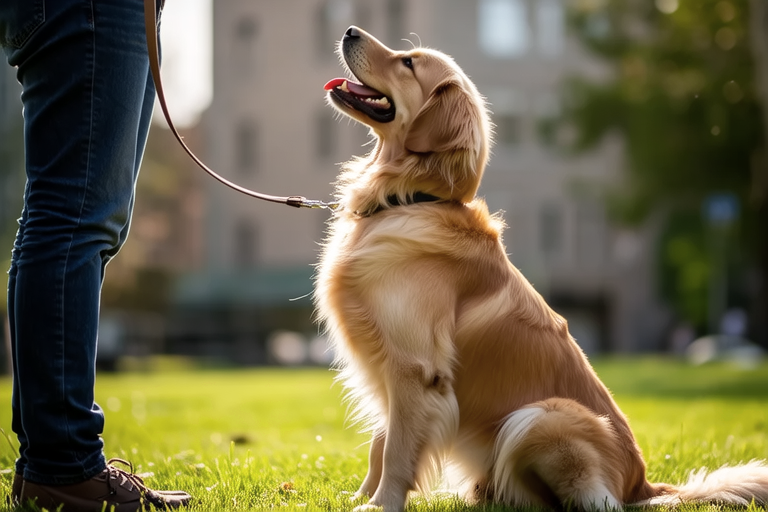
How to Train Your German Shepherd Like a Pro: Tips from Expert Dog Trainers
Introduction to the Importance of Training for German Shepherds:
German Shepherds are renowned for their loyalty, intelligence, and versatility. These traits make them excellent candidates for a variety of roles, from service dogs to police work. However, their inherent intelligence also means that they require structured training to channel their energy into positive behaviors. Proper training ensures that your German Shepherd is well-behaved, responsive, and capable of performing tasks that may be required in different settings. Training not only helps in managing their behavior but also strengthens the bond between you and your dog.
Key Principles of Positive Reinforcement and Consistency:
The foundation of effective German Shepherd training lies in positive reinforcement and consistency. Positive reinforcement involves rewarding desirable behaviors with treats, praise, or playtime. This method encourages your dog to repeat those behaviors because they lead to positive outcomes. Consistency is equally important; it ensures that your dog understands what is expected of them. All family members must use the same commands and follow the same rules, creating a clear and predictable environment for your German Shepherd.
Specific Training Techniques for Basic Commands (Sit, Stay, Come):
Sit: Start by holding a treat close to your dog’s nose and then slowly move it upwards. As your dog follows the treat, their head will lift, causing their bottom to lower into a sitting position. Once they sit, immediately say “sit” and give them the treat along with verbal praise. Repeat this process several times a day until your dog associates the word “sit” with the action.
Stay: Begin by asking your dog to sit. Hold your hand out, palm facing them, as a visual cue for “stay.” Take a few steps back and wait for a second or two before returning to reward them. Gradually increase the distance and duration as your dog becomes more comfortable with the command.
Come: Use a happy, excited tone when calling your dog. Reward them immediately upon their return. It’s crucial to ensure that the recall command is always associated with something positive, so avoid using it when your dog is in trouble.
Advanced Training Tips Suitable for German Shepherds’ Intelligence:
German Shepherds are highly intelligent and can learn complex tasks with proper training. Introduce puzzle toys and interactive games to stimulate their minds. Teach them advanced commands like “leave it,” “drop it,” and “go to bed.” Agility training is another great way to challenge their physical and mental capabilities. These activities not only keep your dog engaged but also provide them with a sense of accomplishment.
Common Challenges Faced During Training and Solutions:
One common challenge is distraction. German Shepherds can be easily distracted by their surroundings, other animals, or even their own curiosity. To combat this, practice training in various environments, gradually increasing the level of distraction. Another issue is aggression or possessiveness. Early socialization and consistent training can help prevent these behaviors. If they occur, seek professional guidance to address the underlying issues.
Nutritional and Health Considerations Impacting a Dog’s Trainability:
A healthy diet rich in proteins and fats supports your German Shepherd’s overall well-being, including their cognitive function. Avoid feeding them table scraps or foods high in sugar and fat. Regular exercise is also crucial, as it helps burn off excess energy and keeps them mentally sharp. Ensure your dog receives regular veterinary check-ups to identify any potential health issues that could affect their trainability.
Expert Insights from Professional Dog Trainers on Successful Methods:
Professional dog trainer, Sarah Thompson, emphasizes the importance of building trust and respect with your dog. “Training should be a collaborative effort where both the owner and the dog are learning,” she says. “It’s about understanding your dog’s body language and responding appropriately.” Another expert, Mark Davis, advises patience. “Training takes time, and every dog learns at their own pace. Celebrate small victories and maintain a positive attitude throughout the process.”
Encouragement for Continuous Learning and Adaptation in Training:
Training your German Shepherd is a lifelong commitment that requires continuous learning and adaptation. Stay informed about new training techniques and tools available. Attend workshops, seminars, and classes to enhance your skills. Be open to feedback and willing to adjust your approach based on what works best for your dog. Remember, the goal is not just to teach commands but to foster a strong, trusting relationship with your loyal companion.