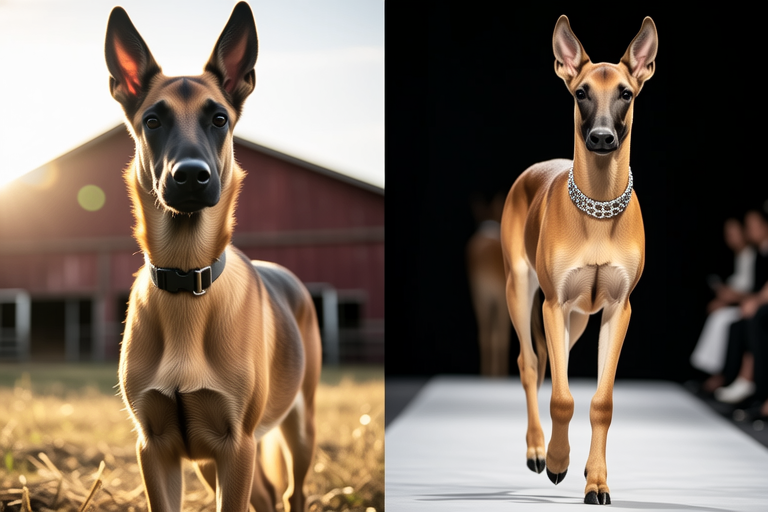
The Multifaceted Roles and Transformations of German Shepherds
German Shepherds have long been recognized for their intelligence, versatility, and adaptability, making them one of the most versatile dog breeds in the world. Originally bred as farmyard helpers, these dogs have undergone significant transformations over the years, evolving from traditional farmhands to modern-day icons on fashion runways. This article explores the multifaceted roles and transformations of German Shepherds, highlighting their historical significance, unique traits, and the impact of their presence in various sectors.
Historical Significance in Farm Settings
German Shepherds originated in Germany in the late 19th century when Captain Max von Stephanitz sought to create an ideal herding dog. He aimed to develop a breed that could assist farmers in managing livestock efficiently. These dogs were known for their strong work ethic, loyalty, and protective instincts, making them invaluable companions on farms. Their ability to herd sheep and other animals, combined with their keen sense of smell, made them excellent farm helpers. They could also guard the farm against potential threats, ensuring the safety of both livestock and property.
Transition into Military and Police Work
As the demand for reliable working dogs grew, German Shepherds began to transition into military and police work. During World War I, they were employed as messenger dogs, guarding posts, and even participating in search and rescue missions. Their natural instincts and trainability made them perfect candidates for these roles. After the war, law enforcement agencies recognized the potential of German Shepherds and started incorporating them into their teams. Today, these dogs are widely used by military and police forces around the world. They excel in tasks such as drug detection, bomb disposal, and tracking suspects, thanks to their sharp senses and unwavering loyalty.
Emergence in Search and Rescue Operations
German Shepherds have also played a crucial role in search and rescue operations. Their exceptional sense of smell and ability to locate people in difficult terrain make them indispensable in disaster response situations. Whether it’s finding survivors buried under rubble after an earthquake or locating missing hikers in dense forests, these dogs have proven time and again their worth in saving lives. Their calm demeanor and problem-solving skills allow them to remain focused during high-stress situations, making them ideal candidates for search and rescue missions.
Becoming Popular Family Pets
In addition to their professional roles, German Shepherds have become increasingly popular as family pets. Their loyalty, protectiveness, and affection towards their human families make them wonderful companions. However, owning a German Shepherd requires commitment and proper training. These dogs need regular exercise and mental stimulation to stay happy and healthy. With the right guidance, they can be loving and devoted members of any household. Many families appreciate the bond they share with their German Shepherds, finding joy in their playful nature and unwavering loyalty.
Recent Emergence in Fashion Industry
Recently, German Shepherds have emerged as influencers in the fashion industry. From high-end fashion shows to street style, these dogs have become a symbol of luxury and sophistication. Celebrities and influencers often showcase their German Shepherds in social media posts, further cementing their status as fashionable pets. The trend has sparked interest in designer dog accessories, with many brands offering stylish collars, leashes, and outfits for these iconic dogs. This newfound popularity has not only boosted the visibility of German Shepherds but also raised awareness about responsible pet ownership and the importance of proper training.
Training and Unique Traits
The success of German Shepherds in various roles can be attributed to their unique traits and ease of training. They are highly intelligent and eager to please, which makes them quick learners. Positive reinforcement techniques, such as treats and praise, are particularly effective in shaping their behavior. Additionally, their strong work ethic and natural instincts make them well-suited for a wide range of tasks. Whether it’s herding sheep, protecting property, or assisting in search and rescue operations, German Shepherds consistently demonstrate their adaptability and reliability.
Impact of Their Presence in Various Sectors
The presence of German Shepherds in various sectors has had a profound impact on society. In military and police work, they provide valuable support to officers, enhancing public safety and security. In search and rescue operations, they save countless lives by locating survivors in dangerous situations. As family pets, they bring joy and companionship to households across the globe. And now, as fashion influencers, they inspire admiration and appreciation for their beauty and grace. The versatility and adaptability of German Shepherds continue to shape their roles and influence in different areas of life.
Conclusion
From traditional farmyard helpers to modern-day icons on fashion runways, German Shepherds have undergone remarkable transformations throughout history. Their intelligence, versatility, and adaptability have enabled them to excel in various roles, including military and police work, search and rescue operations, and as beloved family pets. As they continue to capture the hearts of people worldwide, it is clear that German Shepherds will remain an integral part of our lives for generations to come. Their presence in different sectors highlights the enduring value and impact of these remarkable dogs.
