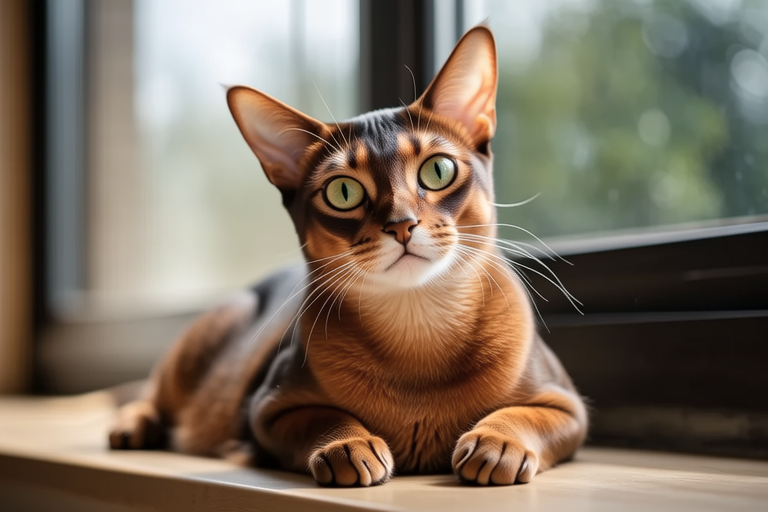
Decode Your Abyssinian’s Behavior: A Guide for Every Curious Owner
Welcome, Abyssinian enthusiasts! Whether you’re a first-time owner or a seasoned cat lover, understanding your Abyssinian’s behavior can greatly enrich your relationship with this intelligent and energetic breed. This guide will help you decode your Abyssinian’s actions, provide insights into their unique habits, and offer practical advice for maintaining their well-being.
Understanding Abyssinian Behavior
Abyssinians are known for their striking appearance and lively personalities. They are descendants of ancient Egyptian cats, and their genetic makeup has contributed to their distinctive traits. These cats are highly active, curious, and love to explore their surroundings. Their behavior is often influenced by their environment, health, and social interactions.
Typical Abyssinian Behaviors
Abyssinians are natural hunters and often display predatory behaviors like stalking and pouncing. They also enjoy climbing and perching at high vantage points, which is why they often seek out elevated spaces in your home. Their curiosity leads them to investigate new objects and environments, making them excellent companions for interactive play.
Body Language
Understanding your Abyssinian’s body language is key to interpreting their moods and needs. For instance, a relaxed Abyssinian will have a soft, slow blink, indicating contentment. Conversely, wide, staring eyes might signal alertness or anxiety. Tail positions are equally telling; a high, straight tail shows confidence, while a low or tucked tail could indicate fear or submission.
Common Habits of Abyssinians
Abyssinians are known for certain habits that reflect their nature. Here are some of the most common:
Playfulness
These cats are extremely playful and thrive on interactive toys. Providing them with puzzle feeders or laser pointers can keep them mentally stimulated and prevent boredom-related behaviors. Scientifically, it’s been observed that Abyssinians exhibit higher levels of playfulness compared to other breeds, making playtime essential for their mental and physical health.
Predatory Instincts
Abyssinians retain strong hunting instincts. They may bring you ‘gifts’ like feathers or small insects, showcasing their natural inclination to hunt. Encouraging appropriate outlets for these instincts through toys can channel their energy positively.
Bonding with Your Abyssinian
Building a strong bond with your Abyssinian requires patience and consistency. Here are some tips to strengthen your connection:
Interactive Playtime
Spend quality time playing with your Abyssinian. Interactive play sessions not only entertain but also reinforce your bond. Use toys that mimic prey movements to engage their hunting instincts.
Positive Reinforcement
Use treats and praise to reward good behavior. Positive reinforcement helps establish trust and encourages desirable behaviors. Consistency in training and rewarding can lead to a more obedient and affectionate Abyssinian.
Addressing Behavioral Issues
While Abyssinians are generally well-behaved, occasional behavioral issues may arise. Here’s how to address them:
Aggression
If your Abyssinian becomes aggressive, it’s important to identify the trigger. Common causes include territorial disputes, overstimulation, or pain. Redirect their attention to a toy or provide a safe space for them to calm down. Consulting a veterinarian can also help rule out underlying medical issues.
Separation Anxiety
Abyssinians are social animals and may experience separation anxiety when left alone for extended periods. To mitigate this, leave them with interactive toys or consider getting another Abyssinian as a companion. Gradually increasing the duration of your absences can also help desensitize them to being alone.
Maintaining Well-Being
Ensuring your Abyssinian’s well-being involves regular veterinary care, proper nutrition, and a stimulating environment.
Veterinary Care
Schedule routine check-ups with your vet to monitor your Abyssinian’s health. Early detection of potential issues can prevent complications. Vaccinations and parasite control are crucial for maintaining their health.
Nutrition
Feed your Abyssinian a balanced diet rich in proteins and fats, similar to what they would eat in the wild. Consult your vet for specific dietary recommendations based on your cat’s age and activity level.
Stimulating Environment
Create an enriching environment with scratching posts, climbing structures, and hiding spots. Environmental enrichment is vital for their mental and physical health. Rotate toys periodically to maintain their interest.
Conclusion
Decoding your Abyssinian’s behavior is a journey of discovery and learning. By understanding their unique traits and providing a nurturing environment, you can foster a deep and meaningful bond with your feline companion. Remember, every Abyssinian is an individual with their own preferences and quirks. Stay patient, observant, and loving, and you’ll enjoy a rewarding relationship with your beloved pet.
