
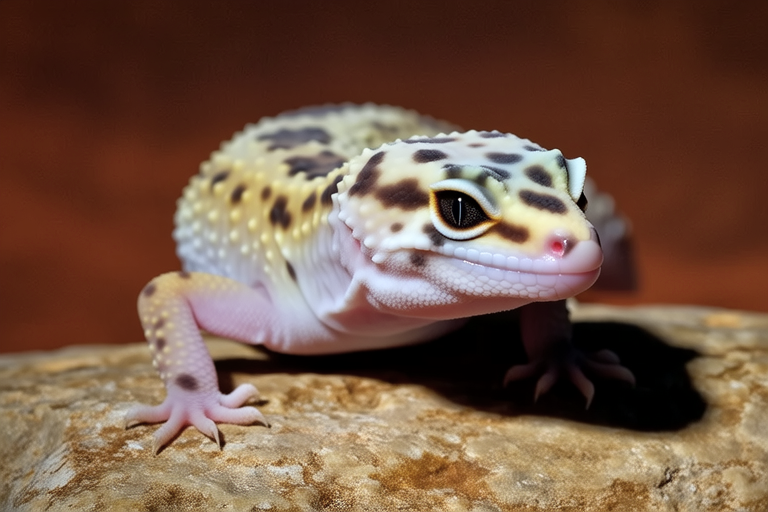
Top 10 Myths Busted: Caring for Your Leopard Gecko Like a Pro
Leopard geckos have become one of the most popular reptile pets due to their docile nature, ease of care, and vibrant appearance. These charming creatures come in a variety of colors and patterns, making them appealing to both novice and experienced pet owners. However, despite their popularity, there are many misconceptions about how to properly care for these lizards. This article aims to debunk ten common myths surrounding leopard gecko care, providing you with the knowledge to keep your pet healthy and happy.
Myth 1: Leopard Geckos Can Eat Any Insect
Myth: Many people believe that leopard geckos can eat any insect, but this is far from true. Offering inappropriate or contaminated food can lead to serious health issues.
Factual Correction: Leopard geckos thrive on a diet primarily consisting of crickets and dubia roaches. It’s crucial to gut-load insects with nutritious foods before feeding them to your gecko. Avoid offering wild-caught insects, as they may carry parasites or harmful chemicals. Additionally, mealworms and superworms should be fed sparingly, if at all, due to their hard exoskeletons which can cause impaction.
Myth 2: All Substrates Are Safe for Leopard Geckos
Myth: Some owners mistakenly assume that all substrates are suitable for their geckos.
Factual Correction: Not all substrates are safe for leopard geckos. Fine sand, wood shavings, and other loose materials can cause impaction when ingested. Instead, opt for safer alternatives like paper towels, reptile carpet, or tile flooring. These options are easy to clean and maintain, reducing the risk of health problems.
Myth 3: Leopard Geckos Don’t Need Special Lighting
Myth: Another misconception is that leopard geckos don’t require specific lighting.
Factual Correction: While leopard geckos are nocturnal and don’t bask under UVB lights like some other reptiles, providing a photoperiod (a consistent day-night cycle) helps regulate their circadian rhythms. Use a low-wattage red or blue bulb to simulate nighttime conditions, ensuring they get adequate rest.
Myth 4: Leopard Geckos Don’t Need Water
Myth: Some owners think that since leopard geckos are desert-dwelling animals, they don’t need water.
Factual Correction: Leopard geckos do require access to fresh water daily. A shallow dish large enough for them to soak in can help prevent dehydration and aid in shedding. Regular misting also benefits their environment, maintaining humidity levels between 30% and 40%.
Myth 5: Leopard Geckos Don’t Need Heat
Myth: Another prevalent belief is that leopard geckos can survive without heat.
Factual Correction: Maintaining the right temperature gradient is essential for proper digestion and overall health. The cool side of the enclosure should be around 78°F (26°C), while the warm side should reach approximately 88°F (31°C). Use under-tank heating pads or ceramic heat emitters to achieve these temperatures safely.
Myth 6: Handling Is Harmless
Myth: Some owners believe that frequent handling won’t affect their gecko.
Factual Correction: While leopard geckos are generally calm and tolerate handling well, excessive handling can stress them out. Limit handling sessions to once or twice a week, and always support their body fully to avoid injury. Wash hands thoroughly before and after handling to prevent transferring bacteria or oils.
Myth 7: Leopard Geckos Are Nocturnal and Don’t Require Sleep
Myth: There’s a common misunderstanding that because leopard geckos are nocturnal, they don’t sleep.
Factual Correction: Although leopard geckos are active during the night, they still require periods of rest. Providing a hide box with a secure entrance allows them to retreat and feel safe. Ensuring a consistent light cycle aids in establishing regular sleeping patterns.
Myth 8: Breeding Leopard Geckos Is Simple
Myth: Some owners believe that breeding leopard geckos is straightforward.
Factual Correction: Breeding leopard geckos requires careful planning and attention to detail. Proper husbandry, including appropriate temperature cycles and diet adjustments, is necessary for successful breeding. Consult with experienced breeders or veterinarians to understand the complexities involved.
Myth 9: Leopard Geckos Don’t Get Sick
Myth: There’s a misconception that leopard geckos are immune to diseases.
Factual Correction: Like any animal, leopard geckos can suffer from various health issues, including metabolic bone disease, respiratory infections, and parasites. Regular veterinary check-ups, proper hygiene practices, and monitoring for signs of illness are vital for maintaining their wellbeing.
Myth 10: Leopard Geckos Hibernate
Myth: Some owners think that leopard geckos hibernate.
Factual Correction: Leopard geckos do not hibernate; instead, they brumate. During brumation, they become less active and may refuse food. To induce brumation, gradually lower the ambient temperature and reduce feeding over several weeks. Once brumation ends, slowly return the enclosure to its usual temperature and resume normal feeding schedules.
Tips for New Owners
Caring for a leopard gecko involves more than just providing food and shelter. Here are some tips to ensure your gecko enjoys a long and healthy life:
- Provide a spacious enclosure with plenty of hiding spots.
- Use thermometers and hygrometers to monitor temperature and humidity levels.
- Feed a balanced diet rich in calcium and vitamin D3.
- Handle your gecko gently and infrequently.
- Keep the enclosure clean to prevent bacterial growth.
- Visit a veterinarian specializing in exotic pets regularly.
- Be patient and observant, adjusting care based on your gecko’s individual needs.
By understanding and addressing these common myths, you’ll be better equipped to provide the best possible care for your leopard gecko. With proper knowledge and dedication, you can enjoy a rewarding relationship with these fascinating creatures.