
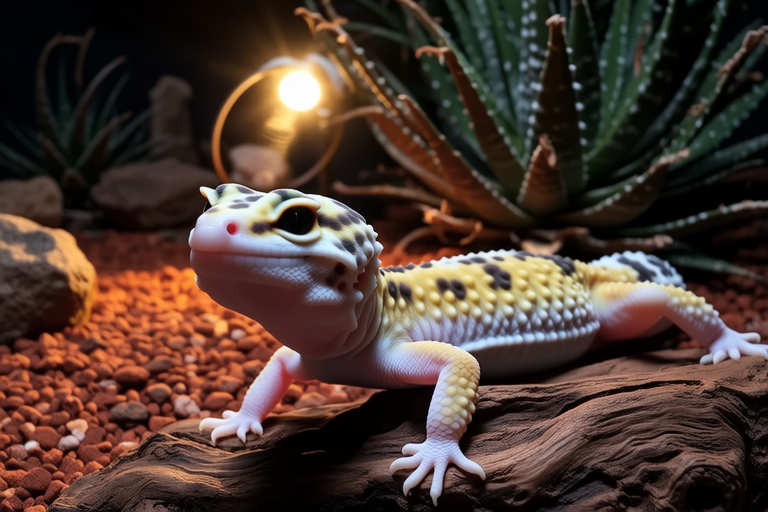
How to Create the Ultimate Habitat for Your Leopard Gecko
Welcome to your guide on creating the perfect habitat for your leopard gecko. Whether you’re a first-time owner or an experienced reptile keeper, this comprehensive article will help you understand the essential components of a healthy and comfortable living space for your pet.
Necessary Habitat Components
Temperature Gradients
Leopard geckos require a temperature gradient within their enclosure to thermoregulate properly. This means they need different temperatures in various parts of their habitat to maintain optimal body temperature. The warm side of the tank should be around 90°F (32°C), while the cool side should be about 75°F (24°C). You can achieve this by placing a heat mat or under-tank heater on one side of the tank. It’s crucial to monitor these temperatures with a reliable thermometer.
Appropriate Substrate
The substrate you choose for your leopard gecko’s habitat plays a significant role in its health and comfort. Avoid substrates that pose a risk of impaction, such as sand, gravel, or walnut shells. Instead, opt for safe options like paper towels, reptile carpet, or eco-friendly bedding materials like coconut fiber or aspen shavings. These substrates are easy to clean and pose minimal risks to your gecko.
Hiding Spots
Leopard geckos are naturally shy and nocturnal animals, so providing them with plenty of hiding spots is essential. These spaces allow your gecko to feel secure and reduce stress. Use commercially available hide boxes or create DIY hides using plastic containers with entrance holes. Ensure that the hiding spots are large enough for your gecko to fit comfortably but small enough to provide a sense of security.
Lighting
Leopard geckos are crepuscular, meaning they are most active during twilight hours. While they don’t require UVB lighting, providing a low-wattage red bulb can help simulate nightfall and encourage natural behaviors. Ensure that the light source does not emit excessive heat, which could disrupt the temperature gradient.
Suitable Tank Size
Adequate space is vital for your leopard gecko’s physical and mental well-being. A standard 20-gallon long tank is sufficient for one adult leopard gecko. However, if you plan to house multiple geckos or provide more elaborate decorations, consider a larger enclosure. Always ensure that the tank dimensions allow for proper temperature gradients and adequate hiding spots.
Humidity Levels
Leopard geckos come from arid environments, so maintaining low humidity levels in their habitat is crucial. Aim for humidity between 30% and 40%. To achieve this, avoid misting the tank and ensure proper ventilation. If you notice condensation forming on the glass, it may indicate high humidity, and you should take steps to lower it.
Cleaning Routines
Regular cleaning is essential to prevent bacterial growth and keep your gecko healthy. Spot clean the enclosure daily, removing waste and uneaten food. Perform a thorough cleaning every two weeks, replacing the substrate and disinfecting all surfaces. Use a reptile-safe cleaner and rinse thoroughly before returning your gecko to its habitat.
Tips for Decorating the Enclosure
To mimic your gecko’s natural environment, incorporate elements like rocks, branches, and plants. These additions not only enhance the aesthetic appeal of the tank but also provide enrichment opportunities for your pet. When selecting decor items, ensure they are safe, non-toxic, and free from sharp edges. Securely anchor any climbing structures to prevent accidents.
Ensuring Safety and Comfort
Creating a safe and comfortable habitat involves careful consideration of all components. Avoid using decorations that could trap or injure your gecko, and always supervise when introducing new items. Regularly check the enclosure for potential hazards and address any issues promptly.
Common Mistakes to Avoid
- Overheating: Excessive heat can lead to dehydration and other health issues. Always monitor temperatures and adjust heating devices as needed.
- Inadequate Hiding Spots: Providing insufficient hiding areas can cause stress and anxiety. Ensure there are multiple options for your gecko to retreat into.
- Improper Substrate: Using unsafe substrates can result in impaction or ingestion-related problems. Stick to recommended options for your gecko’s safety.
- Lack of Humidity Control: Failing to maintain appropriate humidity levels can affect your gecko’s respiratory system and skin health. Monitor and adjust as necessary.
By following these guidelines and avoiding common pitfalls, you’ll create an ideal habitat for your leopard gecko, ensuring its happiness and longevity.