
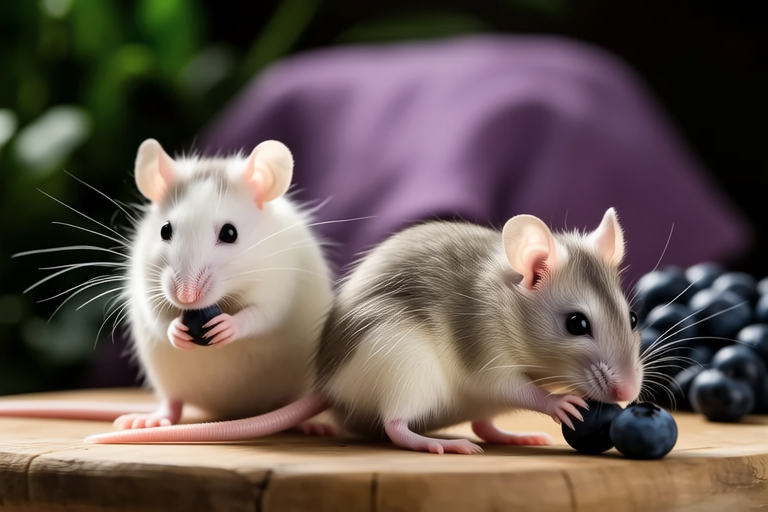
Tiny Tail Waggers: Discover the Charm of Keeping Fancy Rats
Fancy rats, also known as domesticated brown rats or laboratory rats, have been cherished companions for centuries. Despite their small size, these rodents offer a wealth of affection, intelligence, and entertainment. Often misunderstood, fancy rats are gentle, intelligent creatures that thrive on interaction and mental stimulation. This article aims to introduce you to the world of fancy rats, dispel common myths, and provide essential information for those considering these delightful pets.
What Are Fancy Rats?
Fancy rats are selectively bred from the wild brown rat (Rattus norvegicus). They come in various colors and patterns, making them visually appealing. Unlike their wild counterparts, fancy rats are docile, friendly, and well-suited for life as a pet. Their lifespan ranges from two to three years, offering ample time for bonding and companionship.
Dispelling Myths About Rats
Rats have long been associated with negative stereotypes, but these perceptions are often unfounded. Here are some common misconceptions:
- Rats are dirty animals. In reality, rats are clean and spend much of their day grooming themselves. Proper hygiene practices, including regular cleaning of their living spaces, help maintain their cleanliness.
- Rats carry diseases easily. While it’s true that all animals can carry germs, the risk is minimal when proper hygiene is maintained. Regular veterinary check-ups and vaccinations can further reduce any risks.
- Rats are aggressive and bite frequently. With proper handling and socialization, rats are gentle and rarely aggressive. Biting usually occurs due to fear or improper handling.
Intelligence and Social Nature
Fancy rats are highly intelligent and curious, capable of learning tricks and solving puzzles. They enjoy interacting with humans and other rats, forming strong bonds. Their social nature makes them excellent companions, and they thrive in pairs or groups.
Ease of Care
Despite their small size, rats require specific care to ensure their health and happiness. Providing a suitable environment, a balanced diet, and regular health checks are crucial for their wellbeing.
Proper Housing
Rats need a spacious cage that allows room for exercise and exploration. A wire cage with multiple levels and ramps is ideal, ensuring they have plenty of space to move around. The cage should be placed in a quiet area away from direct sunlight and drafts. Line the cage with bedding material like fleece or paper-based substrates for comfort and easy cleaning.
Diet
A balanced diet is vital for maintaining your rat’s health. Provide a mix of high-quality pellets designed specifically for rats, supplemented with fresh fruits, vegetables, and occasional treats. Avoid feeding sugary snacks or foods high in fat, which can lead to obesity and other health issues.
Health Care
Regular veterinary check-ups are essential for early detection of any health issues. Common ailments include respiratory infections, dental problems, and tumors. Vaccinations are not typically required unless the rat will be exposed to certain environments or conditions.
Bonding and Training
The bonding process with your rat begins with gentle handling and consistent interaction. Spend time with your rat daily, allowing them to become comfortable with your presence. Gradually introduce new experiences, such as different toys or environments, under supervision.
Training rats is both fun and rewarding. They can learn simple commands and tricks through positive reinforcement techniques, using treats as rewards. Interactive toys and games keep their minds engaged and prevent boredom.
Tips for First-Time Owners
Starting with a pair or group of rats ensures companionship and reduces stress. Choose healthy, active rats from reputable breeders or shelters. Prepare the living space before bringing your new pets home, ensuring everything is in place for their arrival.
Be patient and observant during the bonding process. Each rat has its own personality, so adapt your approach accordingly. Join online communities or local clubs to connect with fellow rat enthusiasts and gain valuable insights.
Resources for Further Learning
To deepen your knowledge about fancy rats, consider reading books, watching videos, or attending workshops focused on rodent care. Websites dedicated to fancy rats offer comprehensive guides, forums, and advice from experienced owners. Libraries and bookstores may have titles on small animal husbandry, providing additional resources for your journey.
In conclusion, fancy rats are charming, intelligent companions that bring joy and companionship into our lives. By understanding their needs and providing appropriate care, you can create a loving relationship with these tiny tail waggers. Embrace the opportunity to welcome these delightful creatures into your home and experience the unique bond that comes with owning a fancy rat.