
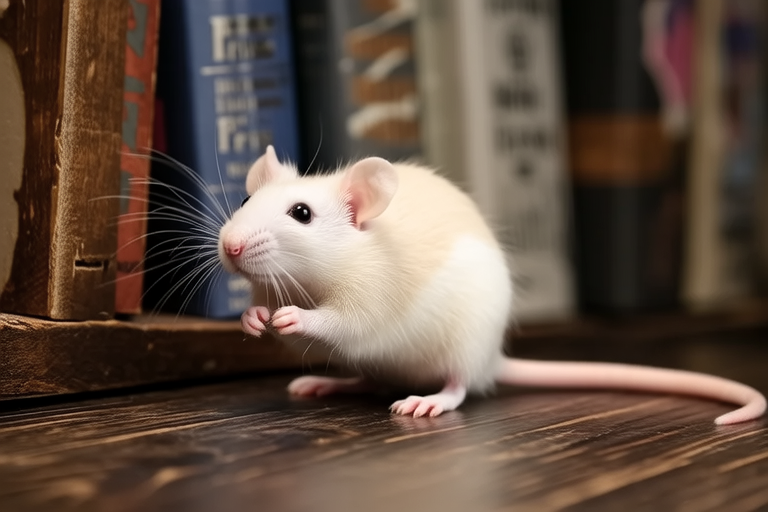
The Ultimate Guide: Caring for Your Fancy Rat Like a Pro
Fancy rats are intelligent, social, and playful pets that can make wonderful companions. However, they require proper care to thrive and remain healthy. This comprehensive guide will walk you through everything you need to know about caring for your fancy rat, from choosing the right cage to understanding their grooming needs and common mistakes to avoid.
Choosing the Right Cage
Selecting the appropriate cage is crucial for your rat’s comfort and well-being. The cage should be spacious enough for your rat to move around freely, with plenty of room for exercise and play. A minimum size of 36 inches by 18 inches by 18 inches (91 cm x 46 cm x 46 cm) is recommended for a single rat, and it’s best to provide even more space if you have multiple rats.
Ensure the cage has adequate ventilation, as rats need fresh air. Avoid cages made of wire or mesh flooring, as these can cause foot injuries. Opt for solid flooring or provide soft bedding to protect your rat’s feet. Additionally, choose a cage with easy-to-clean surfaces, as rats can be messy and require regular cleaning.
Essential Bedding and Toys
Providing suitable bedding is vital for your rat’s comfort and hygiene. Choose bedding made from recycled paper, such as Carefresh, which is safe, absorbent, and dust-free. Avoid cedar and pine shavings, as they can irritate your rat’s respiratory system.
Rats enjoy chewing and exploring, so offer a variety of toys to keep them mentally stimulated. Cardboard boxes, untreated wooden blocks, and chew toys are excellent choices. Rotate toys periodically to prevent boredom and encourage different forms of play. Providing tunnels, hammocks, and climbing structures will also help your rat stay active and entertained.
Diet and Nutrition Tips
A balanced diet is essential for maintaining your rat’s health. Offer a high-quality commercial rat food, which contains all the necessary nutrients. Supplement this with fresh vegetables and fruits, such as carrots, broccoli, and apples, but limit treats to avoid obesity. Avoid feeding your rat sugary or fatty foods, as these can lead to health issues.
Ensure your rat always has access to clean, fresh water. Use a sipper bottle to prevent spills and contamination. Change the water daily and clean the bottle regularly to maintain hygiene.
Health Care Basics
Regular veterinary check-ups are crucial for keeping your rat healthy. Find a veterinarian experienced in treating small animals. Schedule routine visits for vaccinations and preventive care, as well as annual health examinations.
Watch for signs of illness, such as lethargy, weight loss, discharge from the eyes or nose, or changes in appetite or bathroom habits. Early detection and treatment of health issues can improve outcomes. Maintain a clean living environment and practice good hygiene when handling your rat to minimize the risk of infections.
Grooming Needs
Regular grooming helps keep your rat clean and comfortable. Brush your rat’s coat weekly with a soft brush to remove loose hair and distribute natural oils. Check for any signs of skin irritation or parasites during brushing sessions. Trim your rat’s nails every few weeks if needed, using nail clippers designed for small animals. Be cautious not to cut the quick, which can cause bleeding and pain.
Handling Techniques
Proper handling is important for building trust and ensuring your rat feels secure. Approach your rat calmly and gently, allowing it to become accustomed to your presence. Place one hand under its chest and support its hindquarters with the other hand. Never lift your rat by its tail, as this can cause injury. Always handle your rat with care and respect its boundaries.
Socializing Advice
Rats are social creatures that benefit from interaction and companionship. Spend time playing and bonding with your rat each day. Engage in activities like hide-and-seek, fetch, or simply cuddling. If possible, introduce your rat to other rats of the same sex to provide companionship. Ensure introductions are supervised and gradual to avoid aggression.
Common Mistakes to Avoid
Some common mistakes to avoid include overcrowding, neglecting hygiene, and providing insufficient mental stimulation. Overcrowding can lead to stress and aggression, while poor hygiene can cause infections and diseases. Insufficient mental stimulation can result in boredom and destructive behavior.
Another mistake is feeding inappropriate foods. Rats have specific dietary needs, and offering the wrong foods can lead to health problems. Lastly, avoid handling your rat roughly or leaving it unsupervised, as this can cause fear and anxiety.
In conclusion, caring for your fancy rat requires attention to detail and commitment. By following the guidelines outlined in this ultimate guide, you can ensure your rat lives a long, happy, and healthy life. Remember to provide a suitable living environment, a nutritious diet, and plenty of love and attention. With the right care, your fancy rat will be a delightful and rewarding companion.