
Chilean Rose Tarantula Care Guide: Tips for New and Experienced Owners
Welcome to your comprehensive guide on caring for Chilean Rose Tarantulas (Grammostola rosea). Whether you’re a novice or an experienced arachnid enthusiast, this guide will provide you with the essential knowledge needed to ensure your pet’s well-being.
Understanding Your Chilean Rose Tarantula
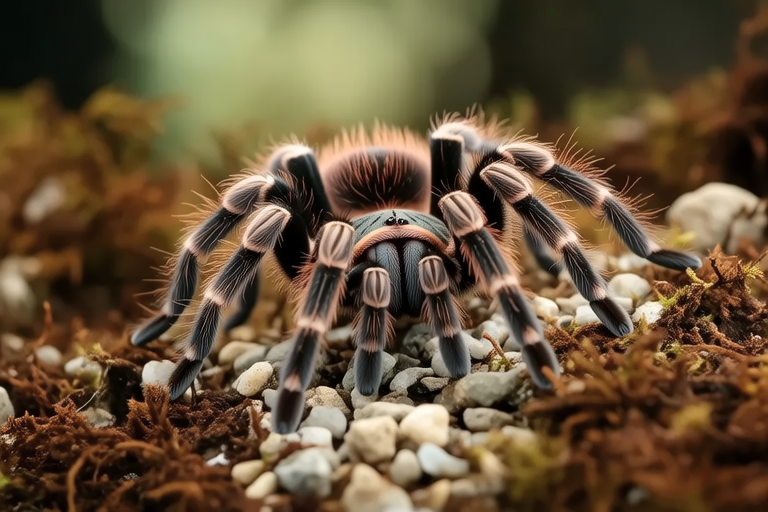
The Chilean Rose Tarantula, also known as Grammostola rosea, is a popular choice among tarantula enthusiasts due to its docile nature and vibrant coloration. Originating from the desert regions of Chile, these spiders are known for their pinkish hue, which intensifies as they mature. They are generally non-aggressive and can live up to 20 years in captivity.
Habitat Setup
Creating the right environment for your Chilean Rose Tarantula is crucial for its health and happiness. Below are some guidelines for setting up an optimal habitat:
- Tank Size: A 5-gallon tank is suitable for juveniles, while adults require at least a 10-gallon tank to ensure ample space.
- Substrate: Use coconut fiber, cypress mulch, or a mixture of soil and peat moss as substrate. This helps maintain appropriate humidity levels and provides a natural burrowing environment.
- Hiding Spots: Provide multiple hiding spots such as cork bark, half logs, or small caves to mimic their natural burrows.
- Temperature and Humidity: Maintain temperatures between 75°F and 85°F (24°C – 29°C) and humidity levels around 60-70%. Use a hygrometer and thermometer to monitor these conditions.
- Lighting: Chilean Roses do not require UV lighting. Ambient room light is sufficient.
Diet Specifics
Feeding your Chilean Rose Tarantula correctly is vital for its growth and health. Here’s what you need to know about their diet:
- Frequency: Feed juveniles once every week, and adults once every two weeks.
- Prey Items: Offer crickets, mealworms, super worms, or dubia roaches. Ensure prey items are no larger than half the width of the spider’s abdomen.
- Supplementation: Dust prey with calcium and vitamin D3 supplements to prevent deficiencies.
- Feeding Technique: Place the prey item directly into the enclosure. Do not handle the tarantula during feeding times to avoid stress.
Handling Advice
While Chilean Roses are generally docile, it’s important to handle them with care:
- Gentle Handling: Always use a soft brush or a container to gently coax the tarantula out of its enclosure. Never grab or squeeze the spider.
- Environment: Handle your tarantula in a safe, enclosed area to prevent escape. Avoid handling immediately after molting as this can be stressful for the spider.
- Frequency: Limit handling sessions to minimize stress and allow the tarantula to acclimate to its environment.
Health Concerns
Like any pet, Chilean Rose Tarantulas can face health issues. Early detection and proper care can prevent many problems:
- Molting Issues: During molting, the tarantula sheds its exoskeleton. Ensure humidity levels are slightly higher (70-80%) to aid in this process. If the old skin does not come off completely, seek veterinary assistance.
- Parasites: Watch for signs of mites or other parasites. Keep the enclosure clean and inspect regularly.
- Respiratory Issues: Poor ventilation can lead to respiratory problems. Ensure there is adequate airflow within the enclosure.
- Behavioral Changes: Sudden changes in behavior, appetite, or activity levels could indicate illness. Consult a veterinarian specializing in exotic animals if you notice any unusual signs.
Differences in Care Between New and Experienced Owners
Both new and experienced owners benefit from understanding the unique aspects of caring for Chilean Rose Tarantulas:
New Owners
If you’re new to tarantula ownership, here are some additional tips:
- Patience: Allow your tarantula time to adjust to its new home before handling.
- Education: Read extensively about tarantulas and their care requirements. Join online forums and communities to learn from more experienced keepers.
- Monitoring: Regularly check the temperature, humidity, and cleanliness of the enclosure.
Experienced Owners
For those with more experience, here are advanced considerations:
- Variety in Diet: Introduce a wider variety of prey items to enrich the diet.
- Breeding: With proper research and guidance, consider breeding your tarantulas to contribute to the hobby.
- Environmental Enrichment: Add more complex structures and plants to simulate a natural habitat.
Conclusion
Owning a Chilean Rose Tarantula can be a rewarding experience. By following the guidelines outlined in this care guide, you can provide your pet with a healthy, comfortable environment. Remember, each tarantula is unique, so pay close attention to its specific needs and behaviors. Enjoy the journey of learning and caring for these fascinating creatures.