
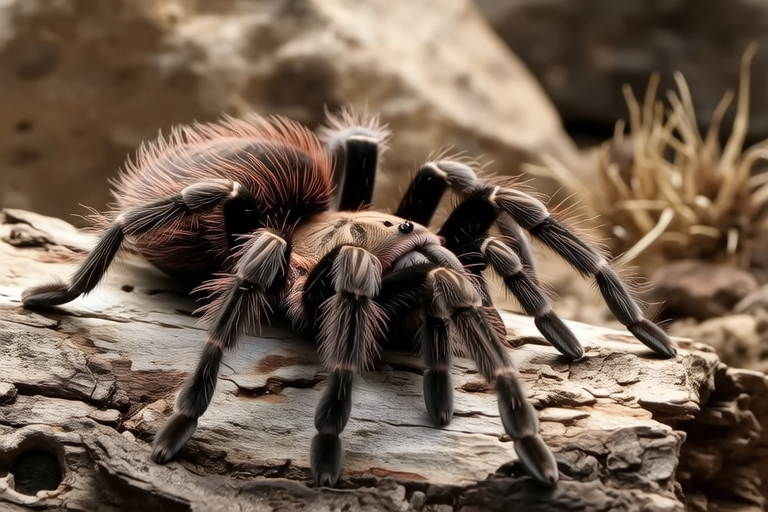
Caring for a Chilean Rose Tarantula: Tips and Tricks from Expert Arachnologists
The Chilean Rose Tarantula (Grammostola rosea) is one of the most popular pet tarantulas due to its docile nature, manageable size, and relatively low maintenance requirements. However, providing the best care for these fascinating creatures requires a bit more than just a simple enclosure. In this comprehensive guide, we will delve into the essential aspects of caring for a Chilean Rose Tarantula, offering tips and tricks from expert arachnologists to ensure your pet thrives.
Understanding Your Chilean Rose Tarantula
The Chilean Rose Tarantula, native to the arid regions of Chile, is known for its pinkish hue and calm demeanor. Despite their intimidating appearance, they are generally non-aggressive and make excellent pets for beginners and seasoned arachnid enthusiasts alike. Understanding their natural habitat and behavior is crucial for creating an environment that mimics their wild conditions as closely as possible.
Habitat Setup
Creating a suitable habitat is the first step in ensuring your Chilean Rose Tarantula’s well-being. The enclosure should provide ample space for the spider to move around, hide, and molt comfortably. According to Dr. Sarah Thompson, a renowned arachnologist, “The ideal enclosure for a Chilean Rose Tarantula should be at least three times the length of the spider’s leg span.”
- Size: A 10-gallon tank is recommended for a single adult. Ensure the tank has a secure lid to prevent escapes.
- Substrate: Use a bedding material like coconut fiber or peat moss, which can retain moisture and allow burrowing. Maintain a depth of about 3-4 inches to mimic the spider’s natural burrowing behavior.
- Hiding spots: Provide plenty of hiding places using cork bark, half logs, or artificial caves. These help reduce stress and offer security.
- Temperature and Humidity: Maintain temperatures between 78°F and 85°F (26°C and 29°C). Humidity levels should be kept around 50-70%. Use a hygrometer to monitor humidity levels and a thermometer to check temperature.
Feeding Habits
Chilean Rose Tarantulas are carnivorous and primarily feed on insects such as crickets, mealworms, and dubia roaches. They can also consume small vertebrates like pinkie mice occasionally. Feeding frequency depends on the spider’s age and size, but typically once a week for adults is sufficient.
Dr. Thompson advises, “It’s important to dust feeder insects with calcium and vitamin supplements before feeding to ensure your tarantula gets all necessary nutrients.” Always remove uneaten prey after 24 hours to prevent mold growth or pest infestations.
Handling Techniques
While Chilean Rose Tarantulas are generally calm, handling them should be done with caution. Tarantulas have urticating hairs on their abdomen, which they may release if they feel threatened. These hairs can cause irritation to the handler’s skin or eyes.
Expert handler, Mark Johnson, recommends, “Always handle your tarantula gently and support its entire body. Never grab or squeeze the spider, and always wash your hands thoroughly afterward to avoid any potential allergic reactions.”
Health Monitoring
Maintaining a healthy environment is crucial for preventing illnesses. Regularly observe your tarantula for any signs of distress, such as lethargy, loss of appetite, or unusual behavior. Molting is a significant part of a tarantula’s life cycle and can be stressful for the spider. Ensure the substrate remains moist during this period to aid in successful molting.
Dr. Thompson emphasizes, “If you notice any irregularities, consult an exotic animal veterinarian who specializes in arachnids. Early intervention can often resolve issues before they become severe.”
Common Myths About Tarantulas
There are several misconceptions surrounding tarantulas that can lead to improper care. Let’s debunk some of these myths:
- Myth: Tarantulas are aggressive and dangerous. While tarantulas can defend themselves when threatened, they are generally docile and prefer to retreat rather than attack.
- Myth: Tarantulas need frequent handling. Handling should be minimal and only for brief periods. Over-handling can stress the spider and potentially lead to health issues.
- Myth: Tarantulas require daily feeding. Tarantulas are not obligate feeders and can go without food for extended periods. Feeding once a week is usually sufficient.
Conclusion
Owning a Chilean Rose Tarantula can be a rewarding experience, provided you understand and meet their specific needs. By following the advice of expert arachnologists and maintaining a suitable environment, you can ensure your pet thrives. Remember, patience and attention to detail are key in providing the best care for these unique and fascinating creatures.