
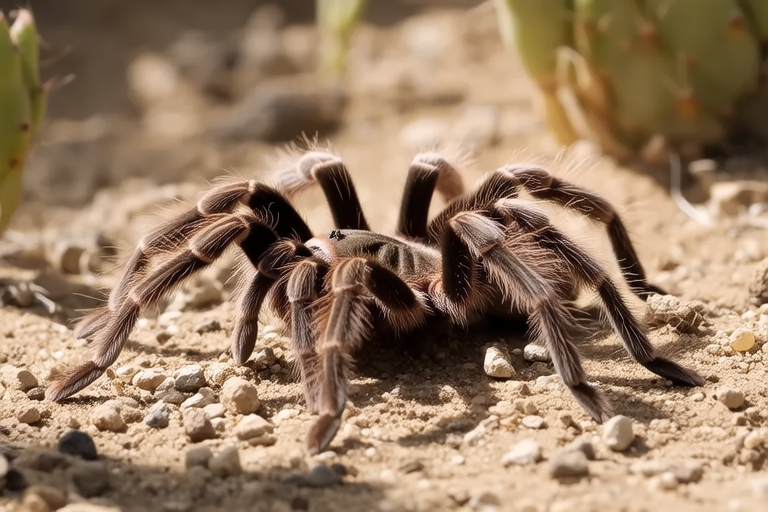
Unraveling the Secrets of the Chilebican Rose Tarantula: A Beginner’s Guide
Welcome to your ultimate guide on keeping the Chilean Rose Tarantula as a pet. This article aims to provide you with all the necessary information to ensure that your tarantula thrives in its new home. From understanding their unique habitat requirements to learning about their dietary needs and potential health issues, this guide will equip you with the knowledge needed to become a responsible pet owner.
Habitat Setup
The first step in setting up a home for your Chilean Rose Tarantula is understanding the environment from which it originates. These tarantulas are native to the deserts and scrublands of Chile, where they live in burrows. Therefore, your goal is to recreate a similar environment within a terrarium.
Choosing the Right Enclosure: Start by selecting an appropriate enclosure. For a young tarantula, a 5-gallon tank is sufficient, but as your tarantula grows, you’ll need a larger space. A 10-gallon tank is recommended for adults. Ensure the enclosure has a secure lid to prevent escapes.
Substrate: The substrate should be at least 4 inches deep to allow your tarantula to dig and create a comfortable burrow. Use a mix of coconut fiber or reptile bedding. Avoid sand as it can cause impaction if ingested.
Humidity: Maintain a humidity level between 60% and 80%. You can achieve this by misting the enclosure occasionally and ensuring there’s always a water dish available. However, avoid over-misting, as excess moisture can lead to mold growth.
Temperature: Keep the temperature within the range of 75 to 85 degrees Fahrenheit. A heat lamp or under-tank heater can help maintain these temperatures. Always monitor the temperature with a thermometer.
Hiding Spots: Provide several hiding spots like cork bark or half logs. These spots serve as retreats and aid in stress reduction.
Dietary Needs
Feeding your Chilean Rose Tarantula is straightforward yet crucial for its health. In the wild, they feed on insects, small lizards, and other arachnids. As pets, they require a diet primarily consisting of crickets, mealworms, and superworms.
Frequency: Feed juveniles once every 5 to 7 days, and adults once every 10 to 14 days. Always offer prey items no larger than the width of the tarantula’s abdomen to prevent digestive issues.
Variety: While crickets are the staple food, introducing variety into their diet can enhance their nutritional intake. Offer occasional treats such as waxworms or dubia roaches.
Water: Always provide fresh water in a shallow dish. Check and clean the dish regularly to prevent bacterial growth.
Handling Tips
Handling your tarantula requires patience and care. Chilean Rose Tarantulas are generally docile, but improper handling can lead to stress or injury.
Preparation: Before attempting to handle your tarantula, ensure you have a secure surface nearby, such as a flat board. Place the board on top of the enclosure and gently transfer the tarantula onto it.
Technique: Allow the tarantula to walk onto your hand rather than picking it up. Move slowly and avoid sudden movements. Always support the tarantula’s body, especially the abdomen, to prevent injury.
Duration: Limit handling sessions to no more than 10 minutes per week. Excessive handling can stress the tarantula and disrupt its feeding schedule.
Common Health Issues
Despite being hardy creatures, Chilean Rose Tarantulas can face health issues if not properly cared for. Regular monitoring is key to maintaining their health.
Molting: Molting is a natural process where the tarantula sheds its exoskeleton. During this time, it is vulnerable and may appear lethargic. Do not disturb the tarantula during molting. After molting, ensure the tarantula eats its old skin, as it provides essential nutrients.
Impaction: Caused by eating substrate or indigestible materials, impaction can be fatal. Prevent impaction by avoiding substrate ingestion and ensuring prey items are appropriately sized.
Parasites: Parasitic infections are rare but can occur. If you notice unusual behavior or physical symptoms, consult a veterinarian specializing in exotic animals.
Behavioral Insights
Understanding your tarantula’s behavior can help you provide a more enriching environment and respond to its needs effectively.
Nocturnal Nature: Chilean Rose Tarantulas are nocturnal, meaning they are most active at night. They spend much of the day in their burrows, so you might not see them frequently during the day.
Defensive Behavior: When threatened, these tarantulas may rear up on their hind legs and display their fangs. This behavior is a defensive posture rather than an aggressive act. Avoid provoking this response by handling the tarantula carefully.
Social Interaction: Tarantulas are solitary animals and do not require companionship. Housing multiple tarantulas together can lead to stress or fighting.
Safety and Ethical Considerations
Keeping a tarantula as a pet comes with responsibilities. Prioritize the welfare of your pet by providing a safe and enriching environment.
Legalities: Check local regulations regarding exotic pets before purchasing. Some areas may have restrictions or require permits.
Ethics: Only purchase tarantulas from reputable breeders who prioritize animal welfare. Avoid supporting the exotic pet trade that exploits wild populations.
End of Life: Plan for the end of your tarantula’s life. Tarantulas can live up to 10 years. Discuss options with a veterinarian regarding humane euthanasia when necessary.
In conclusion, owning a Chilean Rose Tarantula can be a rewarding experience. By following the guidelines provided in this beginner’s guide, you can ensure your tarantula leads a happy, healthy life. Remember, the key to successful pet ownership lies in understanding and meeting the needs of your pet. Enjoy the journey of caring for this fascinating creature!