
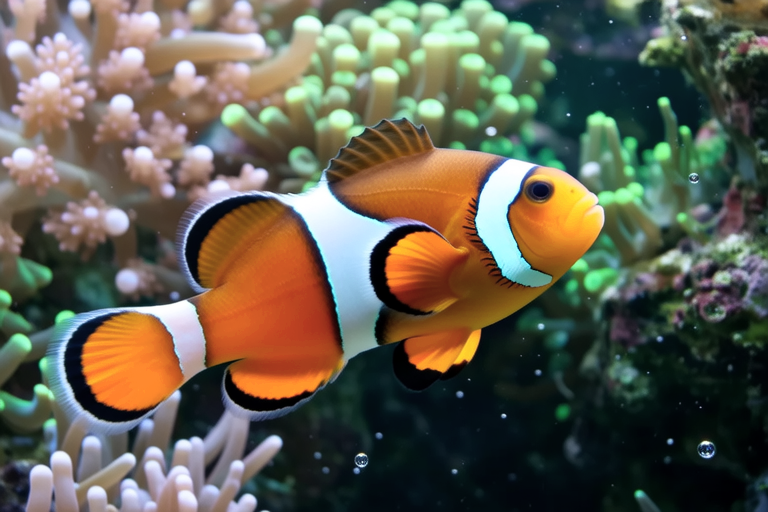
Clownfish Care 101: Tips and Tricks for Happy, Healthy Marine Companions
Clownfish, with their vibrant colors and playful nature, have become a popular choice among aquarium enthusiasts. These small, saltwater fish are not only visually appealing but also relatively easy to care for if provided with the right environment. Whether you’re a beginner or an experienced aquarist, understanding the essential care guidelines for clownfish can help ensure your marine companions lead long, healthy lives. This article provides comprehensive tips and tricks for maintaining a balanced marine environment that promotes the longevity and well-being of your clownfish.
Creating the Perfect Habitat
The first step in caring for clownfish is creating the perfect habitat. Clownfish thrive in an environment that mimics their natural coral reef home. A well-planned aquarium setup can make all the difference in the health and happiness of your clownfish.
Suitable Tank Conditions
Clownfish require a minimum tank size of 30 gallons (114 liters) for a single pair or trio. However, larger tanks are always better as they provide more space for swimming and exploration. The tank should be equipped with a secure lid to prevent any accidental escapes. Additionally, ensure there is ample swimming space and hiding spots, such as live rock formations, caves, and corals. These structures not only serve as shelter but also encourage natural behaviors like territorial defense and mating rituals.
Water Parameters
Maintaining optimal water quality is crucial for the health of your clownfish. Ideal water parameters include:
- Temperature: 75-80°F (24-27°C)
- pH: 8.1-8.4
- Specific Gravity: 1.020-1.025
- Ammonia and Nitrite: 0 ppm
- Nitrate: Below 20 ppm
Regular testing and monitoring of these parameters will help maintain a stable and healthy environment. Proper filtration and regular water changes are essential for keeping the water clean and free from harmful substances.
Dietary Needs
Feeding your clownfish a balanced diet is key to their overall health. In the wild, clownfish are omnivores, feeding on algae, zooplankton, and small invertebrates. In captivity, they can be fed a variety of foods, including high-quality flake food, frozen or freeze-dried brine shrimp, mysis shrimp, and vitamin-enriched flakes. It’s important to offer a mix of protein-rich and plant-based foods to mimic their natural diet. Feed your clownfish 2-3 times a day, providing only what they can consume within a few minutes to avoid overfeeding.
Tank Mates Compatibility
Selecting appropriate tank mates for your clownfish is crucial to maintaining a peaceful and harmonious community. Clownfish are generally peaceful and can coexist with many other species. However, it’s important to consider the temperament and size of potential tank mates. Avoid aggressive or territorial species that may bully or harm your clownfish. Compatible tank mates include:
- Other peaceful marine fish, such as cardinalfish, gobies, and dartfish
- Invertebrates like starfish, sea cucumbers, and certain types of shrimp
Avoid housing clownfish with large predatory fish or those known for nipping fins. Also, be cautious when introducing new tank mates to avoid stress and potential aggression. Always research the specific needs and temperaments of any new additions to ensure they will get along with your clownfish.
Common Health Issues
Despite their hardiness, clownfish can still face health challenges. Being proactive in addressing potential issues can prevent minor problems from escalating into serious conditions. Some common health issues include:
Fungal and Bacterial Infections
These infections can occur due to poor water quality or stress. Symptoms include white spots, lethargy, and loss of appetite. To combat these issues, maintain pristine water conditions and quarantine any new additions before introducing them to the main tank. If symptoms persist, consult a veterinarian specializing in aquatic animals for treatment options.
Parasitic Infestations
Parasites can enter the tank through contaminated water, live foods, or new tank mates. Look for signs such as rapid breathing, scratching against objects, and visible parasites on the fish’s body. Regularly treat the tank with safe anti-parasitic medications and quarantine any affected fish to prevent spread.
Environmental Stress
Stress can weaken a clownfish’s immune system, making them more susceptible to diseases. Common causes of stress include sudden changes in water parameters, overcrowding, and aggressive tank mates. To reduce stress, ensure a stable environment with consistent water conditions, adequate space, and peaceful companions.
Practical Advice for Beginners and Experienced Aquarists
Whether you’re new to the world of marine aquariums or an experienced hobbyist, there are several practical tips to keep in mind:
For Beginners
If you’re just starting out, take the time to thoroughly research and prepare before setting up your aquarium. Consider attending workshops or joining local aquarium clubs to learn from experienced hobbyists. Start with a smaller tank and gradually build up to more complex setups as you gain confidence and knowledge. Always prioritize the health and well-being of your fish by investing in quality equipment and maintaining a stable environment.
For Experienced Aquarists
Even seasoned aquarists can benefit from continuous learning and improvement. Stay updated on the latest advancements in marine biology and aquarium technology. Experiment with different tank setups and techniques to enhance the health and happiness of your clownfish. Consider participating in online forums and local events to share experiences and learn from others.
Conclusion
Providing proper care for clownfish involves creating a balanced marine environment that meets their physical and emotional needs. By understanding the essential care guidelines, including suitable tank conditions, water parameters, diet, and tank mate compatibility, you can ensure your clownfish lead happy, healthy lives. Remember, the key to successful clownfish care lies in attention to detail and a commitment to maintaining a stable and enriching environment. With patience and dedication, you can enjoy the vibrant beauty and playful antics of these delightful marine companions for years to come.