
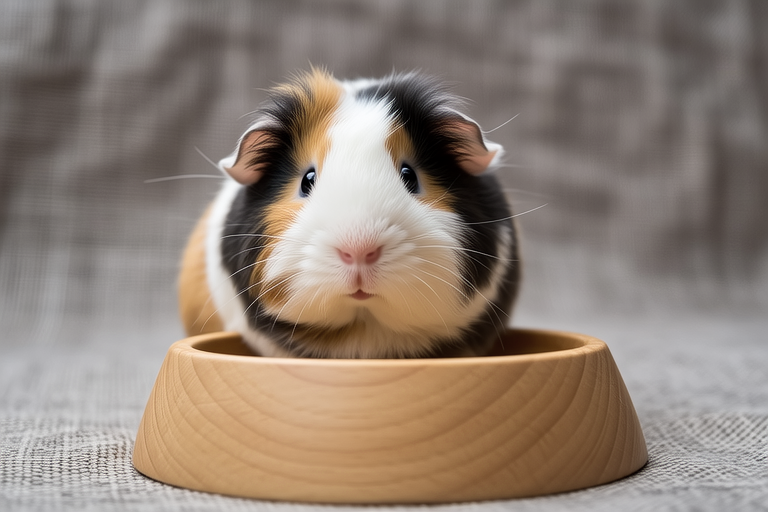
Top 10 Secrets Every Guinea Pig Parent Swears By
Welcome to the wonderful world of guinea pigs! These delightful rodents offer endless companionship and joy. However, owning a guinea pig comes with responsibilities. This guide reveals ten secrets that every guinea pig parent swears by, covering diet, habitat enrichment, health maintenance, social interaction, grooming, exercise, training techniques, choosing toys, understanding behaviors, and emergency preparedness.
1. Diet: The Foundation of Health
A well-balanced diet is crucial for your guinea pig’s health. Fresh hay should always be available as it aids digestion and dental health. Timothy hay is ideal for adult guinea pigs, while alfalfa hay is suitable for younger ones due to its higher calcium content. Pellets formulated specifically for guinea pigs provide essential nutrients like vitamin C, which they cannot produce themselves. Fresh vegetables and fruits can be offered in moderation, but avoid foods high in sugar or oxalates, such as spinach or rhubarb. Clean water must be accessible at all times, and bowls should be cleaned daily to prevent bacterial growth.
2. Habitat Enrichment: Creating a Stimulating Environment
A stimulating environment enhances your guinea pig’s quality of life. Provide tunnels, chew toys, and cardboard boxes for exploration and mental stimulation. Rotate toys regularly to keep things interesting. A variety of textures and materials in their living space encourages natural behaviors, such as chewing and digging. Ensure adequate space; a single guinea pig requires at least 7.5 square feet, while pairs need more. Use bedding made from recycled paper products or wood shavings instead of pine or cedar, which can irritate respiratory systems.
3. Health Maintenance: Regular Check-Ups and Preventive Care
Schedule routine vet visits every six months for check-ups and vaccinations. Familiarize yourself with common signs of illness, such as lethargy, decreased appetite, or discharge from eyes or nose. Keep a close eye on your pet’s weight and coat condition. Guinea pigs are prone to dental issues, so offer chew toys and monitor teeth alignment. Monitor droppings for consistency and volume; changes may indicate underlying health concerns. Establish a regular cleaning schedule for the cage, changing bedding weekly and sanitizing the enclosure monthly.
4. Social Interaction: The Importance of Company
Giving your guinea pig companionship is vital for their emotional well-being. If possible, adopt two guinea pigs to ensure they have a friend. Introduce them gradually under supervision to allow bonding. Spend time interacting with your pet daily through play sessions, petting, and gentle handling. Handle your guinea pig gently and frequently to build trust and reduce stress during veterinary visits. Always support their body when holding them and avoid sudden movements.
5. Grooming: Keeping Your Pet Clean and Comfortable
Grooming helps maintain your guinea pig’s appearance and comfort. Brush their fur weekly to remove loose hair and prevent matting. Trim nails every few weeks if necessary, using specialized guinea pig nail clippers. Clean ears gently with a damp cloth if needed. Check skin regularly for any abnormalities or parasites. Bathing is generally unnecessary unless recommended by a veterinarian due to excessive dirt or dandruff.
6. Exercise: Promoting Physical Fitness
Guinea pigs require regular exercise to stay healthy. Allow supervised time outside the cage daily, providing safe spaces free from hazards like electrical cords or small gaps where they could get stuck. Incorporate ramps, tunnels, and platforms within the enclosure to encourage climbing and exploring. Encourage movement by scattering pellets around the cage for them to find. Ensure ample space within the enclosure for running and playing. Rotate toys periodically to stimulate interest in physical activities.
7. Training Techniques: Teaching Basic Commands
Training can strengthen the bond between you and your guinea pig. Start with simple commands like coming when called or sitting still. Use positive reinforcement, offering treats or praise for desired behavior. Consistency is key; practice regularly but avoid overtraining to prevent frustration. Teach your guinea pig to step onto a scale for weigh-ins or into a carrier for trips to the vet. Never punish your pet; instead, focus on rewarding good behavior.
8. Choosing Toys: Selecting Safe and Appropriate Playthings
Select toys that promote natural behaviors and provide mental stimulation. Chew toys made from untreated wood or safe plastic are excellent choices. Balls with bells inside offer auditory stimulation and encourage movement. Cardboard tubes and boxes provide hiding spots and opportunities for tunneling. Ensure all toys are free from small parts that could be swallowed and are safe for your pet. Rotate toys periodically to maintain interest and prevent boredom.
9. Understanding Behaviors: Decoding Your Pet’s Actions
Understanding guinea pig behaviors fosters a deeper connection. Recognize signs of happiness, such as purring or bunting (gentle headbutts). Learn to interpret vocalizations, which range from squeaks of excitement to whines of distress. Pay attention to body language, noting when your pet is relaxed or stressed. Guinea pigs are social creatures; they may display dominance or submission towards cage mates or humans. Observe interactions closely to understand relationships and respond appropriately.
10. Emergency Preparedness: Being Ready for Unexpected Situations
Prepare for emergencies by creating an emergency kit containing essentials like food, water, bedding, and a carrier. Keep contact information for local veterinarians readily accessible. Familiarize yourself with common first aid procedures, such as administering fluids or treating minor wounds. Learn CPR techniques specific to guinea pigs. Practice handling your pet calmly during stressful situations to minimize anxiety. Educate family members about proper care and response in case of an emergency.
Owning a guinea pig brings immense joy and responsibility. By following these ten secrets, you’ll ensure your furry friend leads a happy, healthy life. Remember, every guinea pig is unique, so tailor care according to individual needs. With love, patience, and attention, you’ll create lasting bonds and cherished memories.