
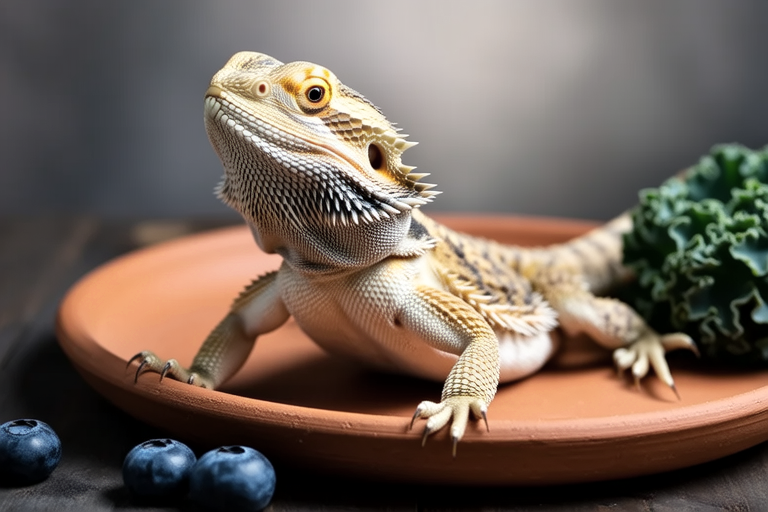
7 Myths About Bearded Dragons Debunked Once and For All
Bearded dragons have gained immense popularity as pets due to their unique appearance, docile nature, and relatively low maintenance requirements. However, there are several misconceptions and myths surrounding these reptiles that can lead to improper care and stress. This article aims to debunk seven common myths about bearded dragons, providing accurate information to help owners and enthusiasts provide the best possible care for their pets.
Introduce Common Myths Surrounding Bearded Dragons
Many people who own or are interested in owning bearded dragons often find themselves confused by various pieces of advice and misinformation floating around. From dietary needs to behavioral traits, there are numerous myths that can lead to incorrect care practices. It’s essential to separate fact from fiction to ensure your bearded dragon lives a healthy and happy life.
Myth 1: Bearded Dragons Require Full Sunlight Exposure Indoors for Vitamin D Synthesis
One of the most pervasive myths about bearded dragons is that they need direct sunlight to synthesize vitamin D. While it’s true that bearded dragons require UVB light for calcium absorption and overall health, prolonged exposure to full sunlight, especially through glass windows, can be dangerous. The ultraviolet (UV) radiation can cause severe burns and even skin cancer.
Instead of relying on direct sunlight, it is recommended to use high-quality UVB lighting specifically designed for reptiles. These lights should be replaced every six months, even if they still appear to be functioning, as the UV output diminishes over time. Additionally, ensure that your dragon has access to both basking and cooler areas within its enclosure to regulate body temperature effectively.
Myth 2: Bearded Dragons Can Survive on a Diet of Crickets Alone
Another common myth is that bearded dragons thrive solely on a diet of crickets. While crickets are an important part of their diet, they should not form the entire meal plan. A balanced diet for bearded dragons includes a variety of insects, leafy greens, and occasional fruits.
Feeding only crickets can lead to nutritional deficiencies, particularly in vitamins A and D3, as well as calcium. To maintain optimal health, offer a mix of dark leafy greens like collard greens, mustard greens, and dandelion greens. Fruits such as berries and melons can also be given sparingly. Always gut-load feeder insects with nutritious food before feeding them to your dragon to enhance their nutritional value.
Myth 3: Larger Bearded Dragons Eat Smaller Ones
The idea that larger bearded dragons will eat smaller ones is a common misconception. While it is true that overcrowding can lead to stress and aggression, cannibalism is rare under normal circumstances. Proper habitat setup is crucial to preventing stress and potential conflicts.
To avoid stress, it’s important to provide ample space for each dragon, ensuring they have hiding spots and areas to retreat to when needed. Housing multiple bearded dragons together requires careful planning and monitoring. If you decide to house more than one dragon, make sure they are of similar size and temperament to reduce the risk of conflict.
Myth 4: Bearded Dragons Need Constant Handling to Become Tame
It’s a common belief that frequent handling is necessary to tame a bearded dragon. However, excessive handling can actually increase stress levels and lead to behavioral issues. Gradual socialization is key to building trust between you and your pet.
Start by allowing your dragon to get used to your presence without immediate physical contact. Gradually introduce short periods of gentle handling, always respecting their comfort zone. Over time, they will become more comfortable with human interaction, but remember that some dragons may never enjoy being handled as much as others.
Myth 5: Bearded Dragons Hibernate in Captivity
Some people mistakenly believe that bearded dragons hibernate in captivity. In reality, they undergo a process called brumation, which is different from hibernation. During brumation, bearded dragons slow down their metabolism and activity levels, often reducing their appetite and spending more time resting.
The duration of brumation varies depending on the individual dragon and environmental conditions. It typically lasts between two to four months during the colder months. Managing brumation safely involves maintaining appropriate temperatures and humidity levels within the enclosure. Consult with a veterinarian or experienced breeder for guidance on how to handle this period properly.
Myth 6: Bearded Dragons Drink Water from Misting
While misting can help maintain humidity levels in the enclosure, it does not provide adequate hydration for bearded dragons. They need fresh water available at all times in a shallow dish that is easy for them to access.
Ensure the water dish is cleaned regularly to prevent bacterial growth. Some bearded dragons may not drink from standing water initially but will eventually learn to do so. Encourage drinking by gently misting their faces, which can stimulate their instinct to lap up water.
Myth 7: Bearded Dragons Change Color Based on Mood
The belief that bearded dragons change color based on their mood is another popular myth. In reality, color changes in bearded dragons are primarily influenced by environmental factors such as temperature and stress levels.
When a bearded dragon feels threatened or stressed, it may darken its color as a defense mechanism. Conversely, when they feel relaxed or warm, their color may lighten. Understanding these natural behaviors helps in creating a suitable environment for your pet.
Conclusion: Advice on Responsible Pet Ownership
Owning a bearded dragon comes with great responsibility. By understanding and addressing common myths, you can provide your pet with the best care possible. Always prioritize your dragon’s health and well-being above convenience or misguided advice.
Further research into comprehensive care guidelines is highly recommended. Consulting with veterinarians specializing in exotic pets and joining online communities dedicated to reptile care can also be beneficial sources of information. With proper knowledge and dedication, you can ensure your bearded dragon enjoys a long, healthy life.