
How to Choose the Healthiest Betta Fish
Welcome to your comprehensive guide on choosing the healthiest betta fish. Whether you’re a beginner or an experienced aquarist, this guide will provide you with actionable advice to ensure your new pet is healthy and thriving.
Understanding Betta Fish Needs
Betta fish, also known as Siamese fighting fish, have specific needs that must be met to thrive. They require:
- Adequate space – At least 2.5 gallons (9.4 liters) of water is recommended for one betta.
- Frequent water changes – Aim for 25% weekly to maintain water quality.
- Proper temperature – Keep the water between 76°F to 82°F (24°C to 28°C).
- Substrate – Opt for a soft substrate like sand or fine gravel to prevent injury.
- Plants and hiding spots – Provide plenty of vegetation and structures for hiding and exploring.
- Filtered water – A gentle filter can help keep the water clean without overwhelming the fish.
- Varied diet – Feed a mix of flakes, pellets, and live or frozen foods for balanced nutrition.
- Low-stress environment – Avoid overcrowding and aggressive tank mates.
Understanding these requirements will help you create an optimal habitat for your betta fish.
Selecting the Right Tank and Setup
Choosing the right tank and setup is crucial for your betta’s health and happiness. Consider the following:
- Tank Size: A minimum of 2.5 gallons (9.4 liters) is recommended for one betta. Larger tanks provide more swimming space and make it easier to maintain water quality.
- Tank Shape: Opt for a tank with a larger surface area than height, as bettas need access to oxygen-rich water near the surface.
- Filtration: Install a gentle filter to keep the water clean. Avoid overly powerful filters that could stress the fish.
- Heating: Use a reliable aquarium heater to maintain a stable temperature between 76°F to 82°F (24°C to 28°C).
- Decorations: Add plants, caves, and other decorations to provide hiding spots and stimulate natural behaviors.
- Lighting: Provide 8-12 hours of light per day to mimic natural daylight cycles.
- Water Parameters: Test the water regularly for pH (6.5-7.5), ammonia, nitrite, and nitrate levels. Maintain a stable environment by performing regular water changes.
By carefully selecting the right tank and setup, you’ll create a safe and comfortable home for your betta fish.
Identifying Signs of a Healthy Betta at the Store
When shopping for a betta fish, look for the following signs of good health:
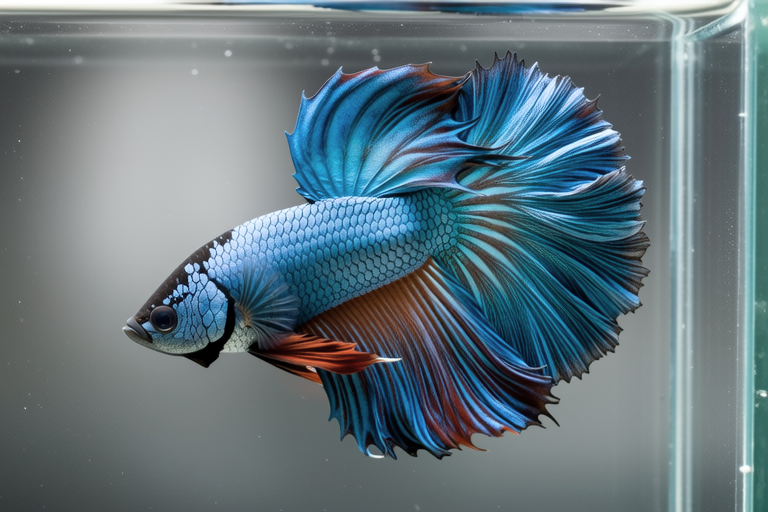
- Vibrant Colors: Healthy bettas display bright, vibrant colors. Pale or dull coloring may indicate illness.
- Active Swimming: A healthy betta will swim actively around the tank, showing curiosity and interest in its surroundings.
- Clear Eyes: Look for clear, alert eyes. Cloudy or sunken eyes can signal health issues.
- Intact Fins: Check for intact fins without tears or discoloration. Torn or frayed fins can indicate fin rot or aggression from other fish.
- Healthy Gills: Healthy gills should move rhythmically as the fish breathes. Labored breathing or gasping at the surface can indicate poor water quality or illness.
- Good Appetite: A healthy betta will show interest in food and eat readily. Lack of appetite may indicate stress or illness.
- No Visible Parasites: Inspect the fish for any visible parasites, such as white spots or excessive mucus. These can indicate ich or other parasitic infections.
By carefully observing these signs, you can choose a healthy betta fish that will thrive in your care.
Common Health Issues to Watch For
Even with proper care, betta fish can develop health issues. Here are some common problems to watch for:
- Fin Rot: Characterized by frayed, discolored, or missing fins. It’s often caused by poor water quality or bacterial infections.
- Ich: Small white spots on the body and fins. Ich is a parasitic infection that can spread quickly if left untreated.
- Bacterial Infections: Symptoms include redness, ulcers, or white patches on the skin. Bacterial infections can be treated with antibiotics.
- Swim Bladder Disorder: Causes difficulty swimming upright or floating sideways. This condition can be due to overfeeding or constipation.
- Constipation: Indicated by bloated or lethargic behavior. Feeding a varied diet and avoiding overfeeding can help prevent this issue.
- Gas Bubble Disease: Tiny bubbles under the skin or around the eyes. This occurs when there’s too much dissolved gas in the water, often due to high water temperatures.
- Fungal Infections: White, cotton-like growths on the body or fins. Fungal infections are often secondary to other health issues.
Early detection and treatment are key to preventing these issues from worsening. Regularly monitor your betta’s behavior and appearance to catch potential problems early.
Tips for Maintaining Their Health Once They’re Home
Once your betta fish is settled into its new home, follow these tips to maintain its health:
- Regular Water Changes: Perform 25% water changes weekly to remove toxins and maintain water quality.
- Monitor Water Parameters: Regularly test the water for pH, ammonia, nitrite, and nitrate levels. Adjust as needed to maintain a stable environment.
- Feed a Balanced Diet: Offer a variety of foods, including flakes, pellets, and live or frozen options. Avoid overfeeding to prevent bloating and water pollution.
- Provide Hiding Spots: Ensure your betta has plenty of plants, caves, and other structures for hiding and exploring.
- Minimize Stress: Avoid sudden changes in lighting, temperature, or water parameters. Keep the tank in a quiet area away from vibrations and loud noises.
- Watch for Behavioral Changes: Pay attention to your betta’s behavior and appearance. Any sudden changes may indicate stress or illness.
- Quarantine New Fish: If introducing new fish, quarantine them in a separate tank for at least two weeks to avoid introducing diseases.
- Consult a Veterinarian: If you suspect your betta is ill, consult an aquatic veterinarian for proper diagnosis and treatment.
By following these tips, you’ll ensure your betta fish remains healthy and happy in its new home.
Conclusion
Choosing the healthiest betta fish requires careful consideration of their specific needs, selecting the right tank and setup, identifying signs of good health at the store, watching for common health issues, and maintaining their health once they’re home. By providing a safe and comfortable environment, feeding a balanced diet, and monitoring water quality, you’ll ensure your betta fish thrives in your care. With dedication and attention to detail, you’ll enjoy many years of companionship with your beautiful and unique pet.