
The Ultimate Betta Diet: Feeding for Vibrant Colors and Health
Proper nutrition is crucial for the health and well-being of your betta fish. A balanced diet ensures vibrant colors, robust health, and a longer lifespan. This guide delves into the essentials of a betta’s diet, offering insights that will help you provide the best care for your aquatic friend.
The Importance of Proper Nutrition
Bettas, like all living creatures, thrive on a well-balanced diet. Their diet influences not only their physical appearance but also their overall health and longevity. A poor diet can lead to weakened immune systems, dull colors, and even shortened lifespans. Conversely, a nutritious diet can enhance their vibrant colors, boost their immune systems, and promote healthy growth.
Key Nutrients for Betta Health
Proteins
Proteins are vital for muscle development, tissue repair, and overall growth. Bettas require high-quality protein sources to maintain their strength and vitality. Foods rich in proteins include insects, larvae, and certain types of fish.
Fats
Fats play a critical role in energy storage, hormone production, and cell membrane structure. However, it’s important to ensure they receive the right type of fats. Omega-3 fatty acids, found in some fish oils, are particularly beneficial for bettas.
Vitamins
Vitamins are necessary for various bodily functions, including metabolism and immune system support. Vitamins A, C, and D are especially important for bettas, contributing to healthy skin, eyes, and bones.
Minerals
Minerals like calcium, phosphorus, and magnesium are essential for bone formation, muscle function, and enzyme activity. Ensuring these minerals are present in their diet can significantly impact their health.
Variety in Betta Diets
Pellets and Flakes
Pellets and flakes are convenient and widely available. They come in different sizes and formulas tailored to the specific needs of bettas. High-quality pellets and flakes can offer a balanced mix of proteins, fats, and other essential nutrients.
Frozen and Live Foods
Frozen and live foods provide a more natural diet and can be particularly beneficial for enhancing color and promoting breeding behaviors. Bloodworms, brine shrimp, and daphnia are popular choices among betta owners.
Portion Control and Feeding Frequency
Overfeeding is a common mistake that can lead to water pollution and health issues. It’s recommended to feed bettas small portions twice daily. Each feeding should consist of what the betta can consume within two minutes.
Transitioning to New Diets
When changing your betta’s diet, it’s important to do so gradually to avoid digestive upset. Start by mixing a small amount of the new food with the old food and gradually increase the proportion of the new food over a week or two.
Common Feeding Mistakes to Avoid
- Overfeeding: This leads to water pollution and potential health issues.
- Feeding the same food every day: Lack of variety can result in nutritional deficiencies.
- Ignoring water quality: Poor water conditions can exacerbate the effects of improper diet.
The Benefits of a Well-Balanced Diet
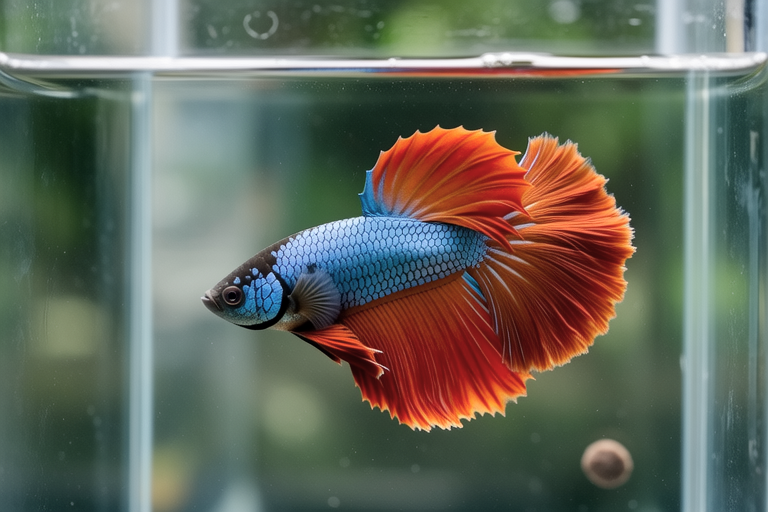
A well-balanced diet contributes to vibrant colors, robust health, and a longer lifespan. Healthy bettas exhibit bright colors, active behavior, and clear eyes. Additionally, a balanced diet supports their immune system, making them less susceptible to diseases.
Conclusion
By understanding the dietary needs of your betta, you can ensure they lead happy, healthy lives. Incorporating a variety of foods, practicing portion control, and avoiding common feeding mistakes are key steps towards providing optimal care. With the right diet, your betta will not only look stunning but also enjoy a longer, healthier life.