
The Ultimate Guide to Keeping Your Betta Healthy and Happy
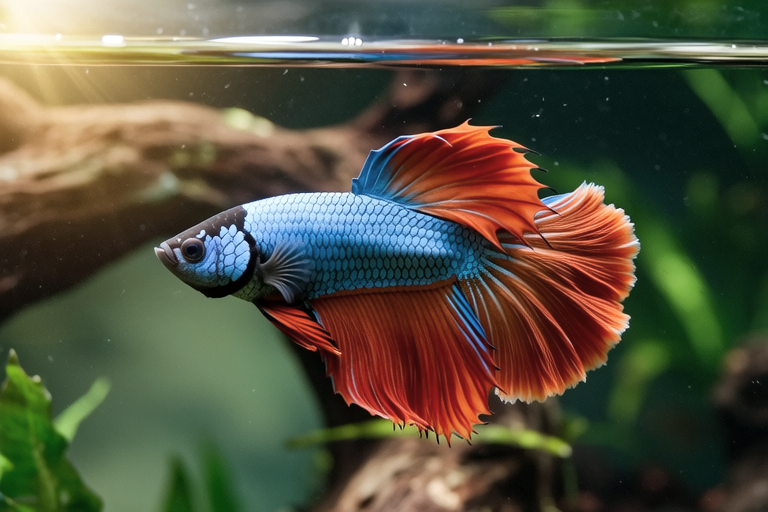
Betta fish, often referred to as Siamese fighting fish, have long been a favorite among aquarium enthusiasts. Their vibrant colors, flowing fins, and relatively low maintenance requirements make them an ideal choice for both beginners and experienced aquarists. Despite their small size, these fish are full of personality and can provide hours of entertainment. Understanding how to care for your betta is crucial to ensuring they live a long, healthy life.
Essential Tank Setup
Tank Size
Contrary to popular belief, bettas do not thrive in tiny containers. While they can survive in small spaces temporarily, a larger tank provides more stable water conditions and allows for better swimming space. A minimum of 2.5 gallons is recommended, but a 5-gallon tank or larger is even better. The larger the tank, the easier it is to maintain water quality.
Water Conditions
Maintaining the right water parameters is key to keeping your betta healthy. The ideal temperature range for bettas is between 76°F and 82°F (24°C to 28°C). You can achieve this by using a heater, especially if you live in cooler climates. The pH level should be slightly acidic, ideally between 6.5 and 7.2. Regular water changes are necessary to prevent the buildup of harmful substances.
Filtration Systems
A gentle filtration system is important for maintaining clean water. Bettas are sensitive to strong currents, so choose a filter that creates minimal flow. Sponge filters are a popular choice as they offer mechanical and biological filtration without causing stress to the fish. Additionally, ensure that the filter does not create too much turbulence in the tank.
Importance of Balanced Diet
Feeding your betta a balanced diet is essential for their overall health. A variety of foods should be included in their diet to ensure they receive all the necessary nutrients. High-quality betta pellets, freeze-dried bloodworms, and live brine shrimp are good options. It’s important to avoid overfeeding, as excess food can degrade water quality. Feed your betta twice daily, offering only what they can consume within a couple of minutes.
Common Health Issues and Prevention
Bettas are generally hardy, but they can still fall ill under poor conditions. Common health issues include fin rot, Ich (Ichthyophthirius multifiliis), and swim bladder disorders. Fin rot appears as frayed or discolored fins, while Ich manifests as white spots on the body. Swim bladder disorders cause difficulty in swimming upright. To prevent these issues, maintain optimal water quality, provide a varied diet, and minimize stress in the tank.
Maintaining a Stress-Free Environment
Bettas are sensitive to environmental changes, so creating a calm habitat is vital. Provide hiding spots such as caves or plants to give your betta a sense of security. Avoid sudden movements near the tank and keep the lighting consistent. Bettas also enjoy some plant cover; floating plants like Java moss can provide both shelter and aesthetic appeal.
Regular Tank Maintenance
Consistent tank maintenance is crucial for the well-being of your betta. Weekly water changes of about 20-30% help remove waste and toxins, keeping the water fresh and clean. Use a gravel vacuum during water changes to siphon out debris from the substrate. Regularly check the water parameters using test kits and adjust accordingly. Cleaning the tank glass and decorations also helps maintain clarity and reduces algae growth.
The Benefits of a Healthy, Happy Betta
A healthy and happy betta brings joy to its owner. Watching a vibrant, active betta swim gracefully through the tank can be incredibly soothing. Moreover, caring for a pet teaches responsibility and empathy. A well-cared-for betta will exhibit bright colors and lively behavior, making it a delightful addition to any home.
In conclusion, providing your betta with the right living conditions, a nutritious diet, and a stress-free environment ensures they lead a long, healthy life. By following these guidelines, you’ll not only enhance your betta’s well-being but also enjoy the companionship of a beautiful and fascinating creature.