
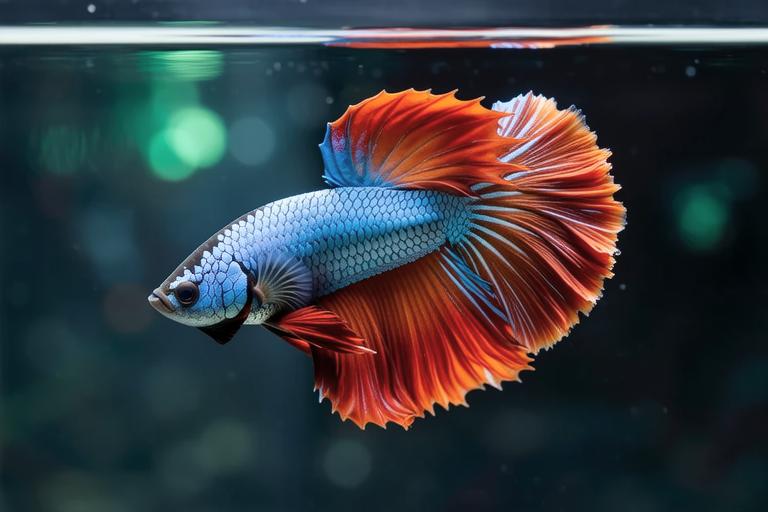
Unveiling the True Personality of Your Colorful Betta Buddy
Welcome to the vibrant world of bettas! These tiny, colorful fish are more than just pretty faces; they’re unique aquatic companions that bring joy and wonder to their owners. Known for their striking hues and flowing fins, bettas are a popular choice among aquarists for their beauty and ease of care. In this article, we’ll explore the true personality of your colorful betta buddy, delving into their diverse colors, behaviors, and the myths surrounding their temperament. We’ll also provide valuable tips for interpreting their actions and creating a stimulating habitat.
The Vibrant World of Betta Colors and Patterns
Bettas come in a wide array of colors and patterns, each reflecting their wild origins. These tropical fish, native to the rice paddies and slow-moving streams of Thailand, have adapted to their surroundings with striking coloration. The vibrant hues and intricate patterns of bettas are not just for show; they serve important functions in the wild. Bright colors can help them attract mates or intimidate rivals, while patterns can provide camouflage against predators.
From the classic royal blue to the electric neon red, the color spectrum of bettas is vast. Patterns such as marble, piebald, and butterfly further enhance their visual appeal. Each pattern has its own story, from the intricate marbling that mimics the shifting light in murky waters to the bold patches of contrasting colors in piebald bettas. Understanding the significance of these colors and patterns can deepen your appreciation for your betta’s unique appearance.
Common Behaviors and Debunking Myths About Bettas
Bettas are often misunderstood due to common misconceptions about their temperament. One of the most prevalent myths is that they are aggressive towards all other fish. While it’s true that male bettas can be territorial, especially towards other males, they can coexist peacefully with certain species of fish and invertebrates. Females, on the other hand, are generally more docile and can live together in groups known as sororities.
Another myth is that bettas require a solitary existence. In fact, bettas can thrive in community tanks with compatible tankmates. Providing a suitable environment with hiding spots and plants can help reduce stress and promote peaceful cohabitation. Observing your betta’s behavior will give you insights into their preferences and needs. For instance, if your betta spends a lot of time near the surface, it might be seeking air, indicating that the water quality could be improved.
Tips for Owners: Interpreting Betta Actions and Interactions
Understanding your betta’s actions can help you provide the best care possible. Bettas are curious creatures and often explore their surroundings by swimming around the tank. They may also display a range of behaviors, from darting movements to resting on the bottom. Watching these behaviors can give you clues about their mood and health.
If your betta is showing signs of lethargy or loss of appetite, it could indicate illness or stress. On the other hand, active swimming and exploration are usually signs of good health. Pay attention to any changes in color or fin condition, as these can also signal issues that need addressing. By familiarizing yourself with your betta’s normal behavior, you’ll be better equipped to notice when something is amiss.
Interacting with your betta can also be rewarding. Many bettas enjoy being fed by hand, and some even learn to recognize their owner. This bond can make caring for your betta a truly enjoyable experience. However, always approach your betta gently to avoid stressing them out.
Maintaining a Stimulating Habitat for Your Betta
Creating a stimulating habitat is crucial for your betta’s health and happiness. A well-planned tank can enhance your betta’s natural behaviors and keep them active and engaged. Start by ensuring that the tank is appropriately sized for your betta. While bettas can survive in smaller tanks, they thrive in larger environments where they can swim freely.
Provide plenty of hiding spots and plants to mimic their natural habitat. Floating plants like java moss and water wisteria can offer both shelter and entertainment. Decorative elements such as caves and driftwood can also add interest to the tank. Additionally, ensure that the water conditions are optimal for your betta. Regular water changes and the use of appropriate filters and heaters are essential for maintaining water quality.
Lighting is another important aspect of a betta’s habitat. Bettas appreciate gentle lighting that mimics natural daylight. Consider using LED lights with adjustable brightness settings to create a comfortable environment for your betta. Proper lighting can also help prevent algae growth, keeping your tank looking pristine.
Conclusion: Enhancing Your Betta’s Life and Health
Your betta is more than just a beautiful fish; it’s a companion that deserves care and attention. By understanding their unique personalities, behaviors, and needs, you can provide a stimulating and enriching environment that promotes their health and well-being. Whether you’re a seasoned aquarist or a first-time fish owner, there’s always something new to learn about these fascinating creatures.
Remember, a happy betta is a healthy betta. With the right setup and care, your betta can bring years of joy and companionship to your home. So, take the time to get to know your betta buddy, and watch as they reveal their true personality through their vibrant colors and engaging behaviors.