
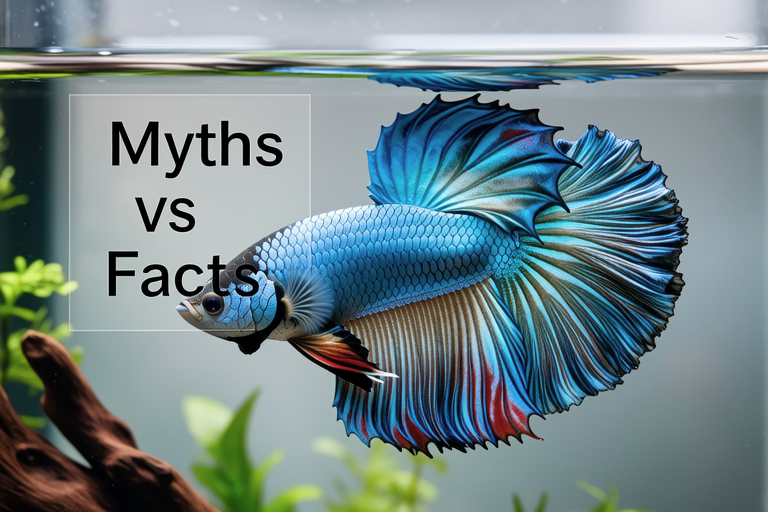
Myths vs. Facts: Debunking Common Beliefs About Betta Fish Care
Betta fish, also known as Siamese fighting fish, have gained immense popularity among aquarium enthusiasts due to their vibrant colors and graceful fins. These captivating creatures have become a favorite for both beginners and seasoned aquarists alike. However, the widespread appeal of betta fish has also led to the propagation of numerous misconceptions regarding their care. Understanding these myths and replacing them with accurate facts is crucial for ensuring the health and well-being of your betta fish. In this article, we will delve into some of the most common myths surrounding betta fish care and debunk them with factual information supported by scientific evidence and expert advice.
The Popularity and Importance of Proper Betta Fish Care
Betta fish are undeniably one of the most popular choices for home aquariums. Their striking appearance and relatively low maintenance requirements make them an attractive option for new hobbyists. However, despite their reputation as hardy and easy-to-care-for pets, bettas still require specific conditions to thrive. Providing optimal care for betta fish involves understanding their natural habitat, dietary needs, and social behaviors. Proper care not only enhances the longevity of your pet but also ensures they exhibit their full potential in terms of coloration and fin development.
Myth 1: Betta Fish Can Live in Small Habitats
Myth: Betta fish can live comfortably in small bowls or vases without a filtration system.
Fact: While betta fish are often sold in small containers, this does not mean they thrive in such environments. In the wild, bettas inhabit slow-moving streams and rice paddies with plenty of space to swim and explore. A small bowl or vase provides insufficient room for exercise and can lead to stress and health issues. The minimum recommended tank size for a betta fish is 5 gallons, which allows ample space for swimming and helps maintain better water quality. Additionally, incorporating a filtration system is essential for removing toxins and maintaining a healthy living environment.
Myth 2: Betta Fish Do Not Need a Filter
Myth: Betta fish can survive without a filter because they have labyrinth organs that allow them to breathe air from the surface.
Fact: Although betta fish possess labyrinth organs that enable them to extract oxygen from the air, this does not negate the necessity of a filtration system. Filtration helps to remove harmful waste products, excess food, and uneaten plants from the water, preventing ammonia buildup. High levels of ammonia can be toxic to betta fish, leading to respiratory distress and other health complications. Therefore, while labyrinth organs assist in breathing, a properly functioning filter is vital for overall water quality and the well-being of your betta.
Myth 3: Betta Fish Are Compatible with Any Tank Mates
Myth: Betta fish can coexist peacefully with any other species of fish.
Fact: Betta fish are known for their aggressive behavior towards other males of their species, often resulting in territorial disputes and even fights. While it is possible to introduce certain species of fish as tank mates, careful consideration must be given to compatibility. Good choices include non-aggressive, bottom-dwelling fish like ghost shrimp or snails, which do not pose a threat to bettas. It’s important to avoid adding other top-dwelling fish or those with long flowing fins, as bettas may view them as rivals or prey. Always research potential tank mates thoroughly before making additions to your aquarium.
Myth 4: Betta Fish Only Eat Flakes
Myth: Betta fish should primarily consume flake food.
Fact: While flake food can be part of a betta’s diet, it should not constitute the entirety of their nutrition. Betta fish are carnivorous by nature and require a balanced diet rich in proteins and fats. Pellets formulated specifically for bettas, live or frozen foods such as bloodworms and brine shrimp, and occasional treats like freeze-dried tubifex worms offer a more comprehensive nutritional profile. Feeding a varied diet supports optimal growth, coloration, and overall health. Overfeeding should be avoided, as it can lead to obesity and digestive problems. A general rule is to feed your betta twice daily, offering only what they can consume within two minutes.
Myth 5: Betta Fish Prefer Warm Water
Myth: Betta fish prefer warmer water temperatures and do not require heaters.
Fact: Betta fish originate from tropical regions where water temperatures typically range between 78°F and 82°F (25°C – 28°C). Maintaining these temperatures is crucial for their comfort and health. While bettas are capable of tolerating slight fluctuations, prolonged exposure to cooler or warmer extremes can weaken their immune systems, making them susceptible to diseases. Using a heater with a thermostat ensures consistent temperature control, especially if your home experiences significant seasonal changes. Regular monitoring of water parameters using test kits is also advisable to ensure optimal conditions.
Tips for Optimal Betta Fish Care
To ensure the best possible life for your betta fish, consider the following tips:
- Water Quality: Maintain pristine water conditions through regular partial water changes (about 20-30% weekly) and proper filtration. Use dechlorinated water and monitor pH levels, keeping them between 6.5 and 7.5.
- Tank Size: Provide at least a 5-gallon tank equipped with a filter and heater. Larger tanks offer more swimming space and help dilute waste products.
- Suitable Tank Mates: Choose peaceful companions like ghost shrimp, snails, or bottom-dwelling fish. Avoid aggressive or fin-nipping species.
- Diet: Offer a balanced diet consisting of high-quality pellets, occasional live or frozen foods, and limited treats. Feed twice daily, providing only what they can eat within two minutes.
- Temperature Control: Keep the water temperature stable between 78°F and 82°F using a heater and thermostat.
By addressing these common myths and implementing sound care practices, you can create a thriving environment for your betta fish. Remember that every fish is unique, so observe their behavior closely and adjust care routines accordingly. With patience and dedication, you’ll enjoy watching your betta fish flourish in their new home.