
Top 10 Most Beautiful Koi Varieties You Need to See
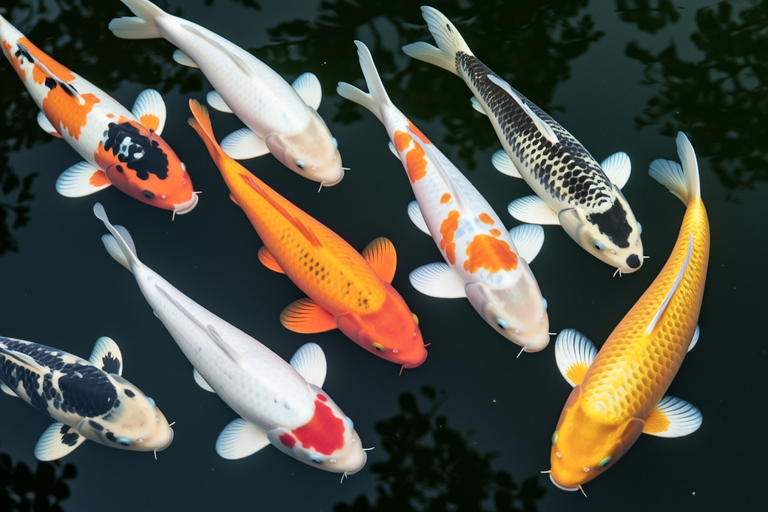
Koi fish have been admired for centuries for their vibrant colors and graceful movements. These freshwater fish, originating from Japan, are not just pets but are considered living art. Their popularity stems from their ability to add a serene touch to any garden or pond. The diversity in their colors and patterns makes each koi unique, turning them into captivating focal points for outdoor spaces.
1. Kohaku
The Kohaku is one of the most iconic and beloved koi varieties. It features a striking contrast between its bright red (Hi) and white (Shiro) scales. This koi’s body is usually white, with red patches scattered throughout. Historically, the Kohaku was among the first koi to be recognized as a formal variety in the early 19th century. Its simplicity and elegance make it a favorite among beginners and seasoned collectors alike.
2. Taisho Sanshoku
Taisho Sanshoku, also known as Sanke, combines the elegance of the Kohaku with black (Sumi) markings. This variety has a predominantly white body with red and black patches. The balance between these three colors creates a visually stunning effect. Originating in the early 20th century, this koi was named after the Taisho era in Japan. It requires careful breeding to achieve the perfect blend of colors, making it highly sought after.
3. Showa Sanshoku
Showa Sanshoku, or Showa, is another tri-colored koi that differs from the Sanke by having black as the primary base color. Red and white accents are then added on top of this dark background. Named after the Showa era, this koi is known for its bold and dramatic appearance. The challenge in breeding Showa lies in ensuring the black does not overwhelm the red and white, creating a harmonious balance.
4. Bekko
Bekko is characterized by its solid color base, either white, yellow, or red, with black spots scattered across the body. The most common type is Shiro Bekko, featuring a white base with black spots. This variety symbolizes purity and strength, reflecting the Japanese culture that values simplicity and resilience. Bekko koi are often admired for their elegant yet understated presence in ponds.
5. Utsurimono
Utsurimono, meaning ‘painted’ in Japanese, comes in three variations: Shiro Utsuri (black with white patches), Hi Utsuri (black with red patches), and Ki Utsuri (black with yellow patches). These koi have a strikingly clear distinction between their base color and patches, creating a painterly effect. They were developed in the mid-1800s and are appreciated for their bold, graphic design.
6. Goshiki
Goshiki, which means ‘five colors’, refers to the combination of black, red, white, blue, and yellow. However, the blue and yellow are actually shades of the red and white, giving the illusion of multiple colors. This koi is known for its intricate and subtle patterns. The Goshiki is a relatively new variety, developed in the late 19th century, and its complexity adds a layer of mystery and fascination.
7. Asagi
Asagi has a light blue head transitioning into a darker blue or gray body, with red or orange lateral lines along the sides. This coloration resembles the sky at dawn, making it a favorite among those who appreciate natural beauty. The Asagi is believed to have originated from wild carp, and its unique coloring sets it apart from other koi varieties.
8. Shusui
Shusui is a more modern variation of the Asagi, with a metallic sheen covering its blue scales. The term ‘Shusui’ translates to ‘autumn water,’ reflecting the calm and serene appearance of this koi. Developed in the early 20th century, this variety combines the classic beauty of the Asagi with the modern appeal of metallic scales.
9. Ogon
Ogon koi are known for their single-color scales, which can be gold, platinum, or orange. These koi have a shimmering metallic appearance, catching the light beautifully. The Ogon was introduced in the 1940s and quickly became popular due to its striking and eye-catching presence in any pond.
10. Hikari Muji
Hikari Muji translates to ‘metallic plain,’ referring to koi with a single color but with a metallic sheen. These koi can be found in various colors like gold, silver, and platinum, offering a sleek and sophisticated look. The Hikari Muji is a versatile variety that complements other koi types well in a mixed pond setting.
Maintaining the Beauty and Health of Your Koi
To keep your koi looking their best, regular maintenance of the pond is crucial. Ensure the water quality remains optimal by testing pH levels regularly and performing partial water changes when necessary. A well-balanced diet, rich in nutrients, will help maintain their vibrant colors. Additionally, providing adequate space and hiding spots within the pond can reduce stress and promote healthy growth. Regular observation for signs of illness or unusual behavior can prevent potential issues from escalating.
With proper care and attention, your koi will thrive, bringing joy and beauty to your outdoor space. Whether you’re a seasoned collector or a newcomer to the world of koi, there’s always something new to learn and admire in these fascinating fish.