
Uncover the Secrets to Keeping Your Koi Healthy and Happy
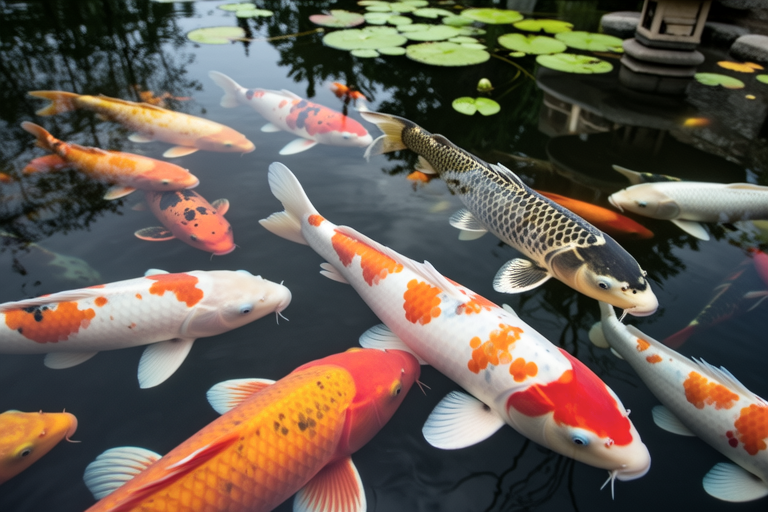
Welcome to the fascinating world of koi keeping! Koi fish, or Cyprinus carpio, are a domesticated variety of common carp. These colorful, graceful creatures have become increasingly popular among pet enthusiasts for their vibrant hues and serene presence. Koi are known for their ability to thrive in both large ponds and smaller backyard setups, making them accessible to hobbyists across various skill levels.
The Popularity of Koi Fish
Koi fish have been cherished for centuries, with their origins tracing back to ancient Japan. Over time, they’ve evolved into a symbol of beauty and tranquility, often featured in Zen gardens and serene landscapes. Their striking colors, ranging from deep blacks to shimmering reds and golds, make them a delightful addition to any aquatic setting. Whether you’re new to the hobby or an experienced koi keeper, understanding how to care for these magnificent fish is key to ensuring their long-term health and happiness.
Essential Water Quality Parameters
Maintaining optimal water conditions is paramount for the well-being of your koi. Here’s a breakdown of the most crucial factors:
Temperature
Water temperature plays a vital role in determining the health and behavior of your koi. Ideal temperatures range between 68°F (20°C) and 77°F (25°C). Temperatures outside this range can stress the fish, leading to weakened immune systems and increased susceptibility to diseases. Use a thermometer to monitor water temperature regularly, especially during seasonal changes.
pH Levels
The pH level measures the acidity or alkalinity of the water. For koi, a slightly alkaline environment with a pH between 7.2 and 8.0 is ideal. A stable pH is crucial because sudden shifts can cause stress and physiological imbalances. Test kits are readily available at pet stores and online retailers to help you maintain the correct pH balance.
Filtration Systems
A robust filtration system is essential for maintaining clean, healthy water. Filtration removes waste, excess nutrients, and harmful chemicals, promoting a balanced ecosystem. Choose a filter that suits the size of your pond and the number of koi you plan to keep. Regularly clean and maintain your filtration system to ensure it continues to function effectively.
Proper Nutrition: The Key to Growth and Health
Feeding your koi a balanced diet is critical for their growth, vitality, and overall health. Different life stages require specific nutritional needs:
Newborn Koi (Fry)
Fry need high-protein foods like infusoria or commercially available fry food to support rapid growth. Gradually introduce larger particles as they mature.
Young Koi (Juveniles)
Young koi benefit from a diet rich in protein and fats, which promote muscle development and growth. Look for high-quality pellets designed specifically for juveniles.
Adult Koi
Adult koi require a more balanced diet with a focus on carbohydrates and fiber to maintain energy levels and digestive health. High-quality adult pellets or floating sticks are excellent choices.
Common Diseases and Prevention Methods
Despite your best efforts, koi may still fall ill. Understanding common diseases and knowing how to prevent and treat them is essential:
Ichthyophthirius multifiliis (Ich)
This parasite causes white spots on the fish’s body and fins. Maintain optimal water quality, quarantine new arrivals, and use appropriate treatments if an outbreak occurs.
Fin Rot
Fin rot manifests as frayed or disintegrating fins. It’s usually caused by poor water quality or physical damage. Improve water conditions, avoid overcrowding, and treat affected areas with antibiotics.
Dropsy
Dropsy, characterized by swollen bodies, is often fatal. Prevent it by maintaining a clean, stress-free environment and providing a balanced diet.
Regular Maintenance of the Pond Environment
Regular maintenance ensures your pond remains a healthy and inviting habitat for your koi:
Cleaning
Regularly clean the pond bottom to remove debris and uneaten food. This prevents the buildup of harmful substances and keeps the water clear.
Oxygenation
Ensure your pond is well-oxygenated. Use aerators or waterfalls to increase oxygen levels, especially during warmer months when oxygen levels tend to drop.
Creating a Stimulating Habitat
To promote the happiness and longevity of your koi, consider the following tips:
Plants
Introduce aquatic plants to provide hiding spots, oxygenate the water, and absorb excess nutrients. Popular choices include water lilies and hornwort.
Shelters
Provide shelters like caves or overturned pots for koi to hide when they feel threatened. This helps reduce stress and promotes a sense of security.
Decorations
Add decorative elements like rocks and driftwood to enhance the aesthetic appeal of your pond while offering additional hiding spots.
Conclusion
By understanding the unique needs of koi fish and implementing the strategies outlined above, you can ensure your koi remain healthy, happy, and vibrant. Whether you’re a novice or seasoned koi keeper, the joy of watching these beautiful creatures thrive in their aquatic home is unparalleled. Embrace the journey of koi keeping with dedication and care, and you’ll be rewarded with years of peaceful companionship.