
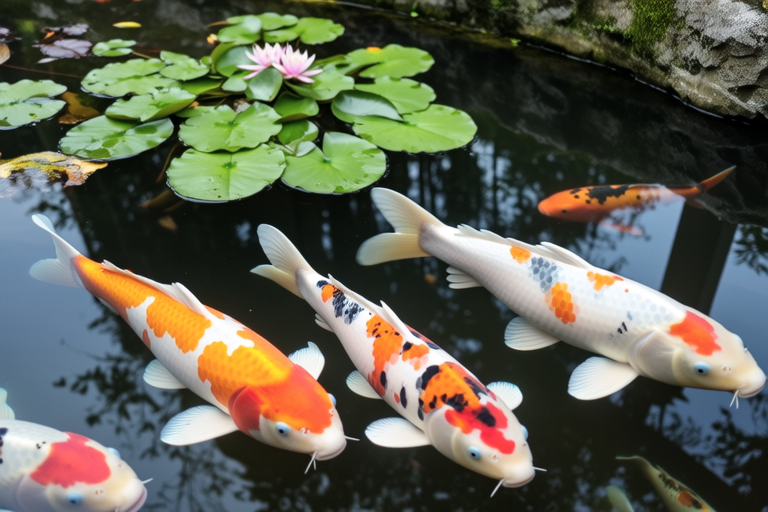
Top Secrets to Keeping Your Koi Healthy and Radiant in Any Pond
Welcome, fellow koi enthusiasts! Whether you’re a seasoned keeper or just starting your journey into the world of ornamental fish, maintaining healthy and radiant koi is a rewarding endeavor. This guide will share top secrets to ensure your koi thrive in any pond setting. From water quality maintenance to optimal feeding practices and beyond, we’ll cover everything you need to know to keep your aquatic companions happy and healthy.
Water Quality Maintenance: The Foundation of Koi Health
Water quality is paramount for the well-being of your koi. Clean, well-oxygenated water supports their immune system and overall health. Regular testing and monitoring of parameters like pH, ammonia, nitrite, and nitrate levels are crucial. A stable pH range between 7.2 and 8.0 is ideal for most koi. Use appropriate water treatments to correct imbalances, and ensure proper filtration to remove waste and debris. Adequate aeration also helps maintain oxygen levels, preventing stress and disease.
Optimal Feeding Practices: Nourishing Your Koi
Feeding your koi the right amount and type of food is key to their health. High-quality, nutrient-rich pellets designed for koi are recommended. Feed them multiple times daily, but avoid overfeeding. Uneaten food can degrade water quality. Adjust the quantity based on the weather and temperature; reduce feedings during colder months when koi are less active. Incorporate occasional treats like shelled peas, boiled spinach, or freeze-dried foods for variety and enrichment.
Suitable Pond Environment Setup: Creating a Natural Habitat
Your koi’s environment should mimic their natural habitat as closely as possible. Start by selecting a spacious pond with plenty of depth, ideally at least three feet deep to allow for thermal stratification. Incorporate various substrates like gravel, rocks, and plants to provide hiding spots and stimulation. Water lilies and other aquatic plants not only enhance aesthetics but also contribute to oxygen production and nutrient uptake. Ensure adequate shade from trees or floating plants to prevent excessive algae growth and harmful UV radiation.
Common Disease Prevention: Shielding Your Koi from Illness
Prevention is better than cure when it comes to keeping your koi disease-free. Maintain a robust biological filter to break down harmful substances, and regularly test water quality. Quarantine new arrivals before introducing them to the main pond to prevent the spread of diseases. Avoid overcrowding, which can lead to stress and weakened immunity. Monitor your koi for signs of illness such as lethargy, abnormal behavior, or physical changes. Early detection allows for timely intervention and treatment.
Regular Health Checks: Monitoring Your Koi’s Well-being
Perform routine visual inspections to assess the overall condition of your koi. Look for signs of distress, lesions, or unusual coloration. Keep a journal to track feeding habits, water conditions, and any notable events. Consult with a veterinarian specializing in aquatic animals if you notice concerning symptoms. Regular check-ups can help identify potential issues early, ensuring prompt action and recovery.
The Importance of a Balanced Ecosystem: Harmony in Your Pond
A balanced ecosystem is vital for the long-term health of your koi and the pond itself. Encourage beneficial bacteria by providing ample surface area for biofiltration. Introduce non-aggressive pond dwellers like snails or shrimp to assist in waste management. Balance plant and fish populations to avoid nutrient overload. By fostering a harmonious environment, you promote resilience against external stressors and support a thriving community.
Practical Insights: Actionable Advice for Koi Keepers
- Water Changes: Perform partial water changes weekly or bi-weekly, depending on pond size and stocking density. This dilutes accumulated toxins and replenishes essential minerals.
- Lighting: Install low-intensity lighting to discourage nighttime predators while providing enough illumination for algae control.
- Seasonal Adjustments: Modify your approach based on seasonal changes. Increase aeration during hot summer days and reduce feeding during cold winter months.
- Decorative Elements: Incorporate decorative elements like driftwood, artificial caves, or submerged ornaments to add visual interest and stimulate exploration.
Natural Pond Aesthetics: Enhancing Beauty and Functionality
Enhance the beauty of your pond while promoting functionality. Choose plants that complement the existing landscape and offer benefits to your koi. Marginal plants like iris or cattails provide shade and shelter, while submerged species like hornwort or anacharis contribute to oxygenation. Floating plants like water hyacinth or duckweed can help control algae growth by blocking sunlight. Thoughtful design creates a serene oasis that delights both you and your fish.
Conclusion: Embrace the Journey of Koi Keeping
Maintaining healthy and radiant koi in your pond requires dedication, knowledge, and attention to detail. By focusing on water quality, proper feeding, suitable environments, disease prevention, and regular health checks, you set the stage for vibrant and thriving koi. Embrace the joy of watching your aquatic companions flourish in a balanced, natural ecosystem. With these top secrets in hand, you’re well-equipped to embark on this rewarding journey of koi keeping.