
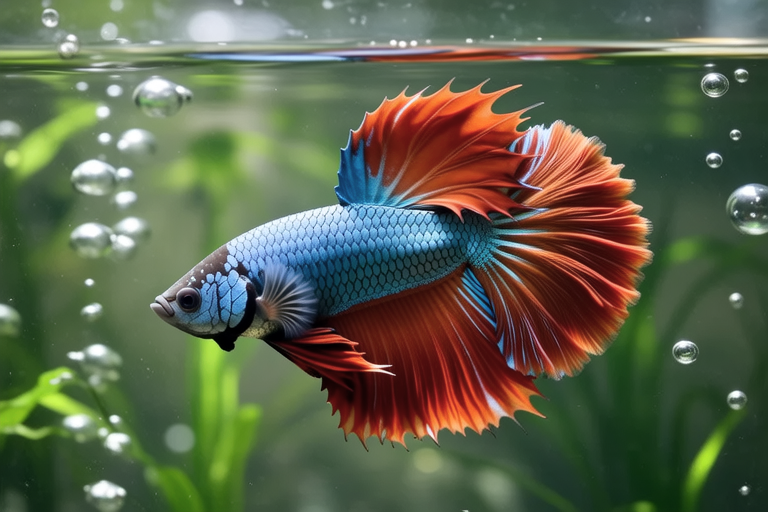
The Hidden Signs Your Betta Is Happy (And How to Make It Thrive)
There’s something magical about watching a betta fish. With their flowing fins, jewel-toned scales, and quiet grace, they seem to carry a world of emotion in their tiny bodies. For many owners, bettas aren’t just pets—they’re companions, sources of calm, and little bursts of joy in a busy day. But how do you know if your betta is truly happy? The answer lies not in loud splashing or flashy displays, but in the subtle, often overlooked signs of contentment.
Unlike mammals, bettas can’t wag their tails or nuzzle your hand—but that doesn’t mean they don’t express happiness. In fact, when cared for properly, bettas show unmistakable cues of well-being: vibrant colors, active curiosity, and peaceful presence. Understanding these signs isn’t just about spotting joy—it’s about creating a life where your betta can thrive, both physically and emotionally.
In this guide, we’ll uncover six to eight hidden indicators of a happy betta, explain what each one means, and reveal the care practices that make them possible. Whether you’re new to betta keeping or a seasoned enthusiast, you’ll walk away with actionable insights to deepen your bond with your finned friend.
—
1. Vibrant Coloration: Nature’s Palette of Health
A healthy betta doesn’t just look beautiful—it *shines*. When a betta is happy and thriving, its colors become more intense and vivid. Think deep reds, electric blues, shimmering purples—colors that seem to glow from within. This isn’t magic; it’s biology.
**Why it matters:** Bright coloration reflects good nutrition, low stress, and optimal water conditions. When bettas are stressed or unwell, their pigments dull, and their colors may fade or appear patchy. A vibrant betta is a sign that its body is functioning well, producing melanin and other pigments efficiently.
**How to support it:** Feed your betta high-quality, varied food rich in natural color enhancers like spirulina and astaxanthin. Ensure clean water with no ammonia spikes—high toxins suppress coloration. Keep lighting consistent (not too bright or too dim), and avoid sudden changes in environment. Consistency is key to maintaining that radiant glow.
—
2. Active Exploration: Curiosity in Motion
Watch your betta swim—not just back and forth, but with purpose. A happy betta explores its tank like a curious explorer mapping new territory. It might dart toward plants, investigate decorations, or linger near the surface to check out the world above the waterline.
**Why it matters:** This kind of behavior signals confidence and mental stimulation. Fish that are stressed or bored tend to stay in one spot, hiding or floating listlessly. Active exploration shows your betta feels safe enough to move freely and engage with its surroundings.
**How to support it:** Create a dynamic tank setup with varied structures—ranging from smooth rocks to driftwood and soft plant clusters. Avoid overcrowding; give space for swimming and maneuvering. Rotate decorations gently every few weeks to keep things fresh. Even small changes can spark curiosity and encourage movement.
—
3. Regular Feeding Behavior: Eating with Enthusiasm
A happy betta doesn’t just eat—it *anticipates* meals. You’ll notice it swimming to the front of the tank when you approach, tail flicking with excitement, or even “dancing” at feeding time. It eats quickly, without hesitation, and finishes its food entirely.
**Why it matters:** Appetite is a powerful barometer of health. A fish that refuses food may be stressed, ill, or unhappy with its environment. Conversely, consistent, eager eating suggests comfort, trust, and strong vitality.
**How to support it:** Stick to a daily feeding schedule—offer only what your betta can consume in 2–3 minutes, once or twice a day. Overfeeding leads to bloating and poor water quality. Use high-protein pellets, freeze-dried bloodworms, or brine shrimp as occasional treats. Avoid relying solely on flake food, which lacks nutrients and can lead to picky eating habits.
—
4. Flared Fins During Calm Moments: Confidence in Display
You’ve probably seen a male betta flare his gills and spread his fins—usually when challenged by another male or startled. But here’s a lesser-known clue: a betta may also flare during calm, relaxed moments, especially when you’re nearby.
**Why it matters:** While flaring is often associated with aggression, a calm, controlled flare—especially when accompanied by relaxed body posture—indicates self-assurance. Your betta is showing off not to intimidate, but to express pride in its home and sense of security.
**How to support it:** Avoid overstimulating your betta with sudden movements or loud noises. Let it get used to your presence gradually. If your betta flares at you, don’t react with fear or retreat—stay calm and still. Over time, it will learn that you’re not a threat, and flaring becomes a sign of trust rather than defense.
—
5. Peaceful Resting Posture: Resting Like a Contented King
Bettas aren’t always moving. In fact, a well-rested betta spends a lot of time in a calm, horizontal position—floating gently near the bottom or hovering mid-tank with slow, deliberate breaths.
**Why it matters:** This resting posture indicates deep relaxation. A stressed betta may dart erratically, gasp at the surface, or hide constantly. A peacefully resting betta has no reason to fear—its environment is stable, and its body feels safe.
**How to support it:** Provide a quiet, undisturbed area for rest. Avoid placing the tank near loud appliances, TVs, or high-traffic zones. Use a gentle filter with minimal current so your betta doesn’t have to fight against constant flow. Dim lighting during evening hours helps mimic natural day/night cycles and supports healthy sleep patterns.
—
6. Responsive Movements to Stimuli: Trust in Action
A happy betta reacts to its environment with interest—not fear. When you tap the glass gently, it may swim over to investigate. When you speak softly near the tank, it might turn toward your voice. These responses aren’t random—they’re signs of engagement and trust.
**Why it matters:** Fish are far more aware than we often give them credit for. A responsive betta recognizes patterns in its environment and feels secure enough to interact. This kind of behavior strengthens the emotional bond between you and your pet.
**How to support it:** Engage with your betta gently and consistently. Tap the glass lightly (not hard) to signal interaction. Talk to it during feeding or cleaning—your voice becomes familiar and comforting. Never chase or grab your fish. Over time, it learns that your presence brings food and safety, not danger.
—
7. Healthy Growth and Fin Regeneration
A happy betta grows steadily and maintains strong, intact fins. If your fish has healed from a minor injury (like a torn fin tip), you’ll see new tissue growing smoothly and evenly. No fraying, no cloudiness—just healthy regrowth.
**Why it matters:** Rapid healing requires energy, proper nutrition, and low-stress conditions. When your betta is under stress, its immune system weakens, and injuries take longer to heal—or may even worsen into infections.
**How to support it:** Maintain pristine water quality with regular partial water changes (20–30% weekly). Use a reliable test kit to monitor ammonia, nitrite, and pH levels. Add aquarium-safe supplements like betta-specific vitamins if needed. Avoid sharp decor that could snag delicate fins.
—
8. Social Harmony (If Tankmates Are Present)
While bettas are famously territorial, some individuals can coexist peacefully with compatible tankmates—like certain species of ghost shrimp, snails, or small schooling fish (e.g., ember tetras, corydoras).
**Why it matters:** A betta that interacts calmly with others—without chasing, biting, or flaring aggressively—shows emotional stability and confidence. It’s not driven by fear or dominance, but by a balanced temperament.
**How to support it:** Introduce tankmates slowly and carefully. Always add them after your betta has settled into the tank. Choose peaceful, non-aggressive species that won’t compete for space or food. Monitor closely for any signs of stress. Not all bettas are social—some prefer solitude. Respect their nature.
—
Creating an Optimal Habitat: The Foundation of Happiness
Now that you understand the signs, let’s build the environment where they flourish.
Water Quality: The Lifeblood of Well-Being
Clean water isn’t just important—it’s essential. Bettas thrive in:
– **Temperature:** 76–82°F (24–28°C) — use a reliable heater with a thermostat.
– **pH Level:** 6.5–7.5 — neutral to slightly acidic is ideal.
– **Ammonia & Nitrite:** 0 ppm — even trace amounts are harmful.
– **Nitrate:** Below 20 ppm — perform regular water changes.
Test your water weekly using a liquid test kit. Never add untreated tap water directly—always condition it first with a dechlorinator.
Tank Size and Setup: More Space Means More Joy
While bettas can survive in small bowls, they truly thrive in tanks of **at least 5 gallons**. Smaller spaces lead to rapid toxin buildup, temperature swings, and limited activity.
Ideal features include:
– **Hiding spots:** Driftwood, caves, or ceramic shelters help your betta feel secure.
– **Live plants:** Anubias, java fern, and hornwort offer shelter, oxygenate water, and reduce algae.
– **Soft substrate:** Fine gravel or sand mimics natural riverbeds and supports plant roots.
– **Gentle filtration:** Use a sponge filter or low-flow power filter to avoid strong currents.
Diet: Fuel for Body and Spirit
Feed a balanced diet:
– **High-quality pellets** as a staple (look for real fish meal or shrimp as primary ingredients).
– **Variety:** Supplement with frozen or freeze-dried bloodworms, brine shrimp, or daphnia 2–3 times per week.
– **Portion control:** Only what fits in your betta’s mouth, eaten in 2–3 minutes.
– **Fasting days:** Consider skipping one day per week to aid digestion and prevent bloating.
Avoid cheap, filler-heavy foods that crumble easily and pollute the water.
Enrichment and Interaction: Beyond the Tank
Your betta isn’t just a decoration—it’s a living creature with needs and preferences. Enrichment includes:
– **Gentle interaction:** Speak softly, tap lightly, or simply watch your fish. Build a routine.
– **Environmental variety:** Rearrange decor monthly to stimulate curiosity.
– **Tank companionship (if compatible):** Only introduce peaceful, non-threatening species after careful research.
Never handle your betta—its slime coat protects against disease, and handling causes immense stress.
Consistency and Stress Reduction: The Key to Long-Term Happiness
Fish are sensitive to routine. Changes in light cycle, feeding schedule, or water parameters can trigger anxiety. To minimize stress:
– Perform water changes on the same day each week.
– Keep lights on for 8–10 hours daily with a timer.
– Avoid sudden noise or movement near the tank.
– Keep tank placement stable—don’t move it frequently.
A predictable, calm environment fosters long-term trust and contentment.
—
Final Thoughts: Building a Lifelong Bond
Your betta isn’t just a fish—it’s a silent companion with feelings, rhythms, and a unique personality. By learning to read the subtle signs of happiness—vibrant colors, curious swimming, confident flaring, and peaceful rest—you’re not just observing a pet. You’re building a relationship based on care, respect, and understanding.
When you provide the right environment, consistent routines, and gentle interaction, you’re giving your betta not just survival—but joy. And in return, you receive a quiet, calming presence that enriches your own life.
Every time you see your betta glide through the water with purpose, or pause mid-swim to glance your way, remember: you’ve created a sanctuary. You’ve earned a moment of connection, shared across species and silence.
So keep learning, keep caring, and keep watching. Because in those quiet, shimmering moments, you’ll find the true magic of betta ownership—not in grand gestures, but in the everyday peace of a fish who knows it’s loved.
Here’s to happy bettas—and the joyful humans who love them.