
Betta Behavior: Understanding Your Finned Friend’s Actions
Welcome to the fascinating world of betta fish! Known for their vibrant colors and flowing fins, bettas are popular pets that can bring joy and beauty to any home. These small, yet captivating creatures have unique behaviors that can tell you a lot about their mood, health, and environment. By understanding these behaviors, you can provide better care for your finned friend and ensure they live a happy, healthy life.
Introduction to Betta Fish
Betta fish, also known as Siamese fighting fish, are native to the rice paddies of Thailand, Myanmar, and parts of Vietnam and Cambodia. They thrive in warm, shallow waters with lots of vegetation. In the wild, bettas are solitary and territorial, often found darting among aquatic plants or resting at the water’s surface to breathe air through their labyrinth organ. This adaptation allows them to survive in low-oxygen environments. As pets, bettas can display a wide range of behaviors that can be both entertaining and informative.
Common Behaviors and Their Meanings
Flaring
One of the most recognizable behaviors of bettas is flaring. When a betta flares, it spreads its gill covers (opercula) to make itself appear larger. This action is usually a sign of aggression or territoriality, often directed towards other bettas or even reflections in mirrors or tank decorations. Flaring can also occur when a betta feels threatened or stressed. However, some bettas may flare when excited or during breeding displays.
If your betta frequently flares, consider checking the tank environment for potential stressors. Ensure there are enough hiding spots and that the tank isn’t overcrowded. If you have multiple bettas, keep them separate to prevent aggressive encounters.
Hiding
Another common behavior is hiding. Bettas may retreat to dark, secluded areas within the tank, such as caves, plants, or behind decorations. Hiding can be a natural part of their behavior, especially if they feel threatened or stressed. It can also indicate that the tank is too brightly lit or that there are too many disturbances, such as frequent handling or loud noises.
To encourage your betta to come out more, try providing a variety of hiding spots and ensuring the tank is well-planted. Gradually introduce your betta to new environments to help them acclimate without feeling overwhelmed. Additionally, avoid sudden movements near the tank and minimize handling to reduce stress.
Vibrant Colors
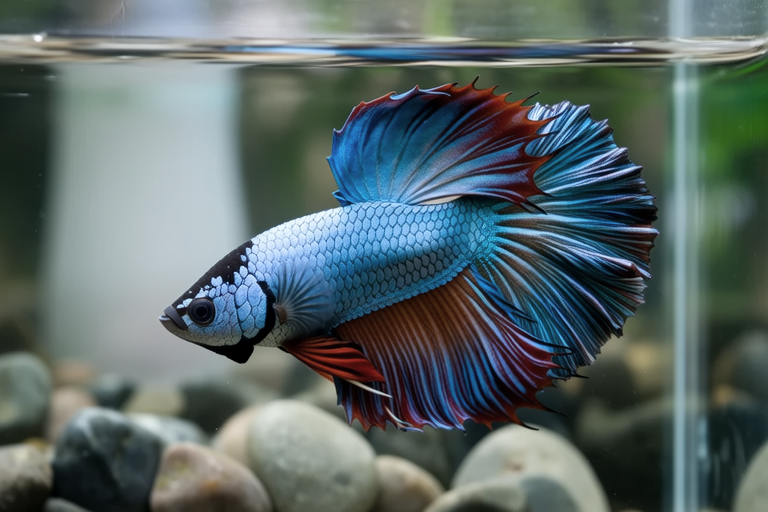
Bettas are famous for their striking colors, which can change based on their mood and health. Healthy bettas typically display bright, vibrant colors, while those that are stressed or sick may show duller hues. Color changes can also occur during breeding displays, where males become particularly colorful to attract females.
If you notice a sudden change in your betta’s color, it could be a sign of stress or illness. Monitor their behavior and consult a veterinarian if you suspect health issues. Maintaining optimal water conditions and a balanced diet can help your betta maintain their vibrant colors.
Tips for Interpreting Betta Behavior
Interpreting your betta’s behavior requires careful observation and attention to detail. Here are some tips to help you understand your betta better:
- Observe regularly: Spend time watching your betta to get a sense of their normal behavior. This will help you identify any unusual or concerning actions.
- Check the environment: Consider the tank’s temperature, lighting, and decorations when interpreting your betta’s behavior. Adjustments might be necessary to create a more comfortable environment.
- Look for patterns: Pay attention to recurring behaviors and their triggers. For example, does your betta hide more after feeding? Does flaring increase when the tank is cleaned?
- Consult resources: Don’t hesitate to seek advice from experts or online communities. They can offer valuable insights and help you troubleshoot specific issues.
Maintaining a Healthy Habitat
A well-maintained habitat is crucial for encouraging positive behaviors in your betta. Here are some tips to ensure your betta’s environment is optimal:
Water Quality
Regularly check the water parameters, including temperature, pH, and ammonia levels. Betta fish prefer slightly acidic water with a pH between 6.8 and 7.2 and temperatures around 78-80°F (25.5-26.7°C). Use a water conditioner to remove harmful chemicals and perform regular water changes to keep the tank clean.
Feeding
Provide a balanced diet consisting of high-quality pellets or flakes supplemented with occasional treats like frozen bloodworms or brine shrimp. Feed your betta small portions two to three times daily, removing any uneaten food after five minutes to prevent water pollution.
Decorations and Plants
Incorporate plenty of live or artificial plants to provide hiding spots and mimic a natural environment. Ensure the tank has enough open space for swimming and that decorations don’t overcrowd the area. Avoid sharp or abrasive objects that could damage your betta’s delicate fins.
Social Interaction
While bettas are generally solitary, they can enjoy gentle interactions with their owners. Speak softly and move slowly near the tank to avoid startling your betta. You can also offer treats or gently stroke the glass to build a bond. However, avoid direct physical contact, as this can stress your betta.
Conclusion
Understanding your betta’s behavior is key to providing excellent care and fostering a strong bond. By observing their actions and adjusting their environment accordingly, you can ensure your betta lives a happy, healthy life. Remember, each betta is unique, so take the time to learn about your individual pet’s preferences and needs. With proper care and attention, your finned friend will thrive and bring joy to your home for years to come.