
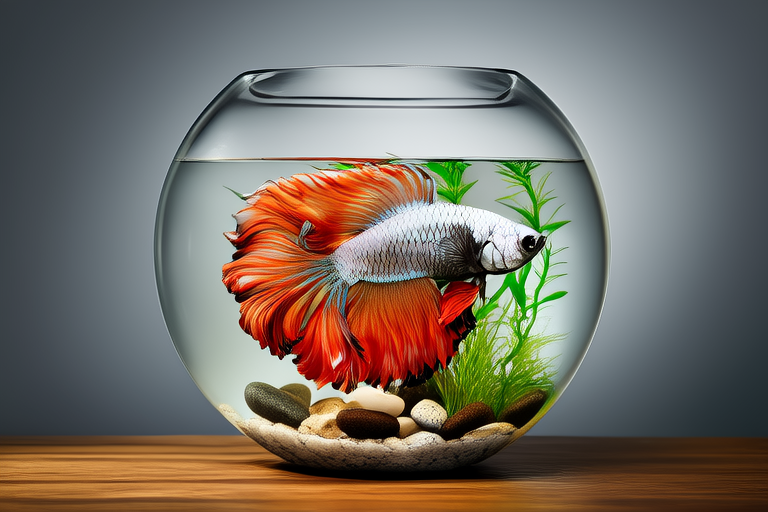
Setting Up the Perfect Home for Your Betta
Welcome to the wonderful world of betta fish! These vibrant, colorful creatures are not only beautiful but also relatively easy to care for, making them an excellent choice for both novice and experienced aquarists. However, setting up the perfect home for your betta requires careful planning and attention to detail. This comprehensive guide will walk you through all the essential aspects of creating a thriving environment for your betta, ensuring they live long, healthy lives.
Choosing the Right Tank Size
The first step in setting up your betta’s home is selecting the appropriate tank size. Many people mistakenly believe that bettas can thrive in small containers, such as bowls or vases, but this is far from true. Betta fish need space to swim freely and explore their surroundings. A minimum tank size of 2.5 gallons is recommended, though larger tanks (up to 10 gallons) are even better. The larger the tank, the easier it will be to maintain optimal water conditions.
When choosing a tank, opt for one with a length of at least 12 inches. This allows your betta to swim back and forth without feeling cramped. Additionally, consider the shape of the tank; taller tanks with a wider base provide more surface area for oxygen exchange, which is beneficial for bettas.
Filtration Systems
A good filtration system is crucial for maintaining clean, healthy water in your betta’s tank. Betta fish are sensitive to poor water quality, so investing in a reliable filter is essential. Look for filters specifically designed for small tanks or those labeled as ‘internal’ or ‘powerhead’ filters.
There are several types of filtration systems available:
- Under-gravel Filters: These filters pull water through the substrate, trapping debris and promoting biological filtration. They’re ideal for tanks with gravel substrates.
- Internal Power Filters: These filters hang on the back of the tank and provide mechanical, chemical, and biological filtration. They’re versatile and effective for various tank sizes.
- Canister Filters: While these are typically used in larger tanks, some models are suitable for smaller setups. They offer robust filtration and are great for heavily planted tanks.
Regardless of the type of filter you choose, ensure it doesn’t create too strong a current, as bettas prefer calm waters. If necessary, place decorations or plants near the filter outlet to break the flow of water.
Water Parameters
Maintaining the correct water parameters is vital for your betta’s health and well-being. Here’s what you need to know about temperature, pH, hardness, and other factors:
Temperature
Betta fish thrive in warm waters between 76°F and 82°F (24°C and 28°C). Use a reliable aquarium heater to keep the water at a consistent temperature. It’s important to note that bettas are tropical fish and cannot tolerate sudden changes in temperature. Therefore, always acclimate your betta slowly when introducing it to its new tank.
pH Levels
The ideal pH range for bettas is between 6.5 and 7.5. Slightly acidic water is preferred, but many bettas can adapt to neutral conditions as well. Test the water regularly using a pH test kit and make adjustments if necessary. Avoid drastic pH swings by performing partial water changes and monitoring the tank’s overall health.
Hardness
Water hardness refers to the concentration of minerals, particularly calcium and magnesium, in the water. Betta fish prefer soft to moderately hard water with a general hardness (GH) of around 5-12 dGH. You can adjust the hardness by adding driftwood or using reverse osmosis (RO) water.
Proper Decoration and Hiding Spots
Bettas love to have plenty of places to hide and explore within their tank. Providing a variety of decorations not only enhances the aesthetic appeal of your setup but also promotes mental stimulation for your betta. Some popular options include:
- Plants: Live or artificial plants are excellent additions to any betta tank. They provide hiding spots, reduce stress, and help maintain water quality. Popular choices include java moss, anubias, and water wisteria.
- Driftwood: Driftwood adds natural beauty and helps soften water hardness. It also serves as a source of biofilm, which can be a nutritious snack for your betta.
- Caves and Castles: Decorative caves, castles, and tunnels offer safe hiding spots for your betta. Choose pieces that fit comfortably within your tank while leaving enough open swimming space.
- Decorative Rocks: Smooth, rounded rocks can add visual interest to your tank. Ensure they are non-toxic and won’t alter the water chemistry.
Remember to arrange decorations strategically to create different zones within the tank. This encourages exploration and provides areas where your betta can rest or play.
Suitable Substrate
The substrate, or bottom layer of the tank, plays an important role in both aesthetics and water quality. Bettas don’t require substrate, but adding one can enhance the appearance of your setup. Here are some substrate options:
- Gravel: Small, smooth gravel is a popular choice for betta tanks. It provides a natural look and is easy to clean. Choose a size that won’t get stuck in your betta’s gills.
- Sand: Fine sand is another option, offering a soft, natural feel. It’s particularly suitable for planted tanks.
- Carpeting Substrates: Carpet-like substrates, such as ADA Aqua Soil, are excellent for planted tanks. They promote root growth and provide nutrients for aquatic plants.
Regardless of the substrate you choose, ensure it’s clean and free of sharp edges. Rinse it thoroughly before adding it to the tank. Avoid using saltwater substrates or those containing chemicals that could harm your betta.
Necessary Equipment
In addition to the tank, filtration system, and substrate, there are several pieces of equipment that are essential for maintaining a healthy betta environment:
Heaters
A reliable heater is crucial for keeping the water at the optimal temperature. Choose a heater that’s appropriate for your tank size and set it to the desired temperature range. Place the heater in a corner of the tank, away from direct contact with decorations or plants.
Lighting
Proper lighting not only enhances the beauty of your tank but also supports plant growth and simulates day-night cycles. LED lights are energy-efficient and come in various color temperatures. Aim for approximately 8-10 hours of light per day, mimicking natural daylight patterns.
Test Kits and Maintenance Tools
Invest in a complete water testing kit to monitor key parameters such as pH, ammonia, nitrite, and nitrate levels. Regular testing ensures that your betta’s water remains safe and healthy. Additionally, having a siphon tube and algae scraper on hand makes routine maintenance easier.
Feeding Guidelines
Bettas are carnivorous and require a balanced diet rich in protein. In the wild, they feed on insects and insect larvae. As pets, they can thrive on high-quality commercial betta pellets, flakes, and frozen or freeze-dried foods. Here are some feeding tips:
- Feed your betta two to three times daily, offering only what they can consume within 2-3 minutes.
- Vary their diet by incorporating occasional treats like bloodworms, brine shrimp, or mosquito larvae.
- Avoid overfeeding, as excess food can pollute the water and lead to health issues.
Always store food in a cool, dry place and check the expiration date to ensure freshness.
Maintaining Water Quality
Regular water changes and maintenance are critical for keeping your betta’s tank clean and healthy. Here’s how to maintain optimal water quality:
- Perform weekly water changes, replacing about 20-30% of the tank’s water. Use a siphon to remove debris from the substrate during water changes.
- Monitor water parameters closely, especially ammonia, nitrite, and nitrate levels. Address any issues promptly to prevent stress or illness.
- Keep the filter media clean but avoid rinsing it under tap water, which can strip beneficial bacteria. Instead, rinse it gently in the old tank water.
By following these steps, you’ll create a stable, healthy environment for your betta, minimizing stress and promoting longevity.
Common Mistakes to Avoid
Even with the best intentions, new betta owners may make certain mistakes. Here are some common pitfalls to watch out for:
- Overcrowding: Always leave ample space for your betta to swim and explore. Avoid keeping multiple fish in a small tank unless you’re experienced with community setups.
- Incorrect Temperature: Fluctuations in temperature can stress your betta. Invest in a reliable heater and thermometer to maintain a steady temperature.
- Poor Water Quality: Neglecting regular water changes and maintenance can lead to ammonia spikes and other harmful conditions. Stick to a consistent cleaning schedule.
- Improper Feeding: Overfeeding or providing an unbalanced diet can cause health problems. Feed your betta only what they can eat in a few minutes and vary their diet.
By being mindful of these potential errors, you’ll significantly increase the chances of your betta living a long, happy life.
Conclusion
Setting up the perfect home for your betta involves careful consideration of tank size, filtration, water parameters, decorations, and necessary equipment. By following this step-by-step guide, you’ll create an environment that not only meets your betta’s physical needs but also enhances their overall well-being. Remember, a healthy, happy betta is a beautiful, vibrant fish that will bring joy to your home for years to come.