
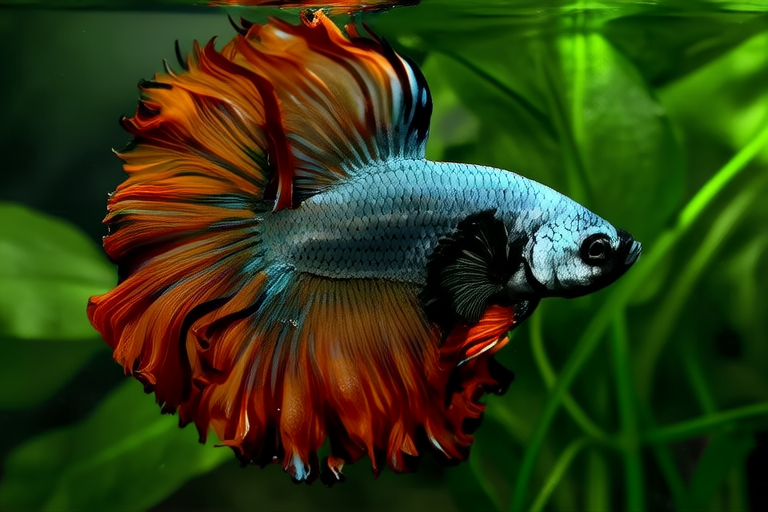
Tank Talk: Expert Tips for Keeping Your Betta Stress-Free
Welcome to Tank Talk, where we dive into the world of aquariums and fish care. Today, we’re focusing on one of the most beloved and misunderstood fish: the Betta. Often referred to as the Siamese fighting fish, Bettas are known for their vibrant colors and flowing fins. However, these beautiful creatures require specific care to thrive. This article will provide you with expert tips to ensure your Betta remains stress-free, leading to a longer and healthier life.
Optimal Tank Setup
The first step in keeping your Betta happy is creating the right environment. Bettas are tropical fish that prefer warm waters, so it’s essential to maintain a temperature between 76°F and 82°F (24°C to 28°C). A heater is necessary to keep the water at the correct temperature, especially if your home tends to get cold. Ensure the heater is placed away from the filter intake to prevent it from being sucked in.
Water quality is equally important. A well-filtered tank helps maintain clean water, which is crucial for Betta health. While Bettas can survive in smaller spaces, providing them with more room allows for better water circulation and reduces stress. A minimum tank size of 5 gallons is recommended. Decorations like caves, plants, and driftwood not only add aesthetic appeal but also offer hiding spots, making your Betta feel secure.
When setting up your tank, avoid placing it in direct sunlight or near drafty windows. Direct sunlight can cause algae growth, while drafts can lead to temperature fluctuations. These conditions can be stressful for your Betta and potentially harmful. Instead, place your tank in a stable, quiet location.
Water Parameters Crucial for Betta Health
Maintaining the right water parameters is vital for Betta health. The pH level should ideally be between 6.5 and 7.5, with a hardness range of 5 to 19 dGH. Regular water testing ensures these levels remain within the acceptable range. If your tap water is too hard or alkaline, consider using a water conditioner or adding driftwood to soften and acidify the water.
Ammonia and nitrite levels should always be zero, while nitrate levels should be kept below 20 ppm. Ammonia and nitrite are toxic to fish, even in small amounts, and can lead to serious health issues. Establishing a proper nitrogen cycle is key to maintaining these parameters. This process involves beneficial bacteria converting harmful ammonia into less toxic substances.
To help establish this cycle, it’s recommended to introduce live bacteria into your tank. Products containing nitrifying bacteria can accelerate the cycling process, ensuring a safer environment for your Betta sooner.
Appropriate Tank Mates to Avoid Stress
Bettas are often sold in stores as community fish, but they are actually quite territorial. Male Bettas, in particular, can become aggressive towards other males. Female Bettas may coexist peacefully in groups, but they still require ample space to swim freely. It’s best to house each Betta in its own tank unless you’re sure they can coexist harmoniously.
If you’re looking for compatible tank mates, opt for non-aggressive species that won’t compete for food or territory. Some safe choices include small, peaceful fish like Endler’s Livebearers, Harlequin Rasboras, and Ember Tetras. These fish tend to stay in the middle or upper regions of the tank, leaving the bottom areas for your Betta to explore.
Avoid housing Bettas with larger, more aggressive fish such as Oscars, Cichlids, or Goldfish. These species can easily outcompete Bettas for food and may damage their delicate fins. Additionally, refrain from introducing snails or shrimp to the tank, as they might nibble on your Betta’s fins or compete for food.
Suitable Diet for Stress Reduction
A balanced diet is crucial for reducing stress and promoting overall health in your Betta. Bettas are carnivorous by nature and require a protein-rich diet. High-quality Betta pellets or flakes formulated specifically for carnivorous fish are excellent options. These foods contain the necessary nutrients, including proteins, vitamins, and minerals, to support your Betta’s immune system and fin health.
In addition to pellets, you can offer your Betta frozen or freeze-dried foods like bloodworms, brine shrimp, and daphnia. These treats provide variety and additional nutrients, making meals more enjoyable. However, limit the amount of treats to avoid overfeeding, which can lead to digestive issues and water pollution.
Feed your Betta small portions twice daily, ensuring they consume all food within two minutes. Overfeeding can lead to uneaten food sinking to the bottom of the tank, causing water quality issues and potential health problems for your Betta.
Signs of Stress in Bettas
Recognizing the signs of stress in your Betta is essential for timely intervention. Common indicators include rapid breathing, loss of appetite, dull or faded coloration, frayed or torn fins, and unusual swimming behavior, such as flipping at the surface or staying near the bottom of the tank.
If you notice any of these signs, investigate potential causes and address them promptly. Improving water quality, adjusting tank conditions, or reevaluating tank mates may alleviate stress. In severe cases, consult a veterinarian specializing in fish care for professional advice.
Common Mistakes to Avoid
Even experienced aquarists can make mistakes when caring for Bettas. Here are some common pitfalls to avoid:
- Overcrowding: Providing enough space for your Betta to swim and explore is crucial. Overcrowded tanks can lead to stress and health issues.
- Incorrect Water Conditions: Failing to maintain proper water parameters can harm your Betta. Regularly test the water and adjust as needed.
- Inadequate Filtration: Insufficient filtration can result in poor water quality, increasing the risk of disease. Choose a filter that provides adequate flow without causing excessive current.
- Poor Feeding Practices: Overfeeding or feeding inappropriate foods can lead to obesity and digestive issues. Stick to a balanced diet and feed small portions twice daily.
Importance of a Peaceful Environment and Regular Maintenance
Creating a peaceful environment and maintaining regular upkeep are fundamental to Betta wellbeing. Regular water changes, typically 25% weekly, help remove toxins and maintain water quality. During water changes, gently net out debris and replace the water with conditioned, dechlorinated water.
Additionally, observe your Betta’s behavior regularly. A healthy Betta should be active, colorful, and responsive to stimuli. Any sudden changes in behavior or appearance warrant immediate attention. By fostering a calm and nurturing environment, you ensure your Betta thrives and enjoys a long, stress-free life.
Remember, every fish has unique needs, and what works for one Betta may not work for another. Pay close attention to your Betta’s behavior and preferences to tailor their care accordingly. With the right setup, diet, and maintenance, your Betta will lead a happy, healthy life.