
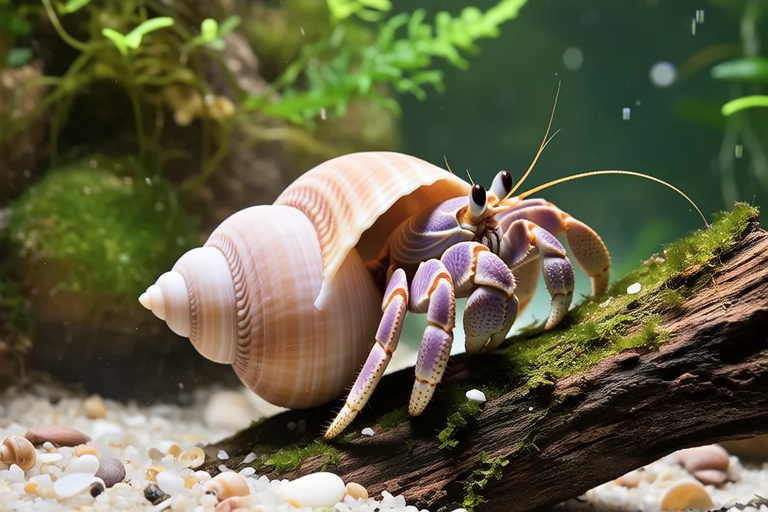
From Shell to Shore: The Complete Guide to Hermit Crab Care
Selecting Appropriate Shells
Choosing the right shell is one of the most critical aspects of hermit crab care. Hermit crabs need a shell that provides them with protection and comfort. When selecting a shell, consider its size, shape, and weight.
- Size: The shell should be slightly larger than the crab’s current body size to allow room for growth.
- Shape: A variety of shapes ensures that each crab can find a shell that best fits its body.
- Weight: Lightweight shells are preferable as they are easier for the crab to carry around.
Additionally, ensure the shell has a smooth interior and exterior to prevent injury to the crab. You can also provide a mix of different shells, including those with holes or decorations, to stimulate their natural behavior of exploring and choosing.
Setting Up the Ideal Habitat
Creating a suitable environment for your hermit crabs is essential for their well-being. Start by selecting an appropriately sized tank, ideally at least 10 gallons for a small group. The substrate should be a mixture of sand and coconut fiber, providing a comfortable and safe place for burrowing.
In addition to the substrate, include various items such as rocks, driftwood, and plants to create hiding spots and climbing opportunities. Maintain humidity levels between 70% and 80% using a misting system or a humidifier. Ensure the temperature stays within the range of 75 to 85 degrees Fahrenheit.
Provide fresh water and saltwater dishes. Fresh water is necessary for drinking, while saltwater is used for bathing. Change the water regularly to maintain cleanliness and prevent bacterial growth.
Dietary Needs
Hermit crabs are omnivorous, meaning they eat both plant and animal matter. Their diet should consist of a variety of foods to ensure proper nutrition. Offer a mix of commercial hermit crab food, fruits, vegetables, and occasional protein sources like insects or fish flakes.
Commercial hermit crab food is available in both dry and wet forms and is formulated to meet their nutritional requirements. Fruits and vegetables can include apples, bananas, carrots, and leafy greens. Protein sources can be offered sparingly, but it is essential to ensure they are fresh and appropriately sized.
Avoid feeding them processed human foods or sugary treats, as these can be harmful. Always provide clean, fresh water in shallow dishes to ensure they stay hydrated.
Health Care Basics
Maintaining the health of your hermit crabs requires regular monitoring and care. Common health issues include molting problems, shell disease, and parasitic infections. Signs of illness may include lethargy, loss of appetite, or unusual behavior.
During the molting process, which occurs periodically as the crab grows, they become vulnerable and may hide for extended periods. Ensure they have access to calcium-rich foods and provide a shallow dish of calcium-enriched water to aid in the formation of new exoskeletons.
To prevent shell disease, avoid overcrowding and ensure the habitat remains clean and free from bacteria. Regularly check for signs of parasites and consult a veterinarian if you suspect an infestation.
Tips for Handling and Interacting with Hermit Crabs
Handling hermit crabs gently and with respect is crucial for their well-being. Use soft, gentle movements when picking them up, and always support their body to prevent injury. Avoid squeezing or pinching them, as this can cause stress and harm.
Interacting with hermit crabs can be rewarding, but it should be done in moderation. Spend time observing their natural behaviors and providing enrichment through toys and activities. Encourage exploration and play by offering new objects and rearranging the habitat occasionally.
Remember that hermit crabs are nocturnal creatures, so they are more active during the evening hours. Respect their sleep patterns and limit handling during daylight hours.
Conclusion
Caring for hermit crabs is a rewarding experience that requires attention to detail and dedication. By selecting appropriate shells, setting up an ideal habitat, providing a balanced diet, and ensuring regular health checks, you can create a thriving environment for your hermit crabs. With proper care, your hermit crabs will live happily and healthily, bringing joy and companionship to your home.