
The Enigmatic Hotot Rabbit: A Comprehensive Guide
Hotot rabbits, with their striking appearance and gentle nature, have captured the hearts of many rabbit enthusiasts. These small to medium-sized rabbits are known for their unique physical traits and friendly demeanor, making them both fascinating pets and captivating subjects for breeders and fanciers alike. This guide delves into the history, behavior, care, and lesser-known aspects of Hotot rabbits, offering an in-depth exploration of their mysterious charm.
Origins and Historical Background
The Hotot rabbit breed originated in France in the early 20th century. The breed was developed by Eugenie Bernhard, who sought to create a rabbit with a distinctive white body and black rings around its eyes. Her efforts culminated in the creation of the Hotot rabbit, named after the town of Hotot-en-Auge in Normandy, where she lived. Eugenie’s dedication to breeding these rabbits resulted in a breed that is now recognized for its elegance and beauty.
Physical Characteristics
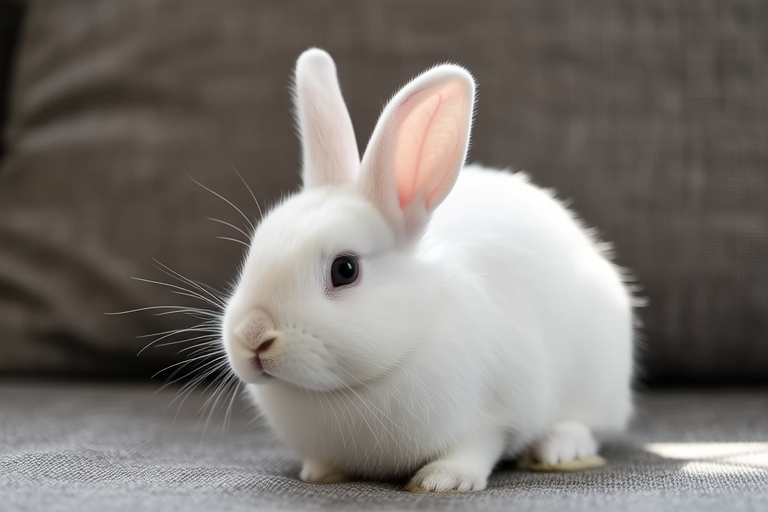
Hotot rabbits are renowned for their striking appearance. They possess a pure white coat with a single line of black fur running along the center of the forehead, creating the illusion of eyeliner or mascara. This distinctive marking gives the Hotot its unique look and contributes to its enigmatic charm. Their eyes are typically black, adding to the striking contrast between their white fur and dark eyes. The breed’s compact size, weighing between 4 and 6 pounds, makes them suitable for both show and pet purposes.
Temperament and Behavior
Hotot rabbits are generally calm and docile, making them excellent companions for families and individuals alike. They are known for their gentle nature and are often described as being more cat-like than other rabbit breeds. This means they can be trained to use a litter box, which is a valuable trait for indoor pets. Hotots are also social animals and enjoy interacting with their human companions, often seeking out attention and affection.
When it comes to interaction within different environments, Hotot rabbits adapt well to both indoor and outdoor settings. However, due to their small size and delicate nature, they are best suited for indoor living. They can thrive in spacious enclosures or rabbit-proofed areas of the home, where they have ample space to explore and exercise. Outdoor housing should be secure and protected from predators, as well as provide adequate shelter from extreme weather conditions.
Dietary Needs
Like all rabbits, Hotot rabbits require a balanced diet to maintain optimal health. Their diet should consist primarily of hay, which should make up the majority of their daily intake. Fresh vegetables and fruits can be offered in moderation as treats, but it’s important to introduce new foods gradually to avoid digestive issues. Pellets formulated specifically for rabbits can be provided in limited quantities to ensure they receive essential nutrients. Clean, fresh water should always be available to keep your Hotot hydrated.
Health Considerations
Despite their generally healthy disposition, Hotot rabbits are prone to certain health issues that potential owners should be aware of. One common concern is dental problems, which can occur if their diet lacks sufficient fiber. Regular dental check-ups and providing plenty of hay can help prevent this issue. Additionally, like all rabbits, Hotots are susceptible to gastrointestinal stasis, a condition where food moves too slowly through the digestive tract. Signs of this condition include decreased appetite, lethargy, and changes in stool consistency. Prompt veterinary care is crucial if you suspect your rabbit is experiencing gastrointestinal issues.
Care Tips for Potential Owners
If you’re considering adding a Hotot rabbit to your family, there are several important factors to consider. First and foremost, proper housing is essential. Provide your rabbit with a spacious enclosure that allows for movement and exploration. The enclosure should be lined with soft bedding, such as straw or shredded paper, to ensure comfort and prevent injury. Regular cleaning of the enclosure is necessary to maintain hygiene and prevent the buildup of bacteria.
Handling your Hotot rabbit gently and frequently will help build trust and strengthen your bond. It’s important to handle them properly to avoid causing stress or injury. Always support their hindquarters when lifting them to prevent strain on their delicate spine. Socialization is also key, especially for rabbits kept indoors. Allow them supervised time outside their enclosure to explore and interact with their environment.
Lesser-Known Aspects of Hotot Rabbits
Beyond their physical appearance and friendly demeanor, Hotot rabbits possess several lesser-known traits that add to their mystique. For instance, their unique eye markings are not just for aesthetics; they serve a functional purpose. The black fur surrounding their eyes helps protect them from sun damage and glare, much like sunglasses would for humans. This adaptation has allowed the breed to thrive in various environments, including sunny regions.
Another interesting aspect of Hotot rabbits is their intelligence. While often underestimated, these rabbits are quite clever and can learn simple commands and tricks. Many owners report that their Hotots respond positively to training sessions, demonstrating problem-solving skills and a willingness to engage with their surroundings. This intelligence, combined with their gentle nature, makes them ideal candidates for enrichment activities designed to stimulate both mind and body.
In addition to their cognitive abilities, Hotot rabbits have a strong sense of curiosity. They are natural explorers and enjoy investigating their environment. Providing them with toys and objects to manipulate can help satisfy this curiosity and prevent boredom. Puzzle feeders, tunnels, and chew toys are all great options for keeping your Hotot entertained and mentally stimulated.
Conclusion
The Hotot rabbit is a breed rich in history, charm, and mystery. From their origins in France to their distinctive physical appearance and gentle temperament, these rabbits offer a unique and rewarding experience for those who choose to share their lives with them. Understanding their dietary needs, health considerations, and environmental preferences is key to providing them with a happy and healthy life. By uncovering the lesser-known aspects of Hotot rabbits, we gain a deeper appreciation for their intelligence, curiosity, and adaptability. Whether you’re a seasoned breeder or a first-time owner, the Hotot rabbit promises to be a delightful and enchanting companion.