
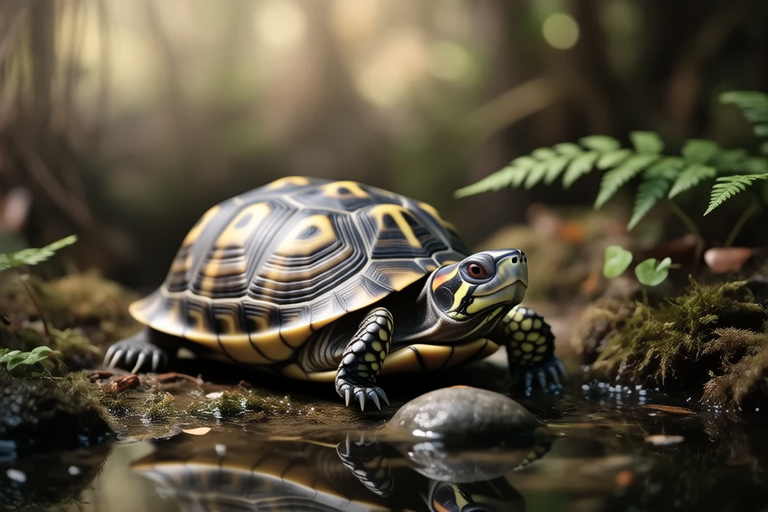
Setting Up the Perfect Habitat for Three-Striped Box Turtles
The three-striped box turtle (cuora trifasciata) is a fascinating reptile native to parts of Asia. These turtles are popular pets due to their unique appearance and relatively manageable care requirements. However, providing them with an optimal living environment is crucial for their health and well-being. This comprehensive guide will walk you through setting up the perfect habitat for your three-striped box turtle, covering essential elements like substrate, temperature and humidity, lighting, water area, diet, hiding spots, and environmental enrichment.
Choosing the Right Enclosure
The first step in creating a suitable habitat for your three-striped box turtle is selecting an appropriate enclosure. A glass aquarium or plastic storage container can be used, but it’s important to choose one that meets specific size and ventilation requirements.
- Size: The enclosure should be large enough to allow your turtle ample space to move around comfortably. A minimum size of 4 feet by 2 feet is recommended for a single adult turtle.
- Ventilation: Proper ventilation is vital to prevent stagnant air, which can lead to respiratory issues. Ensure there are adequate vents or screen tops to promote airflow.
Substrate Selection
Selecting the right substrate is crucial for maintaining a clean and healthy environment for your three-striped box turtle. There are several options available, each with its own advantages and disadvantages.
- Cypress Mulch: Cypress mulch is highly absorbent and helps retain moisture, making it ideal for maintaining humidity levels. It also mimics the natural forest floor environment these turtles inhabit.
- Newspaper or Paper Towels: These are inexpensive and easy to replace, making them great for temporary setups or when dealing with sick turtles.
- Eco-Substrate: Eco-substrates are specially formulated bedding materials designed for reptiles. They provide good drainage and support proper humidity levels.
Avoid using gravel, sand, or wood shavings as substrates, as they can pose ingestion risks and make cleaning difficult.
Temperature and Humidity Requirements
Three-striped box turtles require specific temperature and humidity conditions to thrive. Maintaining these parameters is essential for their overall health and longevity.
- Basking Spot: Provide a basking spot with temperatures ranging from 85°F to 90°F (29°C to 32°C). This can be achieved using a heat lamp or ceramic heater placed above one end of the enclosure.
- Background Temperature: The background temperature should range between 75°F and 85°F (24°C to 29°C). This can be maintained using under-tank heating pads or heat mats.
- Humidity: Maintain humidity levels between 60% and 80%. This can be accomplished by misting the enclosure daily, using a humidifier, or placing a water dish large enough for the turtle to soak in.
Lighting Needs
Proper lighting is essential for the overall health of your three-striped box turtle. UVB lighting is particularly important as it aids in calcium absorption and vitamin D synthesis.
- UVB Lighting: Use a high-quality UVB light that covers at least 50% of the enclosure. Replace the bulb every six months to ensure it remains effective.
- Full-Spectrum Lighting: In addition to UVB lighting, provide full-spectrum lighting to simulate natural daylight cycles. This helps regulate the turtle’s circadian rhythms and encourages normal behavior.
- Photoperiod: Maintain a photoperiod of 12-14 hours of light per day, adjusting according to seasonal changes.
Water Area Specifications
Providing a water area is essential for your three-striped box turtle’s health and well-being. The water area should be large enough for the turtle to fully submerge itself.
- Size: The water area should be at least twice the length of the turtle. For an adult turtle, this typically means a water dish or pond that is approximately 2 feet long.
- Depth: Ensure the water is deep enough for the turtle to swim and soak, but shallow enough for it to easily exit. A depth of 4-6 inches is usually sufficient.
- Purity: Keep the water clean and free from contaminants. Regularly change the water and consider using a small filter if necessary.
Diet Considerations
Feeding your three-striped box turtle a balanced diet is crucial for its growth and development. Their diet should consist of a variety of foods to ensure they receive all necessary nutrients.
- Vegetables: Offer leafy greens such as collard greens, mustard greens, and dandelion leaves. Avoid iceberg lettuce and other low-nutrient vegetables.
- Fruits: Provide occasional fruits like berries, melons, and papayas. However, fruits should not make up more than 10% of their diet.
- Insects: Feed insects such as crickets, mealworms, and waxworms. Dust these insects with a calcium supplement before offering them to your turtle.
- Commercial Diets: Consider using commercial turtle diets as a supplement to their natural diet. These can be convenient and nutritionally balanced.
Feed your turtle daily or every other day, depending on its age and activity level. Always remove any uneaten food to prevent contamination.
Hiding Spots and Environmental Enrichment
To ensure your three-striped box turtle feels secure and stimulated, it’s important to provide hiding spots and environmental enrichment within its enclosure.
- Hiding Spots: Place multiple hiding spots throughout the enclosure, such as half logs, caves, or artificial plants. This allows the turtle to retreat and feel safe when needed.
- Environmental Enrichment: Incorporate various textures and surfaces within the enclosure, such as rocks, branches, and different types of plants. This provides mental stimulation and encourages natural behaviors.
- Toys: Consider adding toys or puzzles specifically designed for reptiles to further enhance their environment.
Maintenance and Cleaning
Regular maintenance and cleaning are essential to keep your three-striped box turtle’s habitat clean and disease-free.
- Spot Cleaning: Remove any waste or uneaten food immediately to prevent contamination.
- Deep Cleaning: Perform a thorough cleaning of the enclosure every two weeks. This includes removing all substrate, disinfecting the enclosure, and replacing the substrate.
- Disinfectants: Use pet-safe disinfectants and rinse thoroughly after application to ensure no residues remain.
Care Advice and Common Issues
Providing proper care and addressing common issues can help ensure the health and happiness of your three-striped box turtle.
- Handling: Handle your turtle gently and infrequently. Excessive handling can cause stress.
- Shedding: Monitor your turtle during shedding periods to ensure it completes the process without complications.
- Illness: Watch for signs of illness, such as lethargy, loss of appetite, or unusual behavior. Consult a veterinarian specializing in reptiles if you suspect your turtle is ill.
By following these guidelines and providing a well-maintained habitat, you can ensure your three-striped box turtle leads a happy and healthy life.