
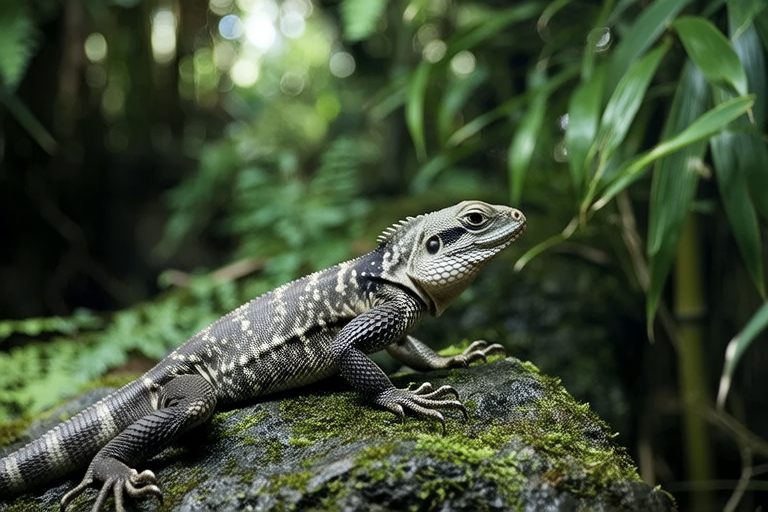
The Unique World of Splendid Japalures: Caring Tips for Owners
When it comes to exotic pets, the japalure stands out as a fascinating and charming choice for enthusiasts. Originating from the lush forests of Southeast Asia, these small, captivating creatures have been captivating hearts since they were first introduced to the global pet market. Japalures, also known as the Javanese flying squirrel, are a delightful mix of cuteness and curiosity. Their unique blend of traits makes them not only a joy to observe but also a rewarding companion for those willing to understand and meet their specific needs.
Understanding Japalures: Origins and Characteristics
Japalures are native to the tropical regions of Indonesia, specifically the island of Java, where they thrive in the dense rainforests. These nocturnal animals are well-adapted to their environment, using their prehensile tails and strong limbs to navigate through trees with ease. They are primarily omnivorous, feeding on fruits, seeds, insects, and sometimes even small vertebrates.
One of the most striking features of japalures is their soft, plush fur, which can vary in color from brown to gray, often with a touch of red or white. Their large, expressive eyes and bushy tails add to their endearing appearance. Japalures are generally gentle and docile, though they can be somewhat skittish, especially around new people or in unfamiliar environments. They are known for their curious nature and enjoy exploring their surroundings.
Housing Your Japalure
Providing the right living space is crucial for your japalure’s well-being. A spacious cage that allows ample room for climbing and jumping is ideal. The cage should be at least 3 feet wide, 2 feet deep, and 4 feet high to accommodate their active lifestyle. The bars should be close enough to prevent escape but far enough apart to allow for comfortable movement.
For bedding, use soft, absorbent materials such as shredded paper or recycled newspaper bedding. Avoid cedar or pine shavings as they can irritate your japalure’s respiratory system. Environmental enrichment is key to keeping your japalure mentally stimulated. Provide toys like wooden chew blocks, ropes, and branches for climbing. A hammock or a cozy nest box can offer a safe retreat for napping during the day.
Dietary Needs
Japalures are omnivores, and their diet should reflect this diversity. A balanced diet includes a variety of fruits, vegetables, nuts, and seeds. Fresh fruits like apples, bananas, and berries are excellent choices, while vegetables such as carrots, peas, and leafy greens provide necessary nutrients. Nuts and seeds should be offered sparingly as they are high in fat. Pellets designed for flying squirrels or other small mammals can serve as a base for their diet.
It’s important to establish a consistent feeding schedule. Feed your japalure in the evening, just before they become active, typically between dusk and dawn. Fresh water should always be available, preferably in a sipper bottle designed for small animals.
Health Care and Preventive Measures
Like any pet, japalures require regular health check-ups. Common ailments include dental issues, skin infections, and respiratory problems. Regular visits to a veterinarian who specializes in exotic animals can help catch and treat these conditions early.
To prevent health issues, maintain a clean living environment and monitor your japalure’s behavior for signs of illness. Signs of distress might include lethargy, loss of appetite, or unusual behavior. If you notice any of these symptoms, consult a vet immediately.
Socializing and Training
Building a bond with your japalure requires patience and consistency. Socialization should begin gently, allowing the animal to become comfortable in its new home. Handle your japalure regularly, using slow, gentle movements. Positive reinforcement, such as offering treats and praise, can encourage desirable behaviors.
Training can include teaching your japalure to come when called or to climb onto your hand. Always ensure the training sessions are short and fun to keep the experience enjoyable for both you and your pet.
The Commitment of Ownership
Owning a japalure is a significant commitment. These animals have specific needs that must be met consistently. Their nocturnal nature means they will be most active when you are likely to be sleeping. Be prepared to adjust your routine to accommodate their schedule.
Responsible ownership involves providing proper care, attention, and enrichment. Consider the long-term commitment involved and ensure you have the resources and time to dedicate to your japalure. By doing so, you’ll not only ensure their happiness but also enrich your life with the companionship of these splendid creatures.