
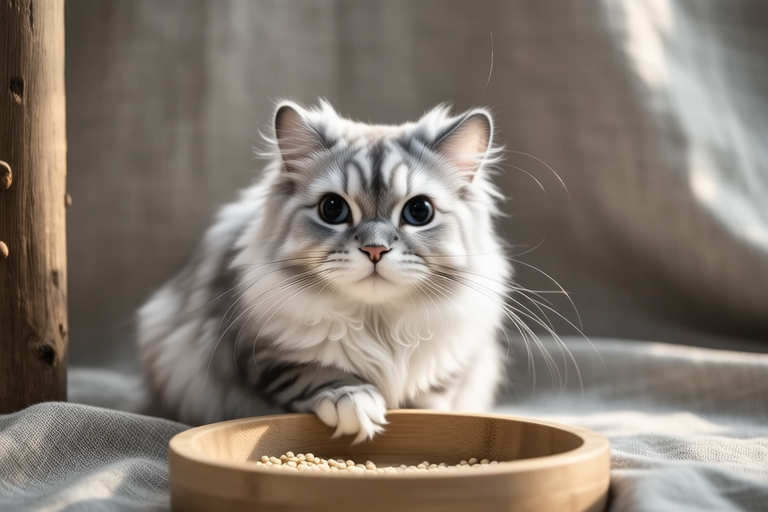
Chinchilla Chronicles: Unveiling the Life of These Unique Pets
Welcome to the world of chinchillas, those captivating and charming creatures that have captured the hearts of many pet enthusiasts. Originating from the high altitudes of the Andes Mountains, these small rodents have found their way into homes around the globe. In this article, we will delve into the fascinating life of chinchillas, exploring their unique characteristics, dietary needs, habitat requirements, and common behaviors. We will also provide valuable tips for prospective and current owners on handling, grooming, and maintaining the health of these exquisite pets.
The Origins and Physical Characteristics of Chinchillas
Chinchillas hail from the rugged landscapes of the Andes Mountains in South America, where they have adapted to harsh conditions and cold climates. Their natural habitat includes rocky outcrops and cliffs, which provide them with ample hiding spots and protection from predators. These small mammals have become increasingly popular as pets due to their endearing appearance and gentle nature.
One of the most striking features of chinchillas is their incredibly dense fur, which consists of up to 60 hairs per follicle. This luxurious coat serves as insulation against the cold mountain temperatures and has made chinchillas a target for the fur trade historically. Despite this, they remain highly sought after as pets for their beauty and companionship.
In addition to their plush fur, chinchillas possess large, rounded ears that help regulate their body temperature. Their eyes are dark and expressive, giving them a curious and alert appearance. With a body length of approximately 9 to 14 inches and a weight ranging from 1.5 to 2 pounds, chinchillas are relatively compact but robust animals. Their agility and acrobatic abilities make them entertaining to watch, as they can leap several times their own height.
Dietary Needs and Habitat Requirements
Maintaining a balanced diet is crucial for the well-being of your chinchilla. A staple diet of hay, such as Timothy or orchard grass, provides essential fiber and promotes healthy digestion. Supplementing with pellets specifically formulated for chinchillas ensures they receive necessary nutrients. Fresh water should always be available, and occasional treats like raisins or dried rose hips can be offered sparingly.
Creating a suitable habitat for your chinchilla involves providing a spacious cage with multiple levels for climbing and jumping. The cage should be lined with a safe substrate, such as paper-based bedding, to prevent respiratory issues. Chinchillas require dust baths for grooming, so a shallow container filled with commercial chinchilla dust should be provided regularly. It’s important to note that chinchillas should never be bathed with water, as it can damage their delicate fur.
Common Behaviors and Interactions
Chinchillas are social animals that thrive on interaction and mental stimulation. They are generally quiet, with soft vocalizations like chirps and squeaks. However, they can be quite active, especially during dusk and dawn when they are most energetic. Providing toys and structures within the cage encourages exercise and prevents boredom, which can lead to destructive behavior.
Handling your chinchilla requires patience and gentleness. Approach them calmly and allow them to become comfortable with your presence before attempting to pick them up. Once they are accustomed to being handled, you can gently scoop them up with one hand supporting their bottom and the other around their torso. It’s important to avoid squeezing or restraining them too tightly, as this can cause stress.
Grooming and Health Maintenance
Grooming your chinchilla is essential for maintaining their health and appearance. Regular dust baths help remove dirt and excess oils from their fur, promoting cleanliness and preventing skin irritations. It’s recommended to offer a dust bath for about 15 minutes, two to three times per week. After the bath, ensure the dust is removed from their fur to prevent caking.
Monitoring your chinchilla’s health involves regular check-ups for signs of illness, such as lethargy, loss of appetite, or changes in stool consistency. Keeping their living environment clean and free from drafts is vital for preventing respiratory infections. Dental health is also critical, as chinchillas’ teeth grow continuously throughout their lives. Providing appropriate chew toys helps wear down their teeth and prevents overgrowth.
The Joys and Challenges of Owning a Chinchilla
Owning a chinchilla can be a rewarding experience, offering companionship and joy through their playful antics and gentle demeanor. However, it comes with significant responsibilities that must be taken seriously. Ensuring proper care, nutrition, and enrichment for your chinchilla is paramount to their happiness and longevity.
One of the unique challenges of owning a chinchilla is their sensitivity to heat. Temperatures above 80 degrees Fahrenheit can be dangerous for them, leading to heatstroke. Therefore, it’s crucial to maintain a cool environment, especially during warmer months. Additionally, chinchillas are prone to certain health issues, such as bumblefoot, a condition caused by improper flooring or obesity. Regular veterinary check-ups and attentive care can help prevent and manage these problems.
For those willing to commit to the care and attention required, chinchillas can provide years of companionship and entertainment. Their unique personalities and interactions make them beloved pets for many. By understanding their needs and providing a nurturing environment, you can ensure a fulfilling and enriching relationship with your chinchilla.
In conclusion, chinchillas are fascinating and rewarding pets that offer a unique blend of charm and challenge. From their origins in the Andes to their distinctive physical traits, dietary preferences, and behavioral patterns, chinchillas are truly one-of-a-kind. By educating yourself on their specific needs and dedicating time and effort to their care, you can create a loving home for these delightful creatures. Whether you’re a seasoned pet owner or considering adding a chinchilla to your family, understanding and embracing the responsibilities involved will lead to a fulfilling and joyful experience.