
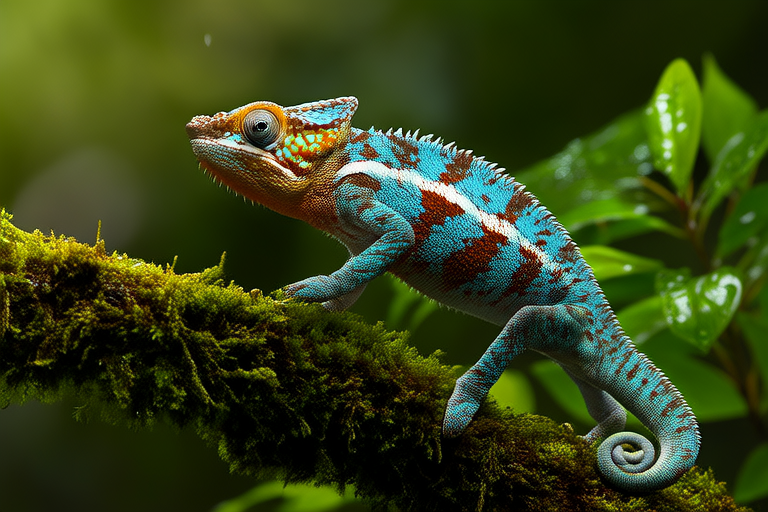
How to Ensure Your Chameleon Stays Vibrant with These Colorful Tips
Chameleons are fascinating creatures known for their unique ability to change colors. Their vibrant hues not only make them visually appealing but also serve important purposes such as communication, temperature regulation, and camouflage. As a responsible pet owner, it’s crucial to understand the specific needs of your chameleon to ensure its overall health and vibrant coloration. This article will provide you with essential tips on proper diet, lighting requirements, humidity levels, and habitat setup, helping you maintain a healthy and colorful chameleon.
Proper Diet: The Key to Health and Color
A well-balanced diet is fundamental to your chameleon’s health and vibrant coloration. Chameleons are insectivores, meaning they primarily eat insects. A varied diet ensures that your chameleon receives all the necessary nutrients for optimal health.
Insects as the Main Food Source
Insects should form the bulk of your chameleon’s diet. Crickets, dubia roaches, and mealworms are commonly fed to chameleons. It’s important to gut-load these insects before feeding them to your chameleon. Gut-loading involves feeding the insects a nutritious diet rich in vitamins and minerals, ensuring that your chameleon receives maximum nutrition when consuming them.
Variety in the Diet
While crickets are a staple food, it’s essential to introduce variety into your chameleon’s diet. Other suitable insects include waxworms, silkworms, butterworms, and superworms. Each insect provides different nutrients, contributing to a balanced diet. Additionally, you can offer occasional treats like fruits or vegetables, but these should be limited to avoid digestive issues.
Dusting and Supplementing
To ensure your chameleon gets all the necessary vitamins and minerals, dust the insects with calcium powder and a multivitamin supplement. Dusting should be done at least twice a week for calcium and once a week for multivitamins. Over-supplementation can lead to health problems, so follow the recommended guidelines carefully.
Lighting Requirements: Essential for Health and Color
Proper lighting is crucial for your chameleon’s health and vibrant coloration. Chameleons require specific types of light to meet their physiological needs, including UVB radiation for vitamin D synthesis and heat for thermoregulation.
UVB Lighting
UVB lighting is vital for chameleons as it helps them synthesize vitamin D3, which is necessary for calcium absorption. Without adequate UVB exposure, chameleons may develop metabolic bone disease, leading to weakened bones and poor health. Choose a high-quality UVB bulb designed specifically for reptiles and replace it every six months to ensure optimal performance.
Heat Lamps
Chameleons are ectothermic, meaning they rely on external sources of heat to regulate their body temperature. A heat lamp is essential to provide a basking spot within the enclosure. The ideal temperature range for most chameleons is between 85°F (29°C) and 95°F (35°C). Position the heat lamp so that there is a temperature gradient within the enclosure, allowing your chameleon to move to cooler areas if needed.
Full-Spectrum Lighting
Full-spectrum lighting mimics natural sunlight and provides additional benefits beyond UVB and heat. It enhances your chameleon’s mood, encourages natural behaviors, and promotes vibrant coloration. Consider using a combination of UVB bulbs and full-spectrum lights to create a more realistic environment for your chameleon.
Humidity Levels: Maintaining Optimal Moisture
Chameleons require a specific level of humidity to stay healthy and vibrant. Proper humidity levels help maintain hydration, support respiratory health, and prevent dehydration-related stress.
Recommended Humidity Range
The ideal humidity range for most chameleons is between 40% and 60%. However, this can vary depending on the species and environmental conditions. Monitor the humidity levels regularly using a hygrometer, and adjust as necessary. Inadequate humidity can lead to respiratory infections, while excessive humidity can cause mold growth and skin issues.
Misting and Water Sources
Misting the enclosure daily helps maintain the appropriate humidity levels and provides a source of fresh water for your chameleon. Chameleons prefer to drink from droplets on leaves rather than standing water. Use a misting system or spray bottle to create a fine mist, ensuring that leaves and branches are thoroughly wet. Additionally, provide a shallow water dish for drinking and soaking.
Habitat Setup: Creating a Natural Environment
A properly set up habitat is essential for your chameleon’s health and vibrant coloration. Mimicking their natural environment provides the necessary space, climbing opportunities, and hiding spots, promoting overall well-being.
Housing Size and Type
Chameleons need ample space to move around and climb. A minimum cage size of 24 inches wide by 24 inches deep by 48 inches tall is recommended for most adult chameleons. Vertical cages are preferred as they allow for more climbing space. Avoid overcrowding the enclosure with decorations, leaving enough room for movement.
Climbing Structures and Plants
Provide a variety of sturdy branches and vines for your chameleon to climb and perch. These structures should be arranged at different heights and angles to encourage natural movement. Live plants, such as ficus, pothos, and hibiscus, not only add aesthetic value but also provide hiding spots and increase humidity. Ensure that any plants used are safe for chameleons and free from pesticides.
Hiding Spots and Security
Chameleons are solitary animals that appreciate privacy. Offer multiple hiding spots within the enclosure, such as leafy plants, caves, or artificial hides. These spaces provide security and reduce stress, promoting a calm and healthy environment for your chameleon.
Regular Monitoring and Veterinary Care
Regular monitoring and veterinary care are essential to ensure your chameleon’s continued health and vibrant coloration. Early detection of potential health issues allows for prompt treatment and prevents further complications.
Observation and Behavior
Pay close attention to your chameleon’s behavior and appearance. A healthy chameleon is active, alert, and displays vibrant colors. Changes in appetite, activity levels, or coloration may indicate underlying health issues. Regularly check for signs of illness, such as lethargy, loss of appetite, or abnormal discharge.
Veterinary Check-Ups
Schedule regular veterinary check-ups with a reptile specialist. They can perform thorough examinations, recommend necessary vaccinations, and address any concerns you may have. Preventive care helps maintain your chameleon’s health and ensures a long, vibrant life.
Conclusion
By following these colorful tips, you can ensure your chameleon stays healthy and vibrant. Proper diet, lighting, humidity, and habitat setup contribute to your chameleon’s overall well-being and enhance its natural beauty. With the right care and attention, your chameleon will thrive in its new home, bringing joy and fascination to your life.