
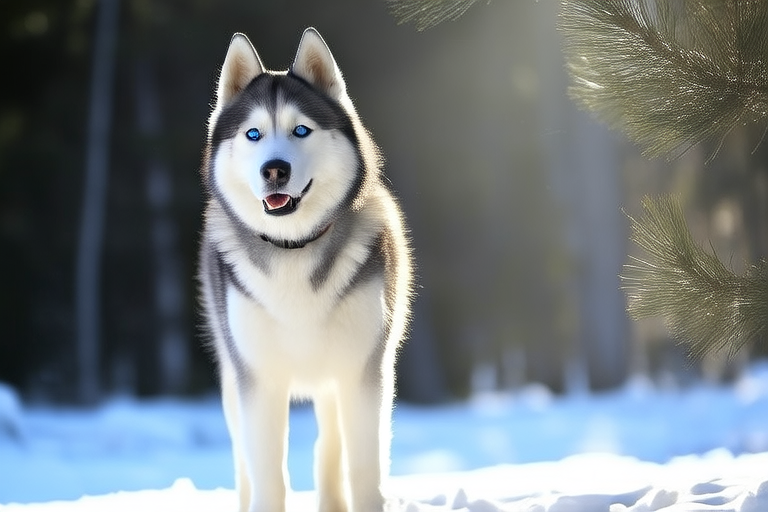
The Truth Behind Siberian Husky Behavior: Separating Myths from Facts
Siberian Huskies have long captured the hearts of dog lovers with their striking appearance and spirited demeanor. However, behind the allure lies a breed that has been shrouded in myths and misconceptions. This article aims to shed light on the true nature of Siberian Huskies by separating fact from fiction, offering valuable insights for both prospective and current owners.
Debunking Common Myths
Loyalty Levels: One of the most pervasive myths about Siberian Huskies is their supposed lack of loyalty. While they may not exhibit the same overt affection as some other breeds, this does not mean they are disloyal. Huskies have a strong sense of independence and can be aloof, which often leads people to mistake their reserved behavior for a lack of attachment. In reality, they form deep bonds with their families but express it differently.
Suitability as Guard Dogs: Another misconception is that Siberian Huskies make excellent guard dogs. Their friendly and outgoing nature means they are more likely to welcome strangers than protect them. While they can be alert and vocal, their natural inclination is to interact rather than intimidate, making them less effective as guards compared to breeds specifically bred for protection.
Factual Aspects of Siberian Husky Behavior
Exercise Needs: Huskies were originally bred for endurance and strength, traits that require significant physical activity. They need regular, vigorous exercise to stay healthy and happy. A daily run or extended walk is essential, and they thrive in environments where they can engage in activities like hiking or mushing. Without sufficient exercise, they can become restless and destructive.
Social Interaction Preferences: Despite their independent streak, Siberian Huskies are highly social animals. They enjoy the company of both humans and other dogs. Early socialization is crucial to ensure they grow up to be well-adjusted pets. They excel in group settings and are known for their ability to get along with other dogs, especially when raised together. However, due to their pack mentality, they may challenge authority if not properly trained.
Training Challenges: Training a Siberian Husky requires patience and consistency. They are intelligent and can be stubborn, often testing boundaries to see what they can get away with. Positive reinforcement techniques work best, rewarding good behavior with treats and praise. Consistent training from a young age helps establish clear expectations and ensures they understand their role within the family.
History, Temperament, and Health Considerations
History: Originating in Northeastern Asia, Siberian Huskies were bred by the Chukchi people for sledding and herding. Their resilience and endurance made them invaluable companions in harsh Arctic conditions. Over time, they became popular in North America, particularly after participating in sled races. Today, they are cherished as family pets and working dogs.
Temperament: Huskies are known for their playful and energetic personalities. They are curious and adventurous, always eager to explore their surroundings. Their intelligence makes them quick learners, but also prone to boredom if not mentally stimulated. Regular play sessions and interactive toys help keep them engaged and prevent behavioral issues.
Health Considerations: Like all breeds, Siberian Huskies come with certain health concerns. Common issues include hip dysplasia, eye problems such as cataracts and progressive retinal atrophy, and skin allergies. Regular veterinary check-ups and a balanced diet are essential to maintaining their overall health. Additionally, their thick coats require regular grooming to prevent matting and skin irritation.
Practical Advice for Potential Owners
Considering a Siberian Husky? Here’s what you need to know:
- Exercise: Be prepared to provide ample opportunities for physical activity. Daily walks and runs are non-negotiable, and they benefit from having space to roam and play.
- Training: Invest time in training from an early age. Establish clear rules and routines, and use positive reinforcement methods to encourage good behavior.
- Companionship: Huskies are social creatures and thrive in environments where they receive plenty of attention and interaction. If you work long hours or spend much time away from home, consider getting another dog for companionship.
- Grooming: Their double coat requires regular brushing to prevent tangles and keep shedding under control. Bathing should be done infrequently to avoid stripping natural oils from their skin.
- Veterinary Care: Schedule routine check-ups with your veterinarian and discuss any specific health concerns related to the breed. Early intervention can prevent many health issues from becoming serious problems.
By understanding the unique characteristics of Siberian Huskies, you can better meet their needs and ensure a fulfilling relationship with these remarkable dogs. Whether you’re a first-time owner or an experienced handler, taking the time to learn about their behavior and requirements will enrich your experience and help your husky live a long, happy life.